



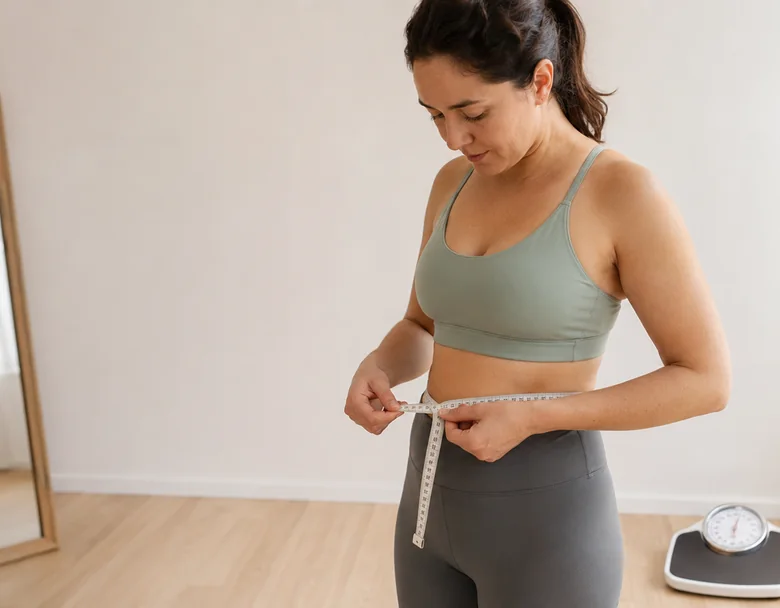
BMI can be a quick screening number based on height and weight, but it is not a complete picture of health or body composition. During intermittent fasting, BMI may help you understand a broad weight category, but it cannot tell you how much body fat you have, where fat is distributed, whether a fasting plan is safe, or what weight-loss target is right for you.[1][2]
Key takeaways
- BMI is calculated from height and weight, not body fat percentage.[1]
- A healthy BMI range for most adults is 18.5 to 24.9, but interpretation needs context.[1][2]
- BMI can be useful for trend awareness, but it should not be the only measure of progress.
- Weight-loss goals should consider waist measurement, labs, medical history, medications, fitness, symptoms, and clinician guidance when needed.
- Intermittent fasting should not be used to chase a BMI number at the expense of nutrition or safety.
Table of Contents
What is BMI?
BMI stands for body mass index. It is a numerical value of weight in relation to height.[2] Adult BMI categories are commonly listed as:
| BMI category | Adult BMI range |
|---|---|
| Underweight | Below 18.5 |
| Healthy weight | 18.5 to 24.9 |
| Overweight | 25.0 to 29.9 |
| Obesity | 30.0 or higher |
These categories can help screen for weight-related health risk at a population level. They do not describe your full individual health picture.
How BMI can help with weight loss
BMI can be useful when it gives you a broad starting point. For example, it may help you see whether your current weight falls into a general screening category and whether a weight-loss conversation with a clinician may be useful.
BMI may help you:
- set a broad context for weight-related goals;
- track long-term weight direction;
- avoid reacting to every daily scale change;
- decide whether to ask for more personalized guidance.
For intermittent fasting, BMI should be treated as background information. It does not tell you which fasting schedule to choose. If your main question is schedule selection, Best Intermittent Fasting Schedule for Weight Loss may be a better next step.
BMI vs body fat: what is the difference?
BMI is based only on height and weight. Body fat percentage estimates how much of your body weight is fat mass. They are related, but they are not the same.
| Measure | What it can tell you | What it cannot tell you |
|---|---|---|
| BMI | A broad height-weight category. | Body fat percentage, muscle mass, fat distribution, or health status by itself. |
| Body fat percentage | More body-composition detail. | Full metabolic health, nutrition quality, or medical risk by itself. |
| Waist measurement | A clue about abdominal fat distribution. | Complete health status without other context. |
| Lab markers | Information about blood sugar, cholesterol, and other health markers. | Why a weight change happened without clinical interpretation. |
BMI can be misleading for muscular people, older adults, people with swelling or fluid changes, and anyone whose health picture does not match the category. It should be interpreted with clinical context.[2]
How to use BMI without letting it run the plan
Use BMI as one input, then build your weight-loss plan around behaviors you can repeat.
A better progress dashboard may include:
- weight trend over several weeks;
- waist measurement, if appropriate;
- how consistently you eat balanced meals;
- activity and steps;
- sleep and stress patterns;
- fasting-window consistency;
- symptoms or warning signs;
- lab results or clinician feedback when relevant.
GoFasting can help you log fasting windows, weight, steps, calorie intake, and water intake, then review patterns as you adjust your routine. It cannot assess body composition, diagnose health risk, or decide whether a BMI target is right for you.
When weight loss should be clinician-guided
Weight loss should be individualized if you have diabetes, heart disease, kidney disease, pregnancy or breastfeeding, underweight status, a history of eating disorders, medications that affect weight or appetite, unexplained weight changes, or symptoms that feel unsafe.[3]
A weight-loss program should include healthy eating, activity when appropriate, habits for long-term maintenance, and a plan tailored to health needs and preferences.[4]
FAQ
What is a healthy BMI range?
For most adults, the commonly used healthy BMI range is 18.5 to 24.9.[1] That range is a screening category, not a complete health assessment.
Is BMI good for weight loss tracking?
BMI can show broad category changes over time, but weight trend, waist measurement, body composition context, symptoms, habits, and clinical markers may be more useful for decision-making.
Is BMI better than body fat percentage?
Not necessarily. BMI is easier to calculate, but it does not directly measure body fat. Body fat percentage gives different information, and both still need context.
Should I use intermittent fasting to reach a healthy BMI?
Only if fasting is appropriate for you and supports balanced eating. Do not use fasting to force rapid weight loss or pursue a number without considering nutrition, symptoms, and medical context.
Bottom line
BMI can be a useful screening number, but it should not control your weight-loss plan. During intermittent fasting, use BMI alongside trend data, habits, symptoms, body-composition context, and professional guidance when needed.
Medical disclaimer
This article is for general education only and is not medical advice. BMI categories are screening tools and do not diagnose health status. Talk with a qualified health care professional about weight-loss goals, medical conditions, medications, pregnancy or breastfeeding, eating disorder risk, underweight status, or unexplained weight changes.
References
- NHLBI. Calculate Your BMI https://www.nhlbi.nih.gov/calculate-your-bmi
- American Heart Association. Body Mass Index in Adults https://www.heart.org/en/healthy-living/healthy-eating/losing-weight/bmi-in-adults
- Cleveland Clinic. 6 Tips for Fasting Safely https://health.clevelandclinic.org/tips-for-fasting-the-healthy-way
- NIDDK. Choosing a Safe & Successful Weight-loss Program https://www.niddk.nih.gov/health-information/weight-management/choosing-a-safe-successful-weight-loss-program