



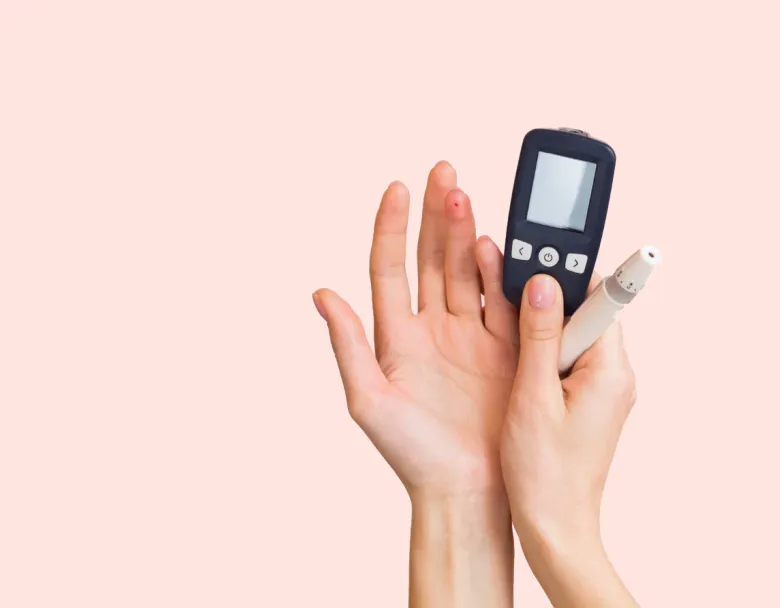
If you have diabetes, intermittent fasting is not simply a decision about meal timing. It can affect blood glucose, medication timing, carbohydrate intake, hydration, activity, and the risk of hypoglycemia.[1][2] Do not start fasting or change diabetes medication on your own. Discuss the idea with your diabetes care team first.
Key takeaways
- Fasting may be appropriate for some adults with type 2 diabetes only with an individualized plan.
- Insulin, sulfonylureas, meglitinides, illness, alcohol, exercise, and delayed meals can increase low-blood-glucose risk.
- Intermittent fasting is not a cure for diabetes and never replaces medication, glucose monitoring, or routine care.
- A shorter overnight pattern may be safer to discuss than immediately starting 16:8 or a longer fast.
- Symptoms of low glucose, dehydration, ketoacidosis, or severe illness take priority over completing a fast.
Table of Contents
- Key takeaways
- Can you do intermittent fasting if you have diabetes?
- Why diabetes changes the fasting decision
- Is 16:8 a good starting point for diabetes?
- What should you eat during the eating window?
- What can you drink while fasting?
- Symptoms that should change the plan
- Who should not self-guide fasting?
- FAQ
- Bottom line
- Medical disclaimer
- References
Can you do intermittent fasting if you have diabetes?
Maybe, but there is no single answer for everyone with diabetes. A person with prediabetes who takes no glucose-lowering medication has a different risk profile from someone with type 1 diabetes, someone using insulin, or someone with repeated low readings.
Current evidence suggests that some adults with type 2 diabetes may improve weight or short-term glucose markers with structured fasting, but the results depend on the intervention and the person.[1][4] Intermittent fasting should be presented as one possible eating pattern—not as a diabetes treatment, reversal plan, or replacement for clinical care. The American Diabetes Association emphasizes individualized treatment and fasting-related risk assessment.[1]
Why diabetes changes the fasting decision
| Factor | Why it matters |
|---|---|
| Insulin or insulin-releasing medicines | Delayed meals can increase hypoglycemia risk |
| Blood-glucose pattern | Your personal targets and history determine what is safe |
| Carbohydrate intake | Changing both meal timing and carbohydrate amount can alter glucose control |
| Activity | Exercise during a fast may affect glucose and energy needs |
| Alcohol or illness | Both can make glucose less predictable and increase risk |
| Kidney or cardiovascular conditions | Dehydration and medication interactions may add risk |
NIDDK guidance explains that skipped meals, medication effects, increased activity, and alcohol can contribute to hypoglycemia.[2]
Is 16:8 a good starting point for diabetes?
Not by default. A 16:8 schedule means 16 hours without calorie-containing food or drinks and an 8-hour eating window. If your care team considers fasting appropriate, a conservative discussion may begin with a regular 12-hour overnight gap, then possibly 14:10 if glucose readings, meals, medication timing, and symptoms remain stable.
Ask your care team before considering any longer window:
- Do any medicines need food or a specific timing?
- How should glucose be monitored before, during, and after the fast?
- What readings or symptoms mean that I should eat or stop fasting?
- How should exercise, alcohol, illness, travel, or shift work be handled?
- Would regular meals or a shorter fast better support my goals?
Never change insulin, sulfonylureas, meglitinides, or other prescriptions to fit a fasting schedule without professional instructions.
Example of a cautious discussion—not a self-guided prescription
Someone whose care team approves a trial might first discuss a consistent overnight gap, such as finishing dinner after an ordinary meal and eating again at a regular morning time. The team may then decide whether glucose checks, medication timing, activity, and the first meal need a specific plan. A 12:12 or 14:10 pattern is not automatically safe; it is simply less restrictive than starting with a longer fast.
Do not copy a clock time from another person. The same schedule can produce different glucose responses depending on diabetes type, medication, meal composition, exercise, sleep, illness, and hydration.
What should you eat during the eating window?
The eating window should not become a rushed period of large meals or sugary drinks. Use the plan recommended by your care team. CDC diabetes meal-planning guidance emphasizes that meal planning depends on goals, preferences, lifestyle, medicines, and the amount and type of carbohydrate.[3]
A general plate framework may include nonstarchy vegetables, a protein source, a planned carbohydrate portion, and water. This is not a personalized prescription. Do not reduce food so aggressively that you cannot meet nutrition needs or take medication safely.
What can you drink while fasting?
Water is the simplest default. Unsweetened tea or black coffee may be calorie-free options for some people, but caffeine, dehydration, medication timing, and symptoms still matter.[4] If your blood glucose is low or you have been instructed to treat it, treating the low takes priority over preserving the fast.
Symptoms that should change the plan
Stop fasting and follow your diabetes care plan if you notice shakiness, sweating, intense hunger, dizziness, weakness, confusion, palpitations, blurred vision, or difficulty speaking. Seek urgent help for fainting, seizure, severe confusion, chest pain, repeated vomiting, inability to keep fluids down, fruity breath, abdominal pain, or suspected ketoacidosis.
For additional warning signs, read Fasting Warning Signs: When to Stop and Get Help.
How to review a trial with your care team
Bring the fasting and eating times together with glucose readings, medication times, meals, activity, symptoms, and any episodes of low glucose. Review patterns across several days rather than using one reading to declare fasting successful or unsuccessful. If readings become unpredictable or symptoms occur, stop the experiment and follow the diabetes plan supplied by your care team.
Who should not self-guide fasting?
Get medical guidance before fasting if you have type 1 diabetes, use insulin or medication that can cause hypoglycemia, have frequent or severe lows, have hypoglycemia unawareness, kidney disease, cardiovascular disease, are pregnant or breastfeeding, are under 18, are underweight, are recovering from illness or surgery, or have a current or previous eating disorder.
FAQ
Is intermittent fasting safe for people with diabetes?
It cannot be called safe for everyone. Safety depends on diabetes type, medication, glucose history, nutrition, activity, hydration, and other health conditions. Discuss fasting with your care team before changing meal timing.
Can intermittent fasting reverse diabetes?
No. Fasting is an eating pattern, not a cure or replacement for diabetes treatment. Any medication or remission discussion requires qualified clinical supervision.
Can I skip breakfast if I have diabetes?
Do not decide from a generic fasting rule. Skipping breakfast may conflict with medication, early exercise, glucose patterns, or your ability to eat balanced meals later.
Can people with type 2 diabetes try 16:8?
Some adults may consider it under clinical guidance, but 16:8 is not a default recommendation. A shorter, more predictable overnight pattern may be more appropriate.
What should I do if I feel shaky while fasting?
Stop the fast and follow your clinician-provided hypoglycemia plan. Seek urgent help for severe symptoms, loss of consciousness, seizure, or inability to treat yourself.
Bottom line
Intermittent fasting with diabetes requires a personalized safety plan. Discuss meal timing, medication, glucose monitoring, activity, hydration, and stop rules with your diabetes care team before trying it. Do not prioritize completing a fast over treating low glucose or other urgent symptoms.
Medical disclaimer
This article is general educational information, not medical advice. Do not start, stop, or change fasting, medication, carbohydrate intake, or glucose-monitoring routines without guidance from a qualified healthcare professional. Seek urgent care for severe hypoglycemia symptoms, loss of consciousness, seizure, chest pain, repeated vomiting, or possible ketoacidosis.
References
- American Diabetes Association. Standards of Care in Diabetes—2026 https://diabetesjournals.org/care/article/49/Supplement_1/S86/163920/5-Facilitating-Positive-Health-Behaviors-to-Improve
- NIDDK. Low Blood Glucose (Hypoglycemia) https://www.niddk.nih.gov/health-information/diabetes/overview/preventing-problems/low-blood-glucose-hypoglycemia
- CDC. Diabetes Meal Planning https://www.cdc.gov/diabetes/healthy-eating/diabetes-meal-planning.html
- Johns Hopkins Medicine. Intermittent Fasting https://www.hopkinsmedicine.org/health/wellness-and-prevention/intermittent-fasting