



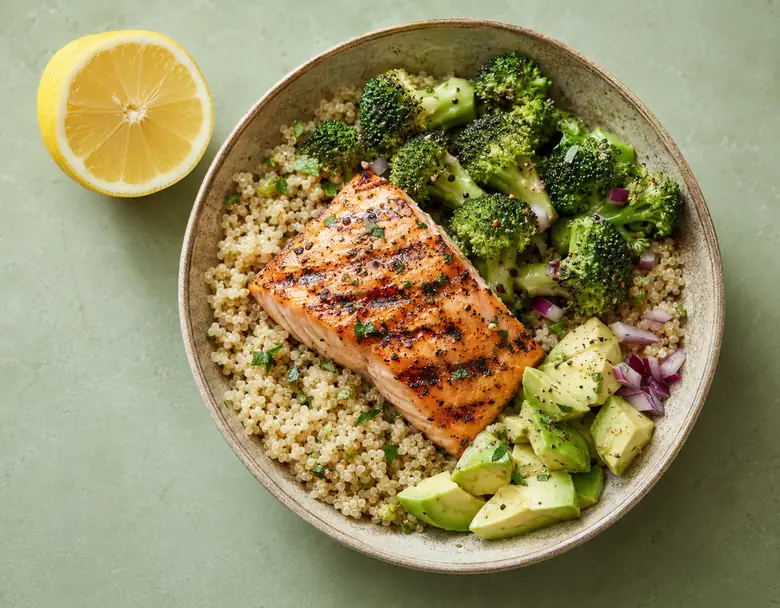
Intermittent fasting may help some people with fatty liver indirectly if it supports weight loss, better eating habits, and a routine they can maintain. But it should not be treated as a treatment for fatty liver disease, and it is not appropriate for everyone. If you have been diagnosed with fatty liver, especially MASLD, MASH, fibrosis, cirrhosis, diabetes, or abnormal liver tests, discuss fasting with your healthcare professional before changing your eating pattern. These safety and evidence boundaries are supported by the sources listed below.[3][4]
Fatty liver is a medical condition, not just a weight-loss problem. The safest framing is simple: lifestyle changes can matter, but the plan should match your diagnosis, medications, lab results, and overall health.
Key takeaways
- Intermittent fasting is not a diagnosis or treatment for fatty liver disease.
- Fasting may help only if it improves the overall pattern: calories, food quality, weight management, activity, and consistency.
- Weight loss can improve liver fat for some people with fatty liver, but targets and safety should be clinician-guided.
- Do not use fasting to replace medical follow-up, liver tests, diabetes care, alcohol guidance, or prescribed treatment.
- Stop fasting and get medical advice if symptoms feel unsafe or if fasting conflicts with medications or liver-related care.
Table of Contents
What fatty liver means
Fatty liver disease involves excess fat in the liver. Many people use “fatty liver” to refer to nonalcoholic fatty liver disease, now often discussed under newer terms such as MASLD, or metabolic dysfunction-associated steatotic liver disease.
Fatty liver can be related to metabolic health, body weight, insulin resistance, type 2 diabetes, cholesterol, blood pressure, alcohol intake, medications, and other factors. Some people have few or no symptoms, which is why diagnosis and follow-up depend on medical evaluation rather than how someone feels.
Can intermittent fasting help fatty liver?
It might help some people indirectly, but the evidence should be kept in perspective.
Intermittent fasting may reduce eating opportunities and help with weight loss for some people. Weight management can be part of fatty liver care. The American Association for the Study of Liver Diseases notes that weight loss can reduce liver fat, and greater weight loss may be needed to improve inflammation or fibrosis in some people [1].
That does not prove intermittent fasting itself treats fatty liver. If fasting works, it is likely because it helps create a sustainable overall lifestyle pattern.
| Claim | Safer interpretation |
|---|---|
| “Fasting cures fatty liver.” | Too strong. Fatty liver needs medical evaluation and individualized care. |
| “Fasting can reduce liver fat.” | Possible for some people if it supports weight loss and healthier intake, but not guaranteed. |
| “Everyone with fatty liver should fast.” | Incorrect. Medical context, medications, diabetes, liver stage, and eating history matter. |
| “Longer fasts work better.” | Not supported as a general rule and may be risky. |
What matters more than the fasting window
Weight change, if clinically appropriate
For people with overweight or obesity and fatty liver, weight loss may improve liver fat and related markers. But weight goals should be individualized, especially if you have diabetes, liver scarring, other medical conditions, or a history of disordered eating.
Food quality
A fasting window followed by large high-calorie meals, sugary drinks, or frequent ultra-processed snacks is unlikely to support liver or weight goals. During the eating window, build meals around vegetables, fruit, protein foods, whole grains when appropriate, healthy fats, and mostly unsweetened drinks [2].
Physical activity
Activity can support weight management and metabolic health. If fasting lowers your energy so much that you move less, the plan may be working against you.
Alcohol and liver-specific advice
Alcohol guidance should come from your clinician. Do not assume fasting offsets alcohol intake or liver risk.
Medical follow-up
Liver enzymes, imaging, fibrosis assessment, diabetes care, cholesterol, blood pressure, and medications cannot be managed by a fasting schedule.
If you want to try fasting, start conservatively
If your clinician agrees that fasting is reasonable, avoid aggressive plans at first.
| Starting choice | Why it is more cautious |
|---|---|
| 12:12 | Keeps overnight structure without skipping too much food. |
| 14:10 | Adds a clearer window while leaving room for balanced meals. |
| 16:8 | May work for some, but should not be the first step if symptoms or medications are a concern. |
| 20:4, OMAD, multi-day fasts | More restrictive and not a default choice for fatty liver. |
A safer goal is consistency: regular meals, fewer sugary drinks, less grazing, adequate hydration, and a plan you can repeat.
When fasting may be the wrong move
Do not start fasting without medical guidance if any of these apply:
| Situation | Why it matters |
|---|---|
| Diabetes or glucose-lowering medication | Delayed meals can affect blood sugar and medication safety. |
| Advanced liver disease, fibrosis, cirrhosis, or unclear liver status | Nutrition needs and risk level may be different. |
| Pregnancy or breastfeeding | Calorie, nutrient, and fluid needs are higher. |
| Kidney disease or heart disease | Diet and fluid decisions may need clinical supervision. |
| Underweight status or recent illness/surgery | Restriction can delay recovery or worsen nutrition. |
| Current or past eating disorder | Fasting can reinforce harmful restriction patterns. |
Stop fasting and seek medical advice if you develop fainting, confusion, severe weakness, persistent vomiting, chest pain, severe abdominal pain, yellowing of the skin or eyes, or symptoms that feel unsafe.
How GoFasting can fit without crossing medical lines
GoFasting can help you log fasting windows, weight, calorie intake, water intake, and steps, then review patterns as you adjust your routine. That can make daily habits easier to see.
But tracking does not diagnose fatty liver, stage liver disease, manage diabetes medications, interpret liver tests, or decide whether fasting is medically appropriate. Keep medical decisions with your healthcare team.
FAQ
Is intermittent fasting good for fatty liver?
It may be useful for some people if it supports weight loss and healthier eating patterns, but it is not a stand-alone treatment and is not right for everyone.
Can intermittent fasting reverse fatty liver?
Do not rely on fasting alone to reverse fatty liver. Some people improve liver fat through clinician-guided lifestyle changes and weight management, but liver disease stage and medical context matter.
What is the best fasting schedule for fatty liver?
There is no universal best schedule. If fasting is appropriate, a conservative overnight schedule such as 12:12 or 14:10 is usually a safer starting point than aggressive fasting.
Should I do keto and fasting for fatty liver?
Do not combine restrictive approaches without clinical guidance, especially if you have diabetes, kidney disease, liver disease, or take medications. Keto plus fasting can increase restriction and side effects.
Can I use an app to manage fatty liver?
An app can help with habit tracking, but it cannot diagnose, treat, or monitor fatty liver disease. Use medical follow-up for liver-related decisions.
Medical disclaimer
This article is for general education only and is not personal medical advice. If you have a medical condition, take medication, are pregnant or breastfeeding, are underweight, have a history of eating disorders, or feel unwell while fasting, ask a qualified health professional before changing your eating schedule.
References
- Rinella ME, Neuschwander-Tetri BA, Siddiqui MS, et al. AASLD Practice Guidance on the clinical assessment and management of nonalcoholic fatty liver disease. Hepatology https://pmc.ncbi.nlm.nih.gov/articles/PMC10735173/
- CDC. Tips for Healthy Eating for a Healthy Weight https://www.cdc.gov/healthy-weight-growth/healthy-eating/index.html
- Johns Hopkins Medicine. Intermittent Fasting: What Is It, And How Does It Work? https://www.hopkinsmedicine.org/health/expert-qa/intermittent-fasting-what-is-it-and-how-does-it-work
- Cleveland Clinic. 6 Tips for Fasting Safely https://health.clevelandclinic.org/tips-for-fasting-the-healthy-way