



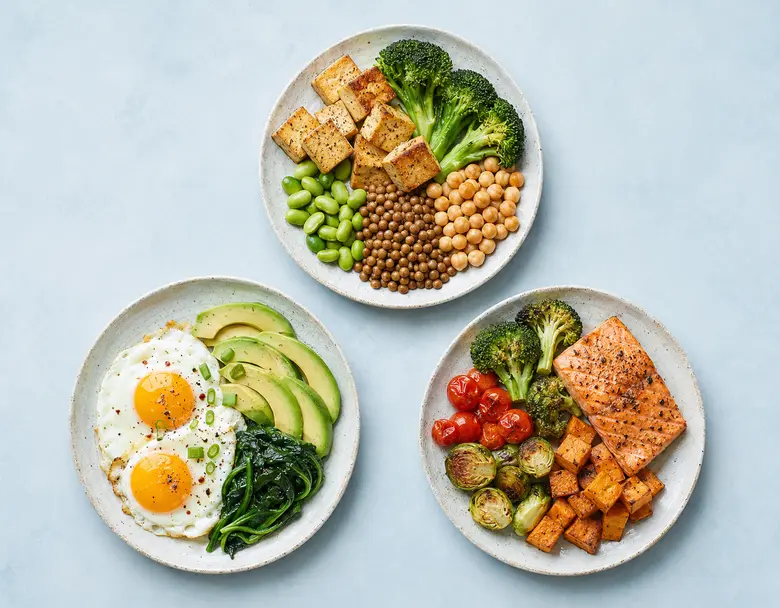
A healthy diet for intermittent fasting does not have to be extreme. For most people, the safer default is a balanced eating window with protein foods, vegetables, fruit, fiber-rich carbohydrates, healthy fats, and mostly unsweetened drinks. Special diets such as vegan, keto, carb cycling, or carnivore-style eating add extra planning needs and may not fit everyone.[1][2]
Key takeaways
- Intermittent fasting changes when you eat; a special diet changes what you eat.
- A balanced diet is usually a safer starting point than combining fasting with heavy restriction.
- Vegan intermittent fasting needs attention to protein, iron, vitamin B12, calcium, and overall adequacy.
- Keto or very low-carb fasting may increase side effects for some people and needs caution with diabetes or medical conditions.[3]
- GoFasting can help you log fasting windows, calorie intake, water intake, steps, and weight while you review patterns.
Table of Contents
Intermittent fasting diet styles compared
| Diet style | How it can fit | Main caution |
|---|---|---|
| Balanced diet | Uses varied meals with protein, plants, whole grains, and healthy fats | Still needs reasonable portions and consistency |
| Vegan intermittent fasting | Can work with beans, lentils, tofu, tempeh, nuts, seeds, whole grains, fruits, and vegetables | Needs nutrient planning, especially B12 and protein |
| Low-carb fasting | Reduces some carbohydrate foods while keeping a fasting window | Not required for fasting; can cause constipation or fatigue if too restrictive |
| Keto plus fasting | Combines very low carb with fasting | Higher restriction; diabetes, medications, kidney disease, pregnancy, and breastfeeding need clinical guidance |
| Carb cycling with fasting | Changes carb intake across days | Can become complicated and unnecessary for many beginners |
| Carnivore-style fasting | Centers animal foods with few or no plants | Can be low in fiber and is not a balanced default |
The more restrictive the diet, the more important it is to check whether it still supports enough nutrients, fiber, fluids, and long-term adherence.
A safer balanced diet for intermittent fasting
A simple eating-window plate can include:
- Protein foods: fish, poultry, eggs, tofu, tempeh, beans, lentils, Greek yogurt, or lean meats
- Vegetables and fruit
- Fiber-rich carbohydrates: oats, potatoes, brown rice, quinoa, beans, or whole-grain bread
- Healthy fats: olive oil, avocado, nuts, or seeds
- Water, unsweetened tea, or coffee with little or no sugar
Healthy eating patterns can include a variety of nutrient-dense foods and should stay within daily calorie needs.[1]
What to limit during the eating window
| Limit more often | Why |
|---|---|
| Sugary drinks | Add calories quickly without much fullness |
| Sweet coffee drinks | Can turn a drink into a dessert-like calorie source |
| Ultra-processed snacks | Easy to graze on inside a short window |
| Low-fiber restrictive meals | May worsen fullness and digestion |
| Alcohol | Adds calories and can affect sleep and health risks |
| Oversized reward meals | Can erase the structure fasting was meant to create |
Added sugars can make it harder to meet nutrient needs while staying within calorie limits.[4]
How to choose a diet style with fasting
Choose the least restrictive approach that supports your goal.
- Start with meal timing first, not multiple diet rules at once.
- Keep meals balanced for two weeks before changing macros.
- If vegan, plan protein and key micronutrients deliberately.
- If low carb or keto, avoid extreme restriction and monitor symptoms.
- If constipation, fatigue, headaches, or rebound eating appears, widen the food variety.
- If diabetes, pregnancy, breastfeeding, kidney disease, heart disease, medication use, or eating disorder history applies, get medical guidance before combining fasting with a restrictive diet.
GoFasting can support consistency by helping you log fasting windows and review patterns. If you track calorie intake, water intake, steps, or weight, use the data as feedback rather than as a reason to make the diet more restrictive.
When a special diet may not be the right fit
A special diet may not fit if it causes food anxiety, binge-restrict cycles, digestive problems, poor sleep, low energy, or social isolation. Intermittent fasting already adds structure; adding a restrictive diet on top can make the routine harder to sustain.
If fasting increases fixation on weight, body shape, or food control, stop the experiment and seek qualified support.[5]
FAQ
What is a healthy diet for intermittent fasting?
A balanced eating-window pattern with protein foods, vegetables, fruits, fiber-rich carbohydrates, healthy fats, and mostly unsweetened drinks is a strong default.
Can vegan intermittent fasting work?
It can, but it requires planning for protein and nutrients such as vitamin B12, iron, calcium, and overall calorie adequacy.
Is keto required for intermittent fasting?
No. Keto changes what you eat, while intermittent fasting changes when you eat. They are separate choices.
Can I do carb cycling with intermittent fasting?
Some people do, but it adds complexity. Most beginners should first build a consistent eating window and balanced meals.
Is carnivore diet and intermittent fasting a good combination?
It is highly restrictive and not a balanced default. Consider fiber, micronutrients, medical context, and long-term sustainability before using it.
Bottom line
Special diets are optional, not required for intermittent fasting. Start with a balanced eating window, then consider dietary changes only if they improve consistency, nutrition, and well-being without adding unnecessary restriction.
Medical disclaimer
This article is for general wellness education and should not replace medical advice. Speak with a qualified health care professional before combining fasting with a restrictive diet if you are pregnant or breastfeeding, under 18, have diabetes or blood-sugar concerns, kidney disease, heart disease, digestive issues, take medications, have a history of eating disorders, or feel unwell while fasting.
References
- CDC. “Tips for Healthy Eating for a Healthy Weight.” https://www.cdc.gov/healthy-weight-growth/healthy-eating/index.html
- Harvard T.H. Chan School of Public Health. “Healthy Eating Plate.” https://nutritionsource.hsph.harvard.edu/healthy-eating-plate/
- Mayo Clinic. “Low-carb diet: Can it help you lose weight?” https://www.mayoclinic.org/healthy-lifestyle/weight-loss/in-depth/low-carb-diet/art-20045831
- FDA. “Added Sugars on the Nutrition Facts Label.” https://www.fda.gov/food/nutrition-facts-label/added-sugars-nutrition-facts-label
- National Institute of Mental Health. “Eating Disorders.” https://www.nimh.nih.gov/health/topics/eating-disorders