

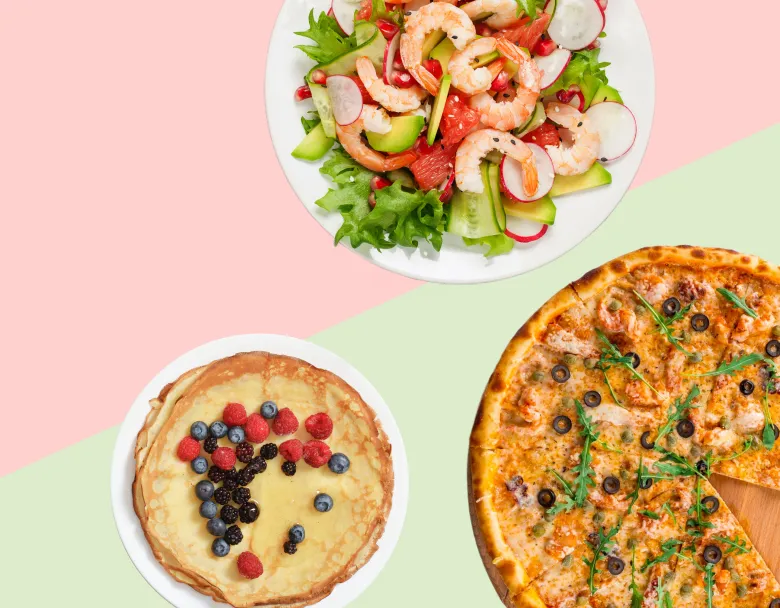
Yes. Intermittent fasting changes when you eat, but it does not make food quality irrelevant. A fasting window can reduce the number of eating opportunities in a day, but your eating window still has to supply enough protein, fiber, healthy fats, fluids, and overall energy for your body.
The simplest way to think about it is this: fasting sets the schedule; food choices determine much of what that schedule delivers. If most meals are built around whole, nutrient-dense foods, intermittent fasting is more likely to feel steady and sustainable. If the eating window is mostly sweets, refined starches, and oversized portions, the fasting routine may be harder to maintain and less useful for weight or health goals.
Why food choices can change your fasting results
Intermittent fasting is often described as a time-based eating pattern. Johns Hopkins Medicine explains that it focuses on when you eat rather than prescribing one exact food list, but it also notes that eating high-calorie foods or much larger meals during the eating window can work against the goal [1].
That matters because fasting does not erase the basics of nutrition. Your meals still affect calorie intake, blood sugar swings, fullness, digestion, and whether you get enough nutrients. A long fasting window followed by low-protein, low-fiber, high-sugar meals can leave you less satisfied and more likely to snack or overeat later.
Food quality also affects consistency. The current U.S. Dietary Guidelines emphasize whole, nutrient-dense foods such as protein foods, dairy, vegetables, fruits, healthy fats, and whole grains, while reducing highly processed foods, added sugars, and refined carbohydrates [2]. That advice applies whether you eat across twelve hours or eight.
What should you eat during the eating window?
Aim for simple, repeatable meals: protein, plants, high-fiber carbohydrates, and enough fat to make the meal satisfying.
| What to include | Easy examples | Why it helps during fasting |
|---|---|---|
| Protein at meals | Eggs, fish, poultry, Greek yogurt, tofu, beans, lentils | Supports fullness and helps the meal feel complete |
| Vegetables and fruit | Leafy greens, tomatoes, berries, apples, pumpkin | Adds fiber, volume, micronutrients, and color |
| Higher-fiber carbohydrates | Oats, brown rice, quinoa, beans, sweet potatoes, whole grains | Gives steadier energy than refined starches for many people |
| Healthy fats | Olive oil, avocado, nuts, seeds, fatty fish | Helps with satisfaction and makes simple meals easier to enjoy |
| Fluids | Water, sparkling water, unsweetened tea, black coffee during the fast if tolerated | Helps separate thirst from the urge to snack |
The American Heart Association recommends an overall dietary pattern with vegetables and fruits, whole grains rather than refined grains, healthy protein sources, unsaturated fats, minimally processed foods, less added sugar, and lower sodium [3]. You do not need a perfect plate at every meal, but most meals should move in that direction.
A practical plate could be salmon, roasted pumpkin, greens, and olive oil; eggs with beans and vegetables; or tofu, brown rice, and stir-fried vegetables. If you prefer a simpler rule, start with protein and plants first, then add the carbohydrate and fat that fit your appetite and goals.
Which foods can make intermittent fasting less effective?
No single food ruins a fasting plan. The bigger issue is pattern. If refined carbohydrates, desserts, sugary drinks, and highly processed snacks dominate the eating window, they can make it harder to stay satisfied and easier to exceed your intended intake.
Foods to keep occasional rather than central include:
- Cakes, cookies, candy, and sweet pastries.
- Sugary drinks, sweet coffee drinks, and energy drinks.
- Large portions of white bread, crackers, chips, and other refined starches.
- Fast meals that are mostly fried food, sauces, and low-fiber sides.
- Snacks eaten because the window is open, not because you are building a meal.
This does not mean you need strict food rules. It means the eating window should not become a compressed version of all-day grazing. If you want a sweet food, pair it with a real meal instead of letting it replace protein, fiber, and fluids.
Are low-sugar, DASH, or Mediterranean-style meals good fits?
They can be, as long as you treat them as meal patterns rather than rigid labels. Low-sugar eating can help you reduce desserts and sweet drinks. DASH-style eating offers a balanced structure around vegetables, fruits, whole grains, lower-fat dairy, fish, poultry, beans, nuts, and vegetable oils while limiting saturated fat and sugar-sweetened drinks [4]. Mediterranean-style meals often use vegetables, legumes, whole grains, fish, olive oil, nuts, and fruit, which fits well with the kind of eating window many people can repeat.
Pick the pattern that makes your next meal easier, not the one that sounds most disciplined. A good fasting meal pattern should pass three tests:
- You can name your protein source.
- You can see at least one plant food.
- You can repeat it on an ordinary weekday.
If a plan requires expensive specialty foods, leaves you overly restricted, or makes social meals stressful, it may not be the right starting point.
How to build a simple fasting day around food quality
Start with the eating window you already use, then make the first meal more complete. For example, if you follow 16:8 and eat from noon to 8 p.m., lunch might be eggs, beans, vegetables, and fruit instead of only toast or a pastry. Dinner might be protein, sweet potato, vegetables, and olive oil instead of a large refined-carb meal with little fiber.
For many people, the easiest upgrade is not cutting more food. It is replacing a weak first meal with a steadier one. Try this sequence for one week:
- First meal: protein plus a high-fiber carbohydrate and fruit or vegetables.
- Later meal: protein plus vegetables, with enough carbohydrate to match your day.
- Optional snack: yogurt, nuts, fruit, hummus with vegetables, or another simple food that has protein or fiber.
- Drinks: water or unsweetened drinks most of the time.
If weight loss is your goal, keep the change moderate. Intermittent fasting may help some people reduce intake, but pushing the window longer while under-eating during meals can backfire. A smaller, repeatable improvement is usually more useful than a dramatic rule you cannot keep.
When should you adjust the fast instead of pushing through?
Food choices matter, but they are not the only issue. Sometimes the fasting schedule itself is too aggressive, or fasting may not be appropriate.
Avoid starting intermittent fasting, or get medical guidance first, if you are pregnant or breastfeeding, under 18, have a history of eating disorders, have type 1 diabetes and use insulin, take medications affected by meal timing, or have a medical condition where missed meals could be risky. Johns Hopkins also advises checking with a doctor before trying intermittent fasting and seeking help if unusual symptoms such as anxiety, headaches, or nausea appear [1].
During a fast, stop, shorten the window, or eat sooner if you feel faint, confused, shaky, or unwell. If symptoms repeat, do not solve it by simply choosing stricter foods or a longer fast. Shorten the fasting window, review whether you are eating enough during meals, and talk with a clinician or registered dietitian if you have health conditions, medications, or a history of restrictive eating.
Separately, pay attention to your own patterns: strong cravings, irritability, poor concentration, or feeling out of control around food can be signs that the routine needs adjustment. Those observations do not diagnose the cause, but they are useful reasons to pause and make the plan gentler.
How GoFasting can help you review the routine
GoFasting can help with the practical side: logging fasting windows, water intake, calorie intake, weight, and steps. Those records can make patterns easier to see over time, such as whether a shorter window is more consistent or whether certain meal days align with higher calorie intake.
Keep the review simple. Look at the routine once or twice a week, then adjust one thing at a time: meal quality, window length, hydration, or consistency. The goal is not to chase a perfect fasting score. It is to build a routine you can repeat without ignoring your body's signals.
FAQs
Can I eat anything I want during intermittent fasting?
You can choose flexible foods, but the plan works better when most meals are built from protein, vegetables or fruit, higher-fiber carbohydrates, and satisfying fats. A fasting window is not a free pass for frequent sweets, refined starches, or oversized meals.
Do I need to eat low carb while intermittent fasting?
Not necessarily. Many people do well with higher-fiber carbohydrates such as beans, oats, whole grains, pumpkin, fruit, or sweet potatoes. The bigger issue is usually refined carbohydrates and added sugars, not all carbohydrates.
What should I eat first after a fast?
Choose a normal, balanced meal instead of a very large meal. Protein plus fiber is a good default: eggs and vegetables, Greek yogurt with fruit and nuts, beans with rice and salad, or fish with sweet potato and greens.
Is cake allowed during intermittent fasting?
Yes, occasionally. It is better treated as a dessert with a meal than as the center of the eating window. If sweets regularly replace protein and fiber, your fasting routine may become harder to sustain.
Should I ask a dietitian what to eat?
Yes, especially if you have diabetes, kidney disease, digestive conditions, a history of disordered eating, pregnancy or breastfeeding needs, medications tied to meals, or repeated symptoms during fasting. A registered dietitian can adapt the eating window to your health needs and food preferences.
This article is general information, not medical advice. If you have a health condition, take medication, are pregnant or breastfeeding, or are unsure whether fasting is right for you, talk with a qualified clinician who knows your situation.
References
- Johns Hopkins Medicine. Intermittent Fasting: What Is It, And How Does It Work? Updated April 7, 2026 https://www.hopkinsmedicine.org/health/expert-qa/intermittent-fasting-what-is-it-and-how-does-it-work
- U.S. Department of Health and Human Services and U.S. Department of Agriculture. Dietary Guidelines for Americans, 2025-2030 https://cdn.realfood.gov/DGA.pdf
- American Heart Association. The American Heart Association Diet and Lifestyle Recommendations. Last reviewed March 31, 2026 https://www.heart.org/en/healthy-living/healthy-eating/eat-smart/nutrition-basics/aha-diet-and-lifestyle-recommendations
- National Heart, Lung, and Blood Institute. DASH Eating Plan. Last updated February 25, 2026 https://www.nhlbi.nih.gov/health/dash-eating-plan