

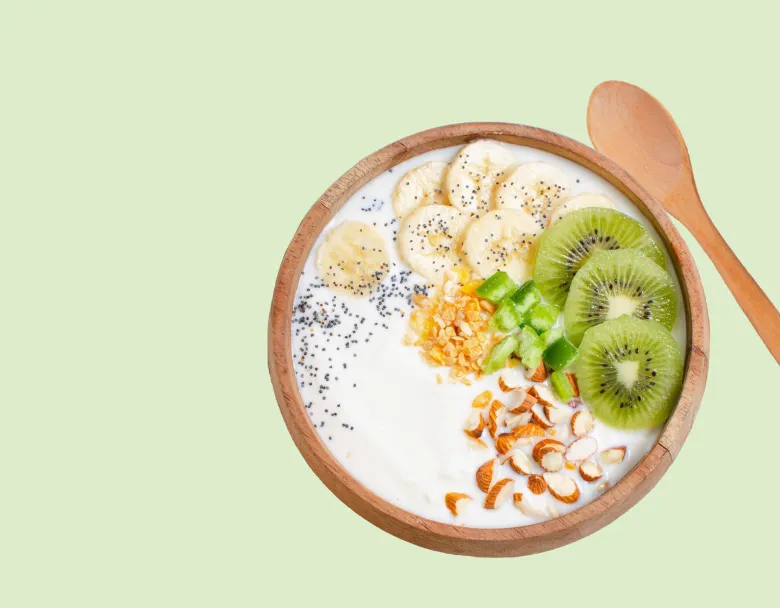
The best first meal after fasting is usually a balanced, easy-to-digest meal that includes protein, fiber-rich carbohydrates, water, and a little healthy fat. There is no single perfect meal for everyone. The right choice depends on how long you fasted, how your stomach feels, your health history, and what you can repeat without overeating later.
If your fast was a normal intermittent fasting window, such as 12 to 16 hours, you usually do not need a special refeeding plan. If your fast was much longer, or you have diabetes, take medication, are pregnant or breastfeeding, are underweight, or have a history of disordered eating, get qualified guidance before fasting or changing how you eat.
Key takeaways
- After a typical 12- to 16-hour fast, choose a normal balanced meal rather than a very large meal.
- A useful first meal includes protein, fiber-rich carbohydrates, fluids, and enough total food.
- Avoid breaking a fast with mostly sugar, alcohol, or a very large greasy meal if those leave you uncomfortable.
- Longer fasts need more caution than everyday time-restricted eating.
- GoFasting can help you log fasting windows, calorie intake, water intake, weight, and steps as you review patterns.
What makes a good first meal after fasting?
A good first meal should do three things:
- help you feel steady
- support the next part of your day
- avoid triggering an uncomfortable cycle of restriction and overeating
For most everyday intermittent fasting routines, the first meal does not need to be unusual. Johns Hopkins describes intermittent fasting as switching between fasting and eating on a regular schedule, with water, black coffee, and tea commonly used during fasting periods [1]. When the eating window begins, food quality still matters.
Harvard Health notes that what you eat during the eating window still matters, including both quantity and quality [3]. That is the main principle for the first meal too.
Simple first-meal formula
Use this as a starting point:
| Add this | Examples | Why it helps |
|---|---|---|
| Protein | Eggs, Greek yogurt, tofu, fish, chicken, beans, lentils, cottage cheese | Helps the meal feel satisfying |
| Fiber-rich carbohydrate | Oats, potatoes, fruit, beans, quinoa, brown rice, whole-grain toast | Provides energy and makes the meal more complete |
| Vegetables or fruit | Greens, tomatoes, peppers, berries, apple, citrus | Adds fiber, fluid, and micronutrients |
| Healthy fat | Olive oil, avocado, nuts, seeds, fatty fish | Adds flavor and staying power |
| Fluid | Water, unsweetened tea, broth if desired | Helps you rehydrate after the fast |
You do not need every category in a perfect ratio. The point is to avoid breaking a fast with only coffee, only sweets, or a huge meal eaten too quickly.
First meal ideas after a 12- to 16-hour fast
Try one of these:
- Greek yogurt with berries, oats, and nuts
- eggs with vegetables and whole-grain toast
- tofu scramble with potatoes and fruit
- lentil soup with salad and olive oil
- salmon, rice, and vegetables
- chicken or bean bowl with avocado, salsa, and quinoa
- cottage cheese with fruit and whole-grain toast
- oatmeal with nut butter, berries, and seeds
If your first meal is small, plan the next meal instead of trying to "make up for" the fast later at night.
What to avoid as your first meal
No single food is automatically wrong, but some choices make people feel worse after fasting.
Be cautious with:
- a very large meal eaten quickly
- mostly candy, pastries, or sugary drinks
- alcohol as the first intake
- very greasy meals if they upset your stomach
- fruit juice or smoothies without protein if they leave you hungry soon after
- skipping real food and relying only on coffee
This is not about food morality. It is about comfort, fullness, and making the fasting routine repeatable.
How the fasting length changes the first meal
The longer the fast, the more cautious the first meal should be.
| Fast length | First meal approach | Watch-outs |
|---|---|---|
| 12 hours | Normal breakfast or first meal | No special approach usually needed |
| 14-16 hours | Balanced meal, eaten calmly | Avoid overeating from arriving too hungry |
| 18-24 hours | Smaller balanced meal may feel better | Watch for dizziness, nausea, rebound eating |
| Longer than 24 hours | Get qualified guidance | Higher risk if medical conditions or under-eating are involved |
Johns Hopkins cautions that longer 24-, 36-, 48-, or 72-hour fasts are not necessarily better and may be dangerous for some people [1]. Mayo Clinic also notes that intermittent fasting is not for everyone and may cause side effects such as tiredness, dizziness, headaches, mood changes, constipation, diabetes management issues, and menstrual effects [2].
If your goal is weight loss
The first meal after fasting should not become a reward meal that cancels the structure you were trying to build. At the same time, it should not be so small that you rebound later.
Current evidence does not support treating intermittent fasting as clearly superior to traditional dietary advice for weight loss. A 2026 Cochrane review found that intermittent fasting may make little to no difference to weight loss compared with traditional dietary advice in adults with overweight or obesity [4].
In practical terms, fasting may help if it makes meals simpler and reduces grazing. It may backfire if the first meal becomes rushed, oversized, or mostly low-protein snacks.
When to be more cautious
Ask a qualified healthcare professional before fasting or changing your eating routine if you:
- have diabetes or blood sugar concerns
- use insulin or glucose-lowering medication
- take medication that must be taken with food
- are pregnant or breastfeeding
- are under 18
- are underweight or recovering from illness
- have a current or past eating disorder
- have a chronic medical condition
Shorten or stop the fast if you feel faint, severely dizzy, confused, weak, shaky, nauseated, or unable to eat normally when the eating window begins.
How GoFasting can help
GoFasting can help you log fasting windows, calorie intake, water intake, weight, and steps. That can make it easier to notice whether your first meal supports the routine.
For example, if a very small first meal leads to overeating later, you may need a more balanced first meal or a shorter fasting window. Use tracking as feedback, not judgment.
FAQ
What is the best thing to eat after fasting?
For most people after a normal intermittent fast, a balanced meal with protein, fiber-rich carbohydrates, water, and a little healthy fat is a good first choice.
Can I eat eggs after fasting?
Yes. Eggs can be a practical protein source after fasting, especially with vegetables, fruit, potatoes, or whole-grain toast.
Is fruit good after fasting?
Fruit can fit well after fasting, especially with protein or healthy fat. Fruit alone may not keep everyone full for long.
Should I eat a small meal after fasting?
After a 12- to 16-hour fast, a normal balanced meal is usually fine. After a longer fast, a smaller first meal may feel better, and medical guidance may be appropriate.
Can I drink coffee as my first intake after fasting?
You can, but coffee alone is not a meal. If coffee makes you jittery or worsens hunger, have water and food first.
Bottom line
The best first meal after fasting is not a magic food. It is a balanced meal you can eat calmly and repeat. Start with protein, fiber-rich carbohydrates, water, and foods that leave you steady rather than stuffed or still hungry.
Medical disclaimer
This article is for general education only and is not medical advice. Speak with a qualified healthcare professional before starting or changing a fasting routine, especially if you are pregnant, breastfeeding, under 18, underweight, taking medication, managing diabetes or another chronic condition, or have a current or past eating disorder.
References
- Johns Hopkins Medicine. Intermittent Fasting: What Is It, And How Does It Work? URL: https://www.hopkinsmedicine.org/health/expert-qa/intermittent-fasting-what-is-it-and-how-does-it-work
- Mayo Clinic. Intermittent fasting: What are the benefits? Published March 8, 2025. URL: https://www.mayoclinic.org/healthy-lifestyle/nutrition-and-healthy-eating/expert-answers/intermittent-fasting/faq-20441303
- Harvard Health Publishing. Should you try intermittent fasting for weight loss? Published July 28, 2022. URL: https://www.health.harvard.edu/blog/should-you-try-intermittent-fasting-for-weight-loss-202207282790
- Cochrane. Intermittent fasting for adults with overweight or obesity. 2026. DOI: 10.1002/14651858.CD015610.pub2. URL: https://www.cochrane.org/evidence/CD015610_intermittent-fasting-traditional-dietary-advice-or-no-treatment-which-works-better-help-adults