

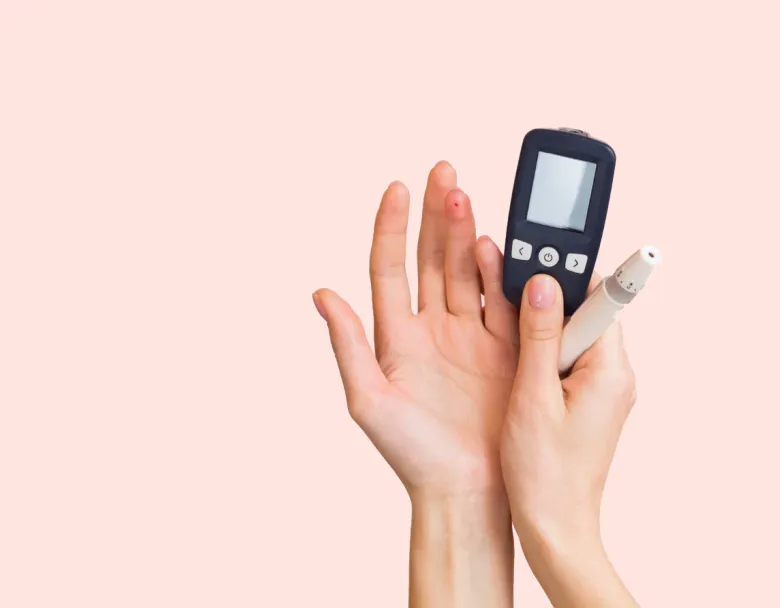
Intermittent fasting can be appealing if you have diabetes because it offers a clear eating schedule. But diabetes changes the question. The main issue is not whether fasting is popular or whether 16:8 sounds simple. The main issue is whether a longer gap without food fits your glucose pattern, medication timing, activity level, and risk of low blood sugar.
For some adults with type 2 diabetes or prediabetes, a carefully planned fasting routine may support weight loss or improve some short-term metabolic markers. For others, especially people using insulin or medicines that can cause low blood glucose, fasting can raise safety concerns. Do not use intermittent fasting to self-treat diabetes, replace medication, or delay care.
Key takeaways
- Intermittent fasting is an eating pattern that alternates fasting windows and eating windows. A 16:8 schedule means fasting for 16 hours and eating during an 8-hour window [1][4].
- Diabetes makes fasting more complicated because skipping or delaying meals can increase the risk of low blood glucose, especially with insulin, sulfonylureas, or meglitinides [2].
- People with type 1 diabetes, anyone using insulin, people with frequent lows, and people with hypoglycemia unawareness need medical guidance before considering fasting [1][2].
- What you eat during the eating window matters. CDC meal planning guidance emphasizes balanced meals, regular timing, carb awareness, nonstarchy vegetables, lean protein, and carb foods in appropriate portions [5].
- A 16:8 schedule is not automatically better than 12:12 or 14:10. Mayo Clinic notes that time-restricted eating may involve fasting up to 16 hours, but long-term effects are unclear and diabetes management can be affected [4].
- GoFasting can help you log fasting windows, weight, steps, calorie intake, and water intake while you review patterns. It should not be used as a medical safety tool or a substitute for diabetes care.
Can you do intermittent fasting if you have diabetes?
Maybe, but not casually. Diabetes is not one situation. A person with prediabetes who takes no glucose-lowering medication has a different risk profile from someone with type 1 diabetes, someone using insulin, or someone taking a medication that can cause low blood glucose.
Johns Hopkins notes that people with type 2 diabetes may benefit in some studies, but it also lists people with type 1 diabetes who take insulin among those who should not try intermittent fasting because of concern about unsafe hypoglycemia during fasting periods [1]. Harvard T.H. Chan also lists diabetes among conditions where intermittent fasting may not be appropriate, especially when regular food intake is needed because of medication effects [3].
The practical next step is simple: if you have diabetes, ask your clinician or diabetes care team before starting a fasting schedule. This is especially important if you use insulin, take sulfonylureas or meglitinides, have kidney disease, have a history of severe lows, are older, exercise heavily, drink alcohol, are pregnant or breastfeeding, or have a current or past eating disorder.
Why fasting can be riskier with diabetes
Low blood glucose is the key safety issue. NIDDK explains that, for many people with diabetes, low blood glucose means a reading below 70 mg/dL, though your personal threshold may differ [2]. Low glucose is more common in people with type 1 diabetes and in people with type 2 diabetes who take insulin or certain other diabetes medicines [2].
Fasting can increase that risk because your usual medication plan may be built around your usual meal timing. NIDDK specifically lists fasting while continuing medicines that lower glucose as a cause of low blood glucose [2]. Skipping or delaying meals, eating too few carbohydrates, increasing activity, drinking alcohol without enough food, or being sick can also contribute [2].
Pay attention to symptoms that come on quickly, such as shakiness, hunger, tiredness, dizziness, confusion, irritability, headache, fast or irregular heartbeat, or trouble seeing or speaking clearly [2]. Severe low blood glucose can lead to loss of consciousness or seizure and needs immediate treatment [2].
If fasting creates lows, near-lows, rebound overeating, fear around food, or repeated glucose swings, the answer is not to push through. Shorten the fast, return to regular meals, and talk with your care team.
Is a 16:8 intermittent fasting schedule a good fit for diabetes?
The 16:8 intermittent fasting schedule means you fast for 16 hours and eat during an 8-hour window. For example:
| 16:8 schedule | Eating window | Fasting window | Why it may or may not fit |
|---|---|---|---|
| Earlier window | 8 a.m.-4 p.m. | 4 p.m.-8 a.m. | May align with earlier meals, but can make dinner, family meals, and evening medication timing harder |
| Midday window | 10 a.m.-6 p.m. | 6 p.m.-10 a.m. | Often easier socially, but may still delay breakfast too long for some glucose patterns |
| Later window | Noon-8 p.m. | 8 p.m.-noon | Common online, but may mean skipping breakfast and eating more late in the day |
For diabetes, 16:8 should not be the default starting point. Mayo Clinic describes time-restricted eating as a pattern that can involve fasting up to 16 hours a day, but it also notes that intermittent fasting may affect diabetes management and can cause tiredness, dizziness, headaches, mood swings, constipation, and menstrual changes [4].
A gentler test is usually more sensible:
- Start with consistent meals and a 12-hour overnight fast if your care team agrees.
- Consider 14:10 only if glucose readings, meals, and symptoms stay stable.
- Try 16:8 only with a clear plan for medication timing, glucose monitoring, activity, and low-glucose treatment.
If you already wake up with low glucose, take morning medication with food, exercise early, or feel unwell when breakfast is delayed, 16:8 may be too restrictive.
What to eat during intermittent fasting with diabetes
The eating window is not a free period. It is where the plan either becomes safer and more nourishing or starts to work against you.
CDC diabetes meal planning guidance says a good meal plan should account for your goals, tastes, lifestyle, and medicines [5]. It recommends more nonstarchy vegetables, fewer added sugars and refined grains, and more whole foods. CDC also notes that carbohydrates raise blood sugar, and that eating carbs with protein, fat, or fiber slows how quickly blood sugar rises [5].
Build meals around:
- Nonstarchy vegetables, such as salad greens, broccoli, spinach, peppers, cucumbers, cauliflower, mushrooms, zucchini, or green beans
- Lean or protein-rich foods, such as eggs, fish, poultry, tofu, beans, lentils, Greek yogurt, cottage cheese, or lean meat
- Higher-fiber carb foods in planned portions, such as oats, beans, lentils, fruit, potatoes, brown rice, quinoa, whole-grain bread, or yogurt
- Healthy fats, such as olive oil, avocado, nuts, seeds, or fatty fish
- Water or low-calorie drinks, especially if fasting makes you forget to hydrate
The CDC plate method is a useful starting point: half a 9-inch plate with nonstarchy vegetables, one quarter with lean protein, and one quarter with carb foods [5]. This is not a personalized prescription, but it is a steadier model than saving most of the day for one oversized meal.
Example eating window for 16:8
If your care team agrees that 16:8 is reasonable, a midday window might look like this:
| Time | Meal idea | Why it helps |
|---|---|---|
| 10 a.m. | Eggs or Greek yogurt with berries, oats, or whole-grain toast | Combines protein, fiber, and planned carbohydrates |
| 2 p.m. | Chicken, tofu, beans, or fish with vegetables and brown rice, quinoa, potatoes, or fruit | Keeps carbs visible instead of accidental |
| 5:30 p.m. | Lentil soup, salmon with vegetables, or a turkey-and-avocado plate with a carb portion | Avoids ending the window with mostly refined snacks |
This is only an example. Your actual meals should match your medication plan, glucose targets, culture, budget, appetite, and clinical advice.
What can you drink while fasting?
During fasting hours, water is the simplest default. Johns Hopkins lists water, black coffee, and tea as common fasting-window options [1]. If you have diabetes, keep the wording "common options" in perspective. Caffeine, dehydration, medication timing, and symptoms can still matter.
Avoid using a fasting window as a reason to ignore low glucose. If your glucose is below your target or you have symptoms of hypoglycemia, treating the low takes priority over keeping the fast. NIDDK recommends taking 15 to 20 grams of glucose or carbohydrates right away when glucose is below target or less than 70 mg/dL, then rechecking after 15 minutes and repeating if needed [2].
Save calorie-containing drinks such as juice, regular soda, sweetened coffee drinks, milk, cream, smoothies, and alcohol for situations where they fit your meal plan, unless you are treating a low. Alcohol deserves extra caution because NIDDK notes it can make it harder to keep blood glucose steady, especially without enough food [2].
When fasting may not be the right fit
Intermittent fasting may not be appropriate if the eating schedule makes diabetes management less stable. Do not start fasting without medical guidance if you:
- have type 1 diabetes
- use insulin
- take sulfonylureas, meglitinides, or any medicine that can cause low glucose
- have frequent low glucose, severe low glucose, or hypoglycemia unawareness
- have kidney disease, heart disease, cognitive impairment, or other health conditions that affect safety
- are pregnant, trying to become pregnant, or breastfeeding
- are under 18
- are underweight, recovering from illness, or have a current or past eating disorder
- take medication that must be taken with food
Stop the fast and follow your diabetes care plan if you develop low glucose, fainting, severe dizziness, confusion, weakness, chest pain, vomiting, or symptoms that feel unsafe. Seek urgent help for severe symptoms, inability to treat yourself, or loss of consciousness.
This is also where product boundaries matter. A fasting tracker can help you remember when you started a fast, but it cannot tell you whether fasting is medically safe, adjust diabetes medication, diagnose low glucose, or replace glucose monitoring.
How to review your response without making fasting the goal
If your care team agrees that fasting is reasonable, treat the first two weeks as a stability check, not a willpower test.
Track the basics:
- fasting window start and end time
- meal timing and approximate carb pattern
- water intake
- glucose readings or CGM patterns, if you use them
- activity level
- weight trend, if weight is part of your care plan
- personal observations such as hunger, energy, sleep, mood, digestion, and food preoccupation
GoFasting can help you log fasting windows, weight, steps, calorie intake, and water intake. Keep glucose data and medication decisions with your diabetes tools and care team. Separately, use your personal observations to notice whether the routine feels stable or stressful.
After 7 to 14 days, ask:
- Did my glucose become more stable, less stable, or harder to predict?
- Did I have any lows or near-lows?
- Did I eat balanced meals, or did the window lead to rushed eating?
- Did I overeat when the fast ended?
- Did the schedule fit medication timing, work, family meals, and activity?
- Would a 12:12 or 14:10 schedule be safer and easier than 16:8?
If the routine only "works" when you ignore symptoms, skip necessary food, or feel anxious about breaking the fast, it is not working.
FAQ
Is intermittent fasting safe for diabetes?
It depends on the type of diabetes, medication plan, glucose history, and overall health. People using insulin or medicines that can cause low glucose need medical guidance because fasting can increase hypoglycemia risk [2].
Can intermittent fasting reverse diabetes?
Do not treat fasting as a way to reverse diabetes on your own. Some studies suggest fasting approaches may improve short-term glucose or weight-related markers in selected groups, but results do not apply to everyone and should not replace medical care [1][4][6].
Is 16:8 good for type 2 diabetes?
It may be possible for some adults with type 2 diabetes under clinical guidance, but it is not automatically the right schedule. If 16:8 causes low glucose, overeating, poor meal quality, or medication timing problems, a shorter fast or regular meal pattern may fit better.
What should I eat first after fasting with diabetes?
Start with a balanced meal instead of a large refined-carbohydrate meal. Include protein, nonstarchy vegetables, fiber-rich carbohydrates in a planned portion, and water. CDC notes that carbs raise blood sugar and that protein, fat, or fiber can slow how quickly blood sugar rises [5].
Can I drink coffee while fasting if I have diabetes?
Plain black coffee is commonly used during fasting windows [1]. Still, watch how caffeine affects your appetite, symptoms, hydration, and glucose pattern. Coffee with sugar, syrups, milk, or cream belongs in the eating window unless it is part of your clinician-approved plan.
Should I skip breakfast for intermittent fasting with diabetes?
Not automatically. Skipping breakfast can be a poor fit if you take morning medication with food, wake with low glucose, exercise early, or overeat later. An earlier eating window or a gentler 12:12 schedule may be more appropriate.
What breaks a fast?
Calories generally break a strict fasting window. But if you have diabetes, treating low blood glucose is more important than preserving the fast. Follow your care plan for lows and seek medical help when symptoms are severe.
Bottom line
Intermittent fasting with diabetes should be approached as a medical-context eating schedule, not a simple wellness challenge. A 16:8 schedule may look neat on paper, but your medication timing, glucose pattern, meals, activity, and low-glucose risk matter more than the number of fasting hours.
Start with your care team, not with the strictest schedule. If fasting is appropriate, begin gently, eat balanced meals during the eating window, monitor your response, and shorten or stop the fast when safety signs appear. GoFasting can support routine tracking, but diabetes safety decisions belong with your glucose data and qualified healthcare guidance.
Medical disclaimer
This article is for general education only and is not medical advice. Do not start, stop, or change diabetes medication or an eating schedule without guidance from a qualified healthcare professional. Seek urgent medical help for severe low blood glucose symptoms, loss of consciousness, seizure, chest pain, confusion, or symptoms that feel unsafe.
References
- Johns Hopkins Medicine. Intermittent Fasting: What Is It, And How Does It Work? https://www.hopkinsmedicine.org/health/expert-qa/intermittent-fasting-what-is-it-and-how-does-it-work
- National Institute of Diabetes and Digestive and Kidney Diseases. Low Blood Glucose (Hypoglycemia). Last reviewed July 2021 https://www.niddk.nih.gov/health-information/diabetes/overview/preventing-problems/low-blood-glucose-hypoglycemia
- Harvard T.H. Chan School of Public Health, The Nutrition Source. Diet Review: Intermittent Fasting for Weight Loss https://nutritionsource.hsph.harvard.edu/healthy-weight/diet-reviews/intermittent-fasting/
- Mayo Clinic. Intermittent fasting: What are the benefits? Published March 8, 2025 https://www.mayoclinic.org/healthy-lifestyle/nutrition-and-healthy-eating/expert-answers/intermittent-fasting/faq-20441303
- CDC. Diabetes Meal Planning. May 15, 2024 https://www.cdc.gov/diabetes/healthy-eating/diabetes-meal-planning.html
- Teong XT, Liu K, Vincent AD, et al. Intermittent fasting plus early time-restricted eating versus calorie restriction and standard care in adults at risk of type 2 diabetes: a randomized controlled trial. Nature Medicine. 2023;29:963-972. DOI: 10.1038/s41591-023-02287-7 https://www.nature.com/articles/s41591-023-02287-7