



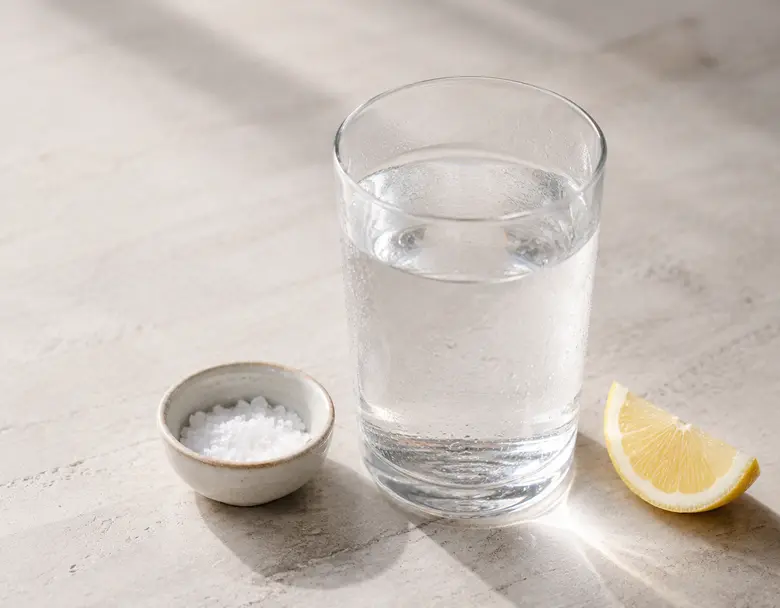
The best electrolytes for intermittent fasting are usually simple, low- or zero-calorie options that replace minerals without turning the fasting window into a snack. For many shorter fasts, plain water is enough. Electrolytes may be more relevant if you sweat heavily, exercise, follow a longer fasting window, eat very low carb, or feel worse when hydration is poor.
For a clean fast, avoid electrolyte products with sugar, juice, protein, collagen, MCT oil, or meaningful calories.
Key takeaways
- Plain water is the simplest fasting-window drink because it has no calories.[1]
- Electrolytes are minerals such as sodium, potassium, and magnesium that help with fluid balance, nerve function, and muscle function.[2][3][4]
- Choose unsweetened or very low-calorie electrolyte products if your goal is to keep the fasting window clean.
- People with kidney disease, heart disease, high blood pressure, diabetes, or medication questions should ask a clinician before using electrolyte supplements.
- Electrolytes do not make fasting safe for everyone and do not guarantee weight-loss results.
Table of Contents
What to look for in an electrolyte for fasting
| Product feature | Better choice during fasting | Be careful with |
|---|---|---|
| Calories | Zero or very low calorie | Sugar, juice powder, honey, maltodextrin, protein, collagen, MCT oil |
| Sodium | Modest amount, especially if sweating | High sodium if you have blood pressure, kidney, or heart concerns |
| Potassium | Small supplemental amount, clearly labeled | High-dose potassium without clinician guidance |
| Magnesium | Clearly labeled type and amount | Large doses that cause digestive upset |
| Sweeteners | Unsweetened if you want the cleanest option | Sweet flavors that increase cravings for you |
| Label clarity | Full Supplement Facts or Nutrition Facts panel | Proprietary blends with unclear amounts |
A fasting-friendly electrolyte should help hydration without adding a meal-like ingredient.
When electrolytes may be useful
Electrolytes may be worth discussing or trying carefully when:
- You sweat heavily in hot weather.
- You do long or intense activity and lose fluid through sweat.
- You are eating fewer processed foods and your sodium intake has dropped sharply.
- You follow a low-carb pattern that changes water and sodium balance.
- You notice headaches or sluggishness that improves with normal hydration and meals.
Hydration still comes first. Water, black coffee, and unsweetened tea are common fasting-window drink options, while fasting should be paired with caution because it is not for everyone.[5]
When to avoid self-prescribing electrolyte supplements
Do not treat electrolytes as a workaround for symptoms that need attention. Ask a qualified health care professional before using electrolyte supplements if you have:
- Kidney disease or reduced kidney function
- Heart disease or heart rhythm concerns
- High blood pressure or sodium restrictions
- Diabetes or blood sugar medication concerns
- A history of fainting, severe dizziness, or dehydration
- Medications affecting fluid, sodium, potassium, or blood pressure
- Pregnancy, breastfeeding, or a medical condition that changes nutrition needs
High-dose minerals can be risky in the wrong context. Potassium, sodium, and magnesium needs are not the same for every person.[2][3][4]
Fasting-window choices: use, limit, or save for later
| Option | During a clean fast? | Why |
|---|---|---|
| Plain water | Yes | No calories and simple |
| Sparkling water | Usually yes | Check for sweeteners or calories |
| Unsweetened electrolyte tablet or powder | Often yes | Check calories and mineral amounts |
| Sugar-free electrolyte drink | Depends | Low calorie, but sweet taste may affect cravings for some people |
| Sports drink with sugar | No | Calories and sugar belong in the eating window |
| Coconut water | No | Contains calories and carbohydrate |
| Bone broth | No for a clean fast | Contains calories and nutrients |
| Protein or collagen electrolyte mix | No | Protein/collagen belongs in the eating window |
If your fasting goal is metabolic strictness, keep the window simpler. If your goal is general routine consistency, a low-calorie electrolyte may still fit your personal plan, but it is not the same as a clean water-only fast.
How GoFasting can support hydration routines
GoFasting can help you log fasting windows and water intake, then review patterns as you adjust your routine. It can also help you track weight, steps, and calorie intake.
Tracking water intake may show whether low fluid intake is part of a difficult fasting day. It cannot diagnose an electrolyte problem or decide whether supplements are safe for you.
FAQ
Do electrolytes break intermittent fasting?
Plain, zero-calorie electrolytes usually do not add meaningful calories. Electrolyte products with sugar, juice, protein, collagen, MCT oil, or calories are better saved for the eating window.
What is the best electrolyte for intermittent fasting?
For many short fasts, water is enough. If you choose an electrolyte, look for a clearly labeled, unsweetened or very low-calorie product with modest mineral amounts.
Can I take magnesium while fasting?
Some magnesium supplements are calorie-free, but they can cause digestive side effects for some people. Ask a clinician if you have kidney disease, take medications, or are unsure about dosage.
Do I need electrolytes for 16/8 fasting?
Not automatically. Many people doing 16/8 can hydrate with water and eat balanced meals in the eating window. Electrolytes may matter more with sweating, heat, low-carb eating, or longer fasts.
Are sports drinks okay during intermittent fasting?
Most standard sports drinks contain sugar and calories, so they belong in the eating window unless a clinician gives different guidance for a specific situation.
Bottom line
Electrolytes can be useful in some fasting routines, but they are not required for every fast. Start with water, check labels carefully, avoid caloric blends during a clean fast, and get medical guidance if minerals or hydration are medically complicated for you.
Medical disclaimer
This article is for general educational purposes only and is not medical advice. Talk with a qualified health care professional before fasting or using electrolyte supplements if you have a medical condition, take medications, are pregnant or breastfeeding, have kidney, heart, blood pressure, or diabetes concerns, or feel unwell while fasting.
References
- CDC. About Water and Healthier Drinks https://www.cdc.gov/healthy-weight-growth/water-healthy-drinks/index.html
- NIH Office of Dietary Supplements. Potassium Fact Sheet for Health Professionals https://ods.od.nih.gov/factsheets/Potassium-HealthProfessional/
- NIH Office of Dietary Supplements. Magnesium Fact Sheet for Health Professionals https://ods.od.nih.gov/factsheets/Magnesium-HealthProfessional/
- FDA. Sodium in Your Diet https://www.fda.gov/food/nutrition-education-resources-materials/sodium-your-diet
- Johns Hopkins Medicine. Intermittent Fasting: What Is It, And How Does It Work? https://www.hopkinsmedicine.org/health/expert-qa/intermittent-fasting-what-is-it-and-how-does-it-work