



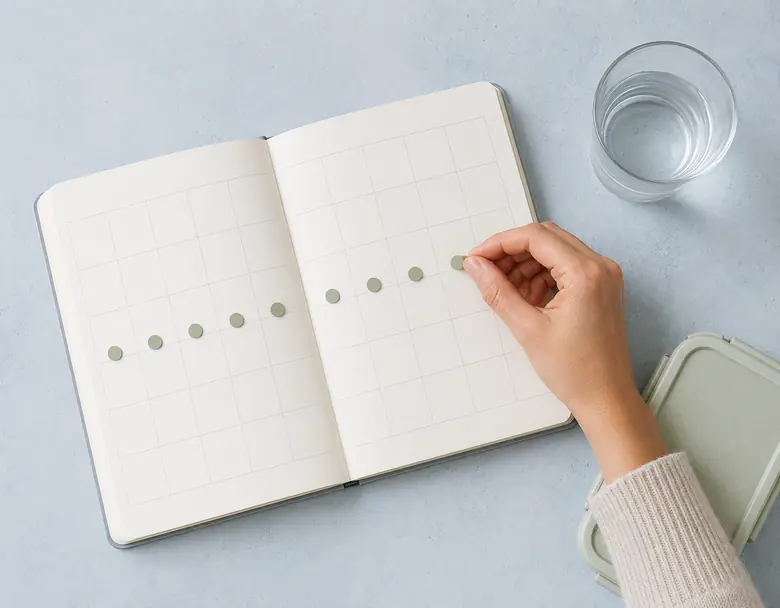
Intermittent fasting results vary widely. Some people notice a clearer routine within two weeks, while weight or body-composition changes may take longer and are not automatic. Research does not show intermittent fasting is clearly superior to traditional dietary advice for weight loss, and shortening the eating window alone may not be enough.[2]
A realistic results timeline should track more than the scale. Eating-window quality, total intake, drinks, sleep, stress, activity, medications, medical history, and consistency all affect what happens.[3][4]
Key takeaways
- Two-week results may reflect routine changes more than steady fat loss.
- One-month results are easier to judge if you track weekly trends, not single weigh-ins.
- Two-month results depend on whether the eating window supports a sustainable calorie pattern.
- Overcompensation with large meals, snacks, or sugary drinks can work against weight goals.[3]
- Severe, persistent, or unsafe symptoms should lead you to stop, shorten, or get qualified guidance.[5]
Table of Contents
What results can realistically mean
Intermittent fasting results are not only about weight. A useful review can include:
| Result area | What to look for |
|---|---|
| Routine | Are fasting and eating windows becoming easier to repeat? |
| Meals | Are you eating balanced meals instead of grazing? |
| Drinks | Are sugary drinks or alcohol affecting the eating window? |
| Weight trend | Are weekly averages changing over time? |
| Symptoms | Are headaches, dizziness, constipation, or mood changes appearing? |
| Fit | Does the schedule work with sleep, work, family, and medical needs? |
If a fasting plan creates more stress, overeating, or symptoms, those are results too. They mean the plan needs adjustment.
For more on whether fasting helps weight loss, read Does intermittent fasting really help you lose weight?.
Intermittent fasting results timeline
There is no universal timeline, but these checkpoints can help you evaluate the plan without overreacting to a single day.
| Time frame | What may happen | Better question to ask |
|---|---|---|
| First few days | Hunger timing, water changes, or schedule friction | Is the plan too aggressive? |
| Two weeks | Routine may feel clearer; weight may fluctuate | Am I overeating or undereating during the window? |
| 30 days | Trends become easier to see | Are meals, drinks, and fasting windows consistent? |
| Two months | Pattern quality matters more than novelty | Is this sustainable without symptoms or rebound eating? |
| Beyond two months | Long-term habits determine follow-through | Does the routine support my life and health needs? |
Gradual, steady weight loss is generally a more sustainable expectation than fast results.[4] NIDDK notes that realistic initial goals may be around 5% to 10% of starting weight within 6 months for some people in structured weight-loss programs, but goals should be tailored to health needs, preferences, medications, and medical conditions.[6]
Why results may stall
If intermittent fasting results stall, do not assume the answer is a longer fast. The issue may be the full routine.
Common reasons include:
- Eating larger portions during the eating window
- Grazing for the full eating window
- Sweetened coffee, soda, juice, alcohol, smoothies, or other calorie-containing drinks
- Meals that are low in protein or fiber and do not feel satisfying
- A fasting window that is too strict and leads to rebound eating
- Low sleep, high stress, low activity, or inconsistent routines
- Medications, medical conditions, or hormone-related factors that need clinical context
A time-restricted eating trial published in JAMA Internal Medicine found that time-restricted eating alone was not more effective for weight loss than eating throughout the day in that trial.[2] The practical takeaway is that the eating window alone is not the entire plan.
For more troubleshooting, read Why my body fat can't go down?.
What to adjust before fasting longer
Before extending the fasting window, improve the plan you already have.
| If this is happening | Try this first |
|---|---|
| You overeat at the first meal | Add protein, fiber-rich plants, and satisfying carbohydrates |
| You snack all evening | Set a clear last meal and planned snack, if needed |
| Drinks add calories | Replace sugary drinks with water, black coffee, or unsweetened tea |
| The schedule feels harsh | Move from 16:8 to 14:10 or 12:12 |
| You cannot see trends | Review weekly averages and routine consistency |
Water is the simplest fasting-window drink because it has no calories, and replacing sugary drinks with plain water can help reduce calorie intake.[7] Black coffee and unsweetened tea are common fasting-window options.[8]
For more detail, read What other drinks can you drink?.
When results should not be the main goal
Weight-loss results should not override safety. Do not treat fasting as a self-guided experiment if you have diabetes, take medications, have kidney disease, are pregnant or breastfeeding, are underweight, are recovering from illness or surgery, or have eating-disorder risk.[5]
Side effects can include tiredness, dizziness, headaches, mood changes, constipation, diabetes management issues, and menstrual effects.[9] If symptoms are persistent, severe, or feel unsafe, stop or shorten the fast and get medical guidance.
FAQ
What are typical intermittent fasting results after two weeks?
After two weeks, many changes are about routine: meal timing, late-night snacking, drink choices, and hunger patterns. Weight changes may happen, but they can also fluctuate because of water, meal timing, and normal scale variation.
What are typical intermittent fasting results after one month?
After one month, you can judge consistency more clearly. Look at weekly weight averages, meal patterns, drink choices, symptoms, and whether the fasting window is still realistic.
What are typical intermittent fasting results after two months?
After two months, results depend less on novelty and more on whether the routine supports balanced eating, fewer excess calories, sleep, activity, stress management, and long-term follow-through.[3][4]
Why am I not seeing weight loss results with intermittent fasting?
Common reasons include overeating during the eating window, sugary drinks, frequent snacks, low protein or fiber, poor sleep, high stress, low activity, inconsistent fasting windows, or medical factors that need clinical context.
Should I fast longer if I am not seeing results?
Not automatically. A longer fast can make rebound eating or symptoms worse. Adjust meals, drinks, consistency, and schedule fit before making the fasting window stricter.
Bottom line
Intermittent fasting results are personal and depend on the full routine, not just the fasting window. Use two weeks to assess fit, 30 days to review consistency, and two months to judge whether the pattern is sustainable. If results stall, adjust meals, drinks, sleep, activity, stress, and schedule fit before fasting longer.
Medical disclaimer
This article is for general educational purposes only and is not medical advice. Weight-loss needs and fasting safety vary by person. Speak with a qualified health professional before starting or changing a fasting routine if you have a medical condition, take medications, are pregnant or breastfeeding, are underweight, have eating-disorder history or risk, or develop symptoms that concern you.
References
- Lowe DA, Wu N, Rohdin-Bibby L, et al. Effect of Time-Restricted Eating on Weight Loss in Adults With Overweight and Obesity. JAMA Internal Medicine. 2020.
- Harvard Health Publishing. Should you try intermittent fasting for weight loss?
- CDC. Steps for Losing Weight
- Cleveland Clinic. 6 Tips for Fasting Safely
- NIDDK. Choosing a Safe & Successful Weight-loss Program
- CDC. About Water and Healthier Drinks
- Johns Hopkins Medicine. Intermittent Fasting: What Is It, And How Does It Work?
- Mayo Clinic. Intermittent fasting: What are the benefits?