

Advice

Fasting vs. Starving: What's the Difference and When to Stop
Fasting and starving are not the same thing. Fasting is a planned, time-limited break from food, usually followed by an...

Fat Fasting: What It Is and How It Differs from Intermittent Fasting
Fat fasting usually refers to a short, very high-fat, low-calorie eating pattern, often discussed in keto communities. I...
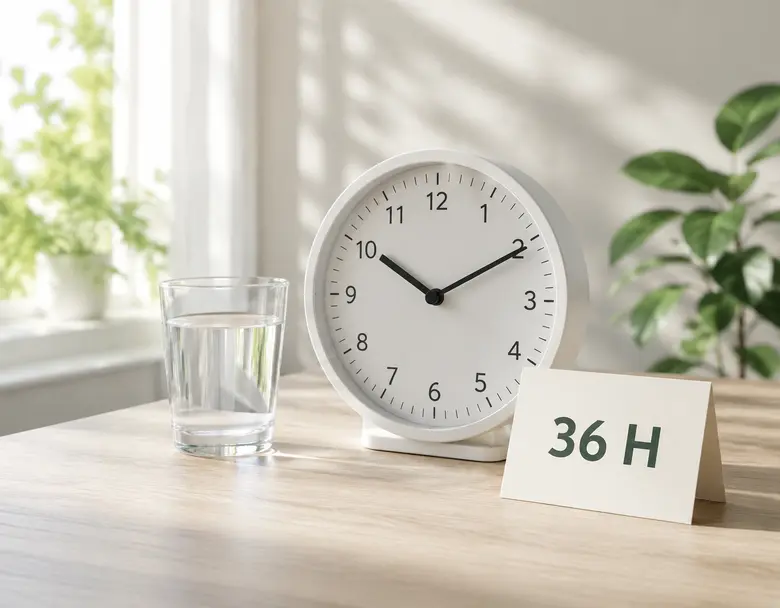
36-Hour Fast: What Happens, How to Prepare, and When to Stop
A 36-hour fast usually means going one full day plus two nights without calories. For example, you might finish dinner a...

48-Hour Fast: What to Expect, How to Prepare, and When to Stop
A 48-hour fast means going two full days without calories. Some people use it as a water fast or an extended fasting exp...
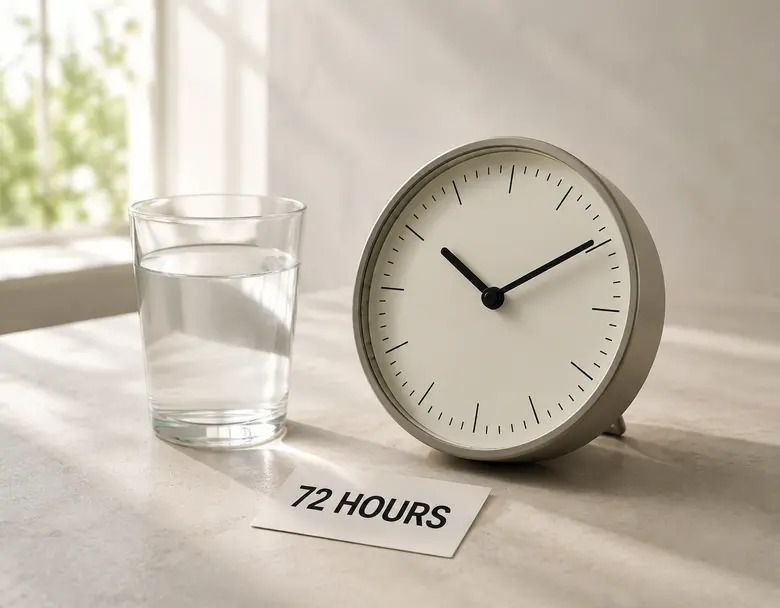
72-Hour Fast: What to Expect, Risks, and Who Should Avoid It
A 72-hour fast means going three full days without food. It is not a beginner fasting schedule, and it is not automatica...

Intermittent Fasting Benefits for Women: What May Help and What Is Still Unclear
Intermittent fasting may help some women create a simpler eating structure, reduce eating opportunities, and support wei...

Intermittent Fasting With Hashimoto's or Hypothyroidism: What to Ask Before You Start
There is no single "best" intermittent fasting plan for Hashimoto's or hypothyroidism. If you have thyroid disease or ta...
Intermittent Fasting and Gallbladder Health: What to Know Before You Try It
Intermittent fasting does not automatically cause gallbladder problems, but gallbladder health deserves caution when fas...

Intermittent Fasting for Hypoglycemia: What to Know Before You Skip Meals
If you have hypoglycemia or recurring low blood sugar, intermittent fasting is not a self-guided schedule decision. Low...

Intermittent Fasting for SIBO: What It Can and Cannot Do
Intermittent fasting should not be used as a treatment for SIBO. Meal spacing may be discussed as part of digestive rout...