



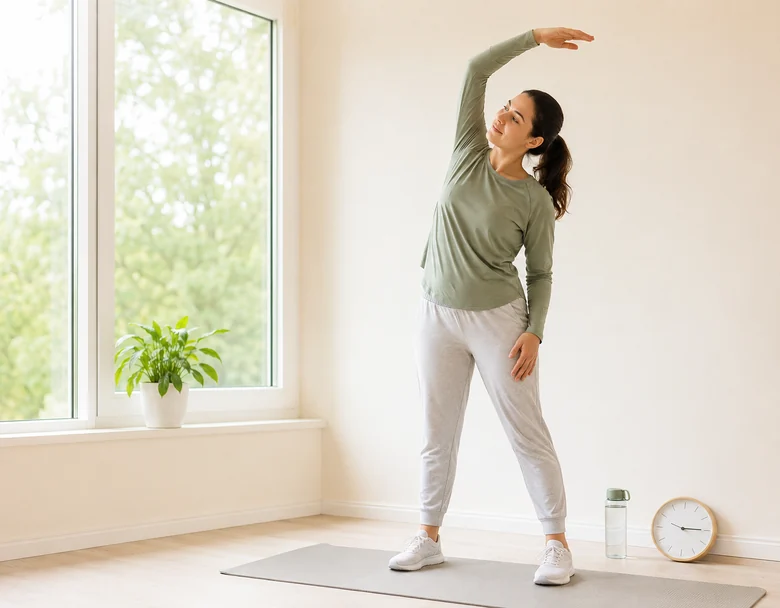
Light exercise while fasting can fit some routines, especially walking or gentle movement, but it should feel manageable. If fasting makes activity feel worse, the safer adjustment is usually timing, intensity, hydration, or the fasting plan itself, not pushing through symptoms.[1]
Stop exercising and change course if you feel dizzy, lightheaded, confused, nauseated, unusually weak, or unsafe.
Key takeaways
- Walking, gentle cycling, stretching, and easy mobility work are usually more reasonable than intense workouts during a fast.
- Hydration matters; exercise while fasting can raise dehydration and heat-illness risk, especially if water is restricted.[1]
- Do not use fasted workouts as proof that fasting is working better for fat loss.
- If you have diabetes, take medications, are pregnant or breastfeeding, or have a medical condition, ask a clinician before combining fasting and exercise.
- Step and fasting-window tracking can support routine awareness, but it does not track workouts or exercise safety.
Table of Contents
What counts as light exercise while fasting?
Light exercise should feel easy enough that you can slow down, talk, and stop without pressure.
| Activity | Fasting-friendly fit | Adjustment if it feels hard |
|---|---|---|
| Walking | Often a practical option | Shorten the walk or move it after a meal |
| Gentle cycling | Can work at low intensity | Keep it easy and avoid heat stress |
| Stretching or mobility | Usually low strain | Stop if dizzy when changing positions |
| Easy yoga | May fit some routines | Avoid heated or intense sessions while fasting |
| Light chores | Can count as movement | Take breaks and hydrate when water is allowed |
Some physical activity is better than none, and activity can be spread across the week.[2]
When to move exercise closer to food
Move activity into or near the eating window if:
- You feel weak or shaky during fasted movement.
- Your workout quality drops sharply.
- You get headaches, dizziness, nausea, or poor focus.
- You exercise in heat or sweat heavily.
- You cannot hydrate adequately.
- You need medication, carbohydrates, or a meal around activity.
Workout timing can be adjusted around eating and drinking windows.[1]
Warning signs during fasted exercise
Stop the activity and address the fast if you notice:
- Dizziness or lightheadedness
- Headache or poor focus
- Muscle cramps
- Nausea or vomiting
- Confusion
- Faintness
- Chest pain or severe weakness
- Symptoms that feel unsafe
Dehydration warning signs during fasting workouts can include dizziness, lightheadedness, headache, poor focus, muscle cramps, nausea, and vomiting.[1]
How to make fasting and light movement easier
Try these practical adjustments:
- Choose walking before intense training.
- Keep activity short until you know your response.
- Exercise in cooler parts of the day.
- Hydrate during windows when water is allowed.
- Eat a balanced meal after activity if you feel depleted.
- Avoid trying for personal records while fasted.
- Shorten the fasting window if movement repeatedly feels worse.
Adults generally need regular aerobic activity and muscle-strengthening activity, but the right timing and intensity depend on the person.[2]
Who should get guidance first?
Ask a qualified health care professional before combining fasting and exercise if you have diabetes, blood-sugar concerns, heart disease, kidney disease, blood pressure concerns, pregnancy, breastfeeding, underweight status, a history of an eating disorder, or medications that affect food, fluids, blood sugar, or blood pressure.[3][4]
If you use insulin or diabetes medicines, exercise and delayed meals can both affect low-blood-sugar risk.[4]
How tracking can support a lighter routine
GoFasting can help you log fasting windows, steps, weight, calorie intake, and water intake, then review patterns as you adjust your routine.
Use step and fasting-window patterns as general routine feedback, not as workout or exercise-safety data. Keep symptoms such as dizziness, nausea, or unusual weakness as personal observations that may need medical guidance.
FAQ
Is walking while fasting okay?
Walking may fit some fasting routines if it feels easy and you can hydrate when appropriate. Stop if you feel dizzy, weak, nauseated, or unsafe.
What is the best light exercise while fasting?
There is no single best choice for everyone. Walking, stretching, gentle cycling, and mobility work are common low-intensity options.
Should I exercise before or after eating while intermittent fasting?
If fasted exercise feels worse, move it closer to the eating window or after a balanced meal. Timing should support consistency and safety.
Can I do intense workouts while fasting?
This article focuses on light exercise. Intense training may need different nutrition, hydration, and timing support, especially for people with medical conditions or medications.
Should I stop fasting if exercise makes me dizzy?
Yes. Stop the activity and do not push through dizziness to finish a fasting window. Get medical help if symptoms are severe, repeated, or alarming.
Bottom line
Light exercise while fasting should feel easy and flexible. Start with walking or gentle movement, protect hydration, move activity near meals if needed, and stop when symptoms suggest the plan is not working safely.
Medical disclaimer
This article is for general educational purposes only and is not medical advice. Talk with a qualified health care professional before combining fasting and exercise if you have a medical condition, take medications, are pregnant or breastfeeding, are underweight, have an eating disorder history, or feel unwell. Seek urgent medical help for severe or alarming symptoms.
References
- Cleveland Clinic. Is It Safe to Work Out While You're Fasting? https://health.clevelandclinic.org/working-out-while-fasting
- CDC. Adult Activity: An Overview https://www.cdc.gov/physical-activity-basics/guidelines/adults.html
- Cleveland Clinic. 6 Tips for Fasting Safely https://health.clevelandclinic.org/tips-for-fasting-the-healthy-way
- CDC. Manage Blood Sugar https://www.cdc.gov/diabetes/treatment/index.html