


Intermittent Fasting, Lifestyle, and Energy: Exercise, Walking, Sleep, Fatigue, and Recovery
Intermittent fasting does not happen in isolation. Your fasting window interacts with exercise, walking, sleep, stress, work schedule, recovery, caffe...
Fasting, exercise, sleep and daily energy — fit into real life.


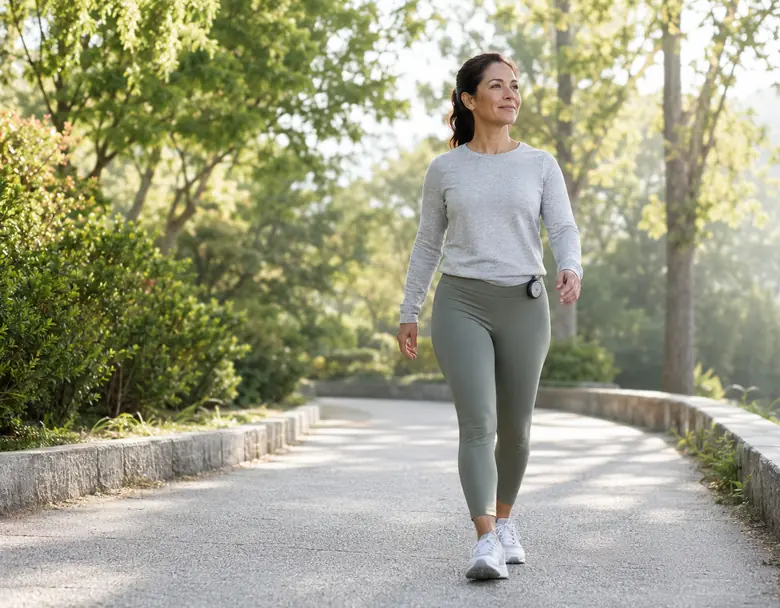

Intermittent fasting and weight training can coexist, but the fasting schedule should support—not compete with—your training. The key questions are wh...

Bedtime gratitude is a short reflection on a few things that went well, felt meaningful, or brought a little comfort during the day. It may help some...
Better sleep rarely comes from one perfect bedtime trick. For many adults, it begins with enough time for sleep, a schedule that is reasonably repeata...
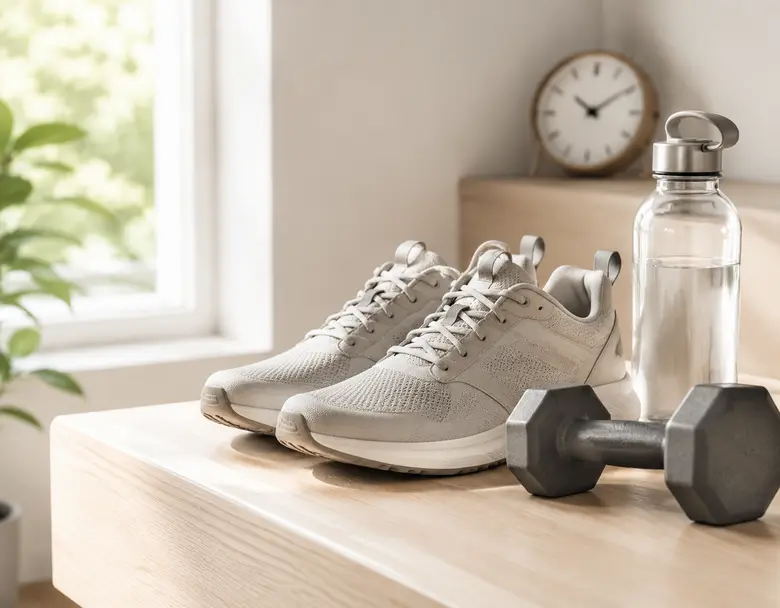
The best pre-workout for intermittent fasting is not one universal product. It depends on your fasting goal, the label, caffeine dose, sweeteners, ami...
Intermittent fasting and exercise can coexist, but the fasting window should not dictate training at the expense of performance, hydration, recovery,...

Intermittent fasting does not automatically cause muscle loss, but a calorie deficit, inadequate protein, insufficient resistance training, rapid weig...

Intermittent fasting can support sleep for some people when it reduces late-night eating, but it can also make sleep lighter or more difficult when th...

Fasted exercise can increase the proportion of fat used as fuel during a particular workout, especially after an overnight fast.[3] That immediate fue...

High-intensity interval training (HIIT) alternates short, hard efforts with easier recovery periods. It can be time-efficient and improve cardiorespir...
Intermittent fasting does not happen in isolation. Your fasting window interacts with exercise, walking, sleep, stress, work schedule, recovery, caffe...