


Intermittent Fasting for Women: Plans, Periods, Life Stages, PCOS, and Safety
Intermittent fasting for women should be approached with flexibility. The right fasting pattern can depend on age, menstrual cycle changes, stress, sl...
Across your cycle, perimenopause, pregnancy and PCOS — what to adjust.




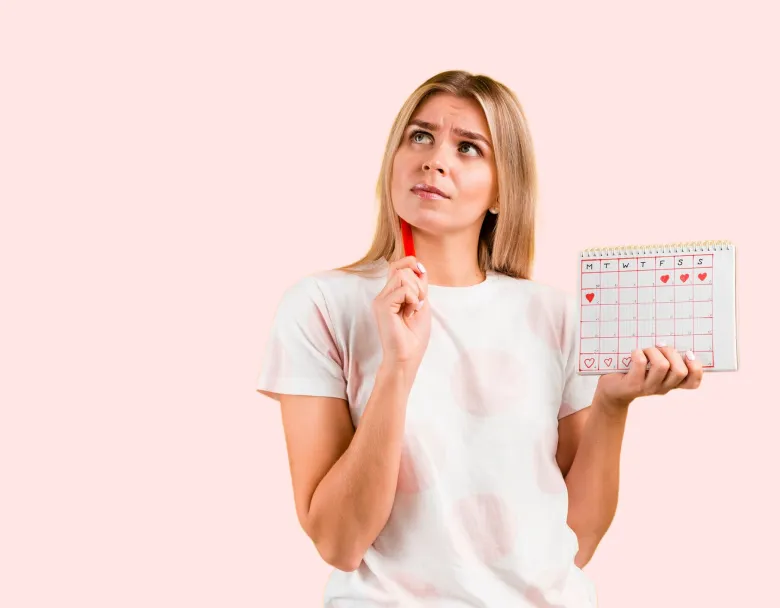
PMS can make intermittent fasting feel harder because appetite changes, food cravings, tiredness, sleep problems, mood changes, bloating, and discomfo...
There is no universal yes-or-no answer. Intermittent fasting is not a treatment for period pain, PMS, missed periods, or hormonal concerns, and there...
Intermittent fasting after menopause may be easier for some women than fasting during perimenopause because ovulation and menstrual cycles are no long...

Intermittent fasting for women over 60 should be approached more carefully than a generic beginner plan. A gentle 12:12 or 14:10 schedule may be more...
Intermittent fasting may help some women create a simpler eating structure, reduce eating opportunities, and support weight-management habits. But the...
Intermittent fasting should not be started as a self-guided weight-loss plan during pregnancy or breastfeeding. These life stages change energy, fluid...

Intermittent fasting for women over 40 or 50 should be cautious and individualized. Perimenopause and menopause can affect periods, sleep, mood, hot f...
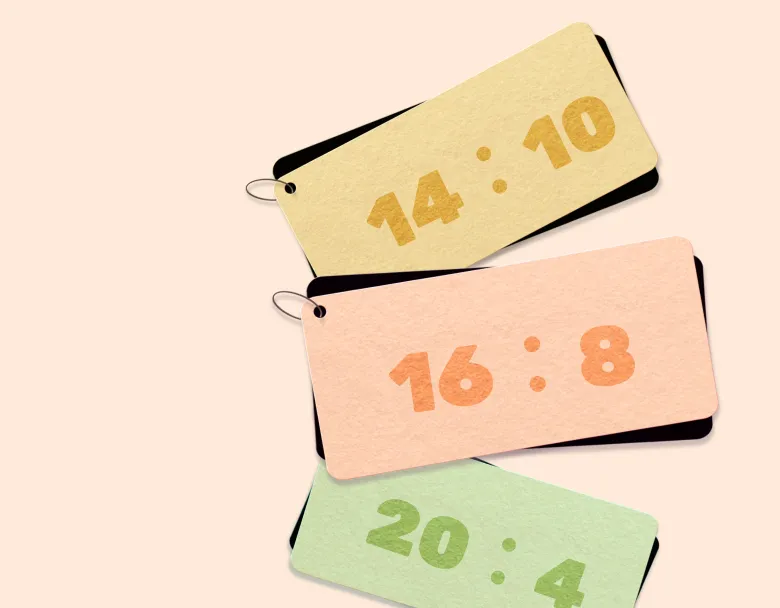
There is no single intermittent fasting schedule that is right for all women. If fasting is appropriate, a 12:12 or 14:10 pattern is a more cautious s...

Intermittent fasting is not one-size-fits-all for women. Menstrual patterns, fertility goals, pregnancy, breastfeeding, perimenopause, menopause, medi...
Intermittent fasting for women should be approached with flexibility. The right fasting pattern can depend on age, menstrual cycle changes, stress, sl...