



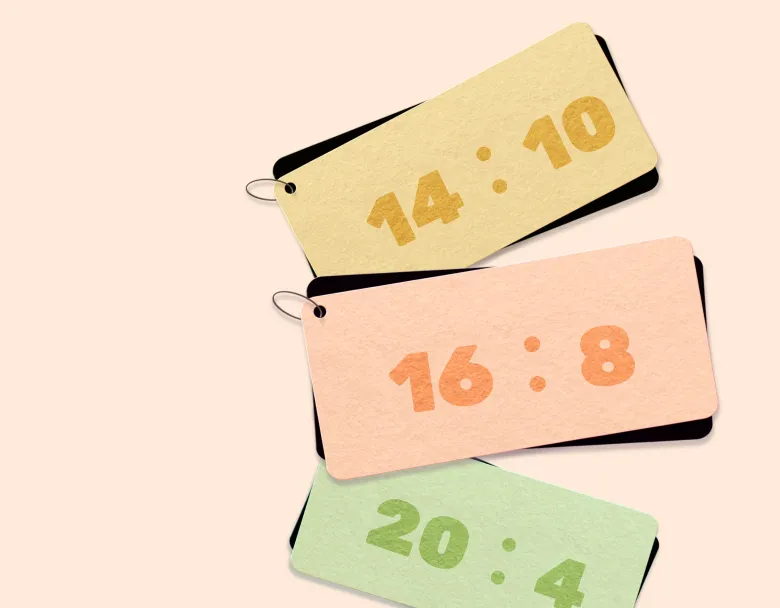
There is no single intermittent fasting schedule that is right for all women. If fasting is appropriate, a 12:12 or 14:10 pattern is a more cautious starting point than 16:8, 18:6, or longer fasts.[1][2] Choose a schedule only after considering life stage, menstrual symptoms, fertility, sleep, nutrition, medication, and medical history.
Key takeaways
- A schedule should support adequate meals and stable daily function, not test how long you can tolerate hunger.
- 12:12 and 14:10 leave more room for balanced meals than stricter windows.
- Pregnancy, breastfeeding, trying to conceive, diabetes, medication needs, and eating-disorder history require professional guidance.
- Period changes, dizziness, palpitations, worsening sleep, or food anxiety mean the plan should be paused or widened.
- Exact clock times are less important than a sustainable routine that fits your life.
Table of Contents
Schedules women may compare
| Schedule | What it means | Cautious interpretation |
|---|---|---|
| 12:12 | 12 hours fasting, 12 hours eating | Gentle overnight starting point |
| 14:10 | 14 hours fasting, 10 hours eating | More structure while preserving meal flexibility |
| 16:8 | 16 hours fasting, 8 hours eating | Consider only if shorter windows feel stable |
| 18:6 or longer | Six hours or less for eating | Not a default recommendation |
| 24-hour or multi-day fast | Full-day or longer restriction | Do not self-guide |
For general schedule selection, see How to Choose an Intermittent Fasting Schedule. This page focuses on women-specific cautions and schedule flexibility.
How life stage affects schedule choice
| Situation | Better next step |
|---|---|
| Regular cycles and no concerning symptoms | If appropriate, start with 12:12 and monitor response |
| Irregular cycles or fertility concerns | Pause and get qualified guidance |
| Pregnancy | Do not use fasting as a self-guided plan |
| Breastfeeding | Ask about calorie, fluid, and nutrient needs before restricting windows |
| Perimenopause | Account for changing sleep, mood, hot flashes, and cycles |
| Postmenopause | Protect protein, strength, nutrition, medication timing, and chronic-disease care |
| Diabetes or medication use | Use clinician-guided meal timing and glucose safety planning |
Pregnancy and breastfeeding change calorie, nutrient, and fluid needs, so fasting should not be self-guided in either context.[3][4]
Cycle and life-stage adjustments
The same schedule may feel different across a menstrual cycle or during perimenopause. Rather than treating this as a reason to push through, use changes in hunger, sleep, mood, hot flashes, training recovery, or period pattern as feedback. A wider eating window or a pause may be appropriate while you seek professional advice.
| Situation | Practical question |
|---|---|
| Regular cycle, stable energy and sleep | Can a gentle window be repeated without reducing meal quality? |
| Premenstrual hunger, poor sleep, or marked fatigue | Would a wider window or more food make the routine more stable? |
| Perimenopause or changing periods | Are sleep, hot flashes, mood, and cycle changes being tracked before changing the fast? |
| Training or high activity | Can meals and fluids support training and recovery without rushing? |
| Postmenopause | Are protein, strength training, bone health, and medication timing protected? |
How to start more cautiously
- Begin with 12:12 for about a week if a healthcare professional agrees fasting is appropriate.
- Move to 14:10 only if meals, sleep, mood, energy, digestion, and symptoms remain stable.
- Keep meals adequate and balanced; do not compensate for a shorter window by undereating.
- Track fasting time separately from observations such as cycle changes, hot flashes, mood, hunger, and sleep.
- Do not move to 16:8 because of social pressure or a short-term scale change.
When to pause the schedule
Pause and seek guidance for missed or changed periods, fertility concerns, dizziness, fainting, severe weakness, palpitations, worsening sleep, headaches, hot flashes, irritability, binge-restrict cycles, or anxiety around food. For urgent symptoms and stop signals, read Fasting Warning Signs: When to Stop and Get Help.
Food and drink basics
Use the eating window for protein, vegetables or fruit, fiber-rich carbohydrates, healthy fats, and sufficient fluids. Water is the simplest fasting-window drink; calorie-containing additions belong in the eating window for a strict fast. See What Can You Drink During Intermittent Fasting?.
FAQ
What intermittent fasting schedule is best for women?
There is no universal best schedule. If fasting is appropriate, 12:12 or 14:10 is usually a more cautious starting point than stricter windows.
Is 16:8 okay for women?
It may fit some women, but it is not a default. Try a gentler window first and stop if nutrition, sleep, cycles, symptoms, or eating behavior worsen.
Should women fast every day?
Not necessarily. The frequency should fit your health context and clinician guidance. A schedule that is difficult to repeat or causes symptoms is not a successful plan.
Should women fast during pregnancy or breastfeeding?
These are not standard self-guided fasting contexts. Calorie, nutrient, fluid, and medical needs require individualized advice. See Intermittent Fasting While Pregnant or Breastfeeding.
What if fasting affects my period?
Pause the fast and seek qualified guidance. Do not assume that extending or changing the fast will correct the problem.
Bottom line
Women’s fasting schedules should be gentle, flexible, and responsive to life stage and symptoms. Start with the least restrictive schedule that supports adequate nutrition and stable function, and get guidance when reproductive, medical, medication, or eating-disorder concerns apply.[1][2]
Medical disclaimer
This article is general educational information, not medical advice. Consult a qualified healthcare professional before fasting if you are pregnant, breastfeeding, trying to conceive, have menstrual or fertility concerns, diabetes, a medical condition, medication needs, eating-disorder history, or symptoms that concern you.
References
- Cleveland Clinic. How Intermittent Fasting Affects Women https://health.clevelandclinic.org/intermittent-fasting-for-women
- Johns Hopkins Medicine. Intermittent Fasting https://www.hopkinsmedicine.org/health/wellness-and-prevention/intermittent-fasting
- CDC. Maternal Diet and Breastfeeding https://www.cdc.gov/breastfeeding-special-circumstances/hcp/diet-micronutrients/maternal-diet.html
- Office on Women’s Health. Menopause basics https://womenshealth.gov/menopause/menopause-basics