


Intermittent Fasting: A Complete Guide to Schedules, Food, and Safety
Intermittent fasting is an eating pattern that alternates between periods of eating and periods without food. It focuses mainly on when you eat, but t...
Start here for schedules, safety, and answers — dietitian-reviewed.




Fasting and starvation are not interchangeable. Fasting describes a deliberate period with restricted food intake, while starvation and malnutrition i...
There is no evidence-based intermittent fasting schedule that age alone can prescribe. Age can matter because medications, nutrition needs, pregnancy...
Yes. In an everyday intermittent-fasting routine, sleep counts as part of your fasting window when you are not consuming calories. The clock starts af...
Intermittent fasting is an eating pattern that alternates between periods of eating and periods without food. It focuses mainly on when you eat, but t...
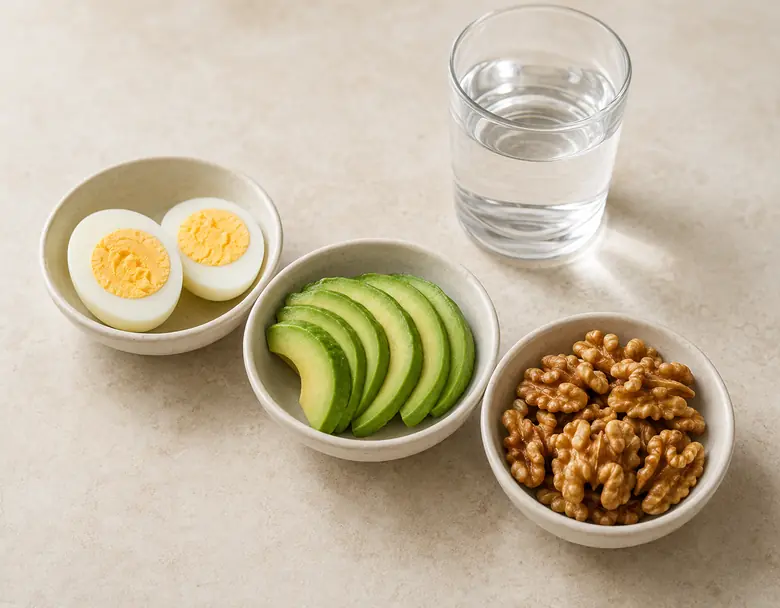
An intermittent fasting ketosis chart can show a general pattern: ketone levels may begin to rise as fasting continues, but there is no single hour wh...

Does intermittent fasting slow or permanently “ruin” your metabolism? It is not accurate to treat that as an automatic outcome of every fasting routin...

For most beginners, a 12:12 or 14:10 intermittent fasting schedule is a more realistic place to start than jumping straight to 16:8 or longer fasts. C...

There is no evidence that every healthy adult must eat breakfast to be healthy. But that does not mean long-term breakfast skipping has been proven ha...
If you accidentally eat or drink calories during a strict, calorie-free intermittent fast, that fasting window has ended. One bite does not erase your...
It depends on the formula and the purpose of your fast. Plain, unsweetened psyllium is different from a sweetened drink mix, gummy, or ready-to-drink...