


Intermittent Fasting: A Complete Guide to Schedules, Food, and Safety
Intermittent fasting is an eating pattern that alternates between periods of eating and periods without food. It focuses mainly on when you eat, but t...
Start here for schedules, safety, and answers — dietitian-reviewed.






The long-term effects of intermittent fasting depend on the schedule, food quality, health history, activity level, and whether the routine stays sust...
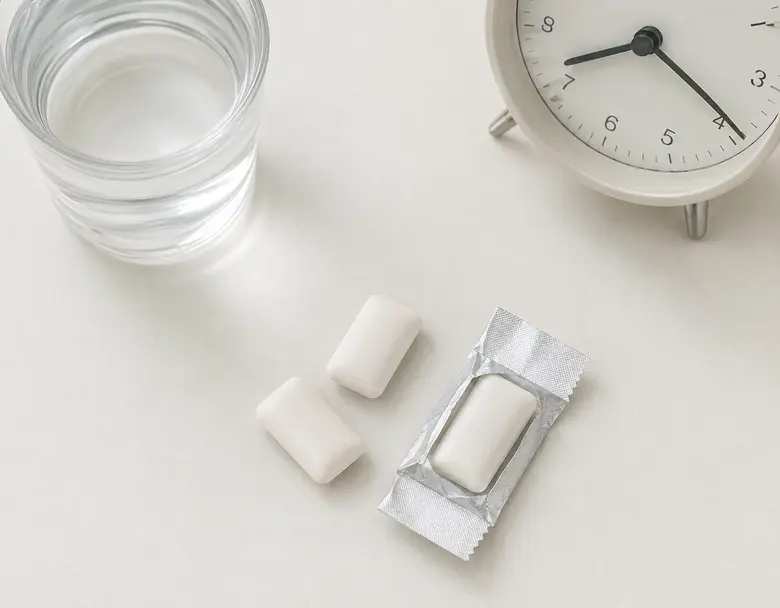
Regular gum with sugar belongs in the eating window. Sugar-free gum is a gray area: one piece may fit a flexible, practical intermittent fasting routi...

Intermittent fasting may help some adults create a consistent eating pattern and lose weight, but the benefits are not automatic and are not equally e...
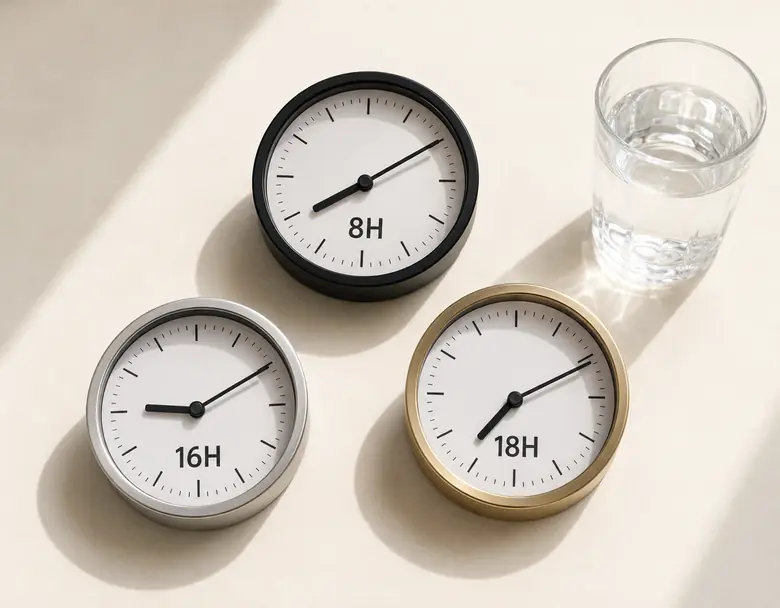
An intermittent fasting eating window is the part of the day when you eat. In a 16:8 schedule, you fast for 16 hours and eat within an 8-hour window....

Often, you should continue taking medication as prescribed while intermittent fasting. The important question is not whether a pill technically breaks...

To start intermittent fasting, choose a short fasting window you can repeat, keep fasting-window drinks simple, eat balanced meals, and adjust gradual...
Stop intermittent fasting immediately if you feel faint, confused, severely weak, unable to function normally, or unsafe. Chest pain, trouble breathin...
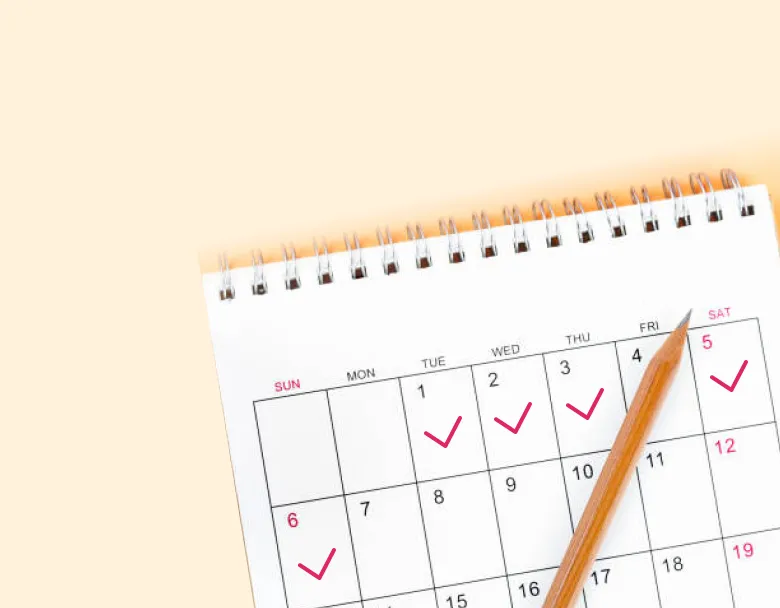
There is no single required fasting length for everyone. If you are new to intermittent fasting, a 12- to 14-hour overnight fast is a reasonable place...

The main benefit of 16/8 intermittent fasting is structure: you fast for 16 hours and eat within an 8-hour window, which can make meal timing simpler...

The best intermittent fasting book is not the one with the most dramatic promise. It is the one that explains fasting clearly, sets realistic expectat...