


Intermittent Fasting, Lifestyle, and Energy: Exercise, Walking, Sleep, Fatigue, and Recovery
Intermittent fasting does not happen in isolation. Your fasting window interacts with exercise, walking, sleep, stress, work schedule, recovery, caffe...
Fasting, exercise, sleep and daily energy — fit into real life.





There is no single number of steps a day that guarantees weight loss. Steps can help because walking increases the calories your body uses, but weight...
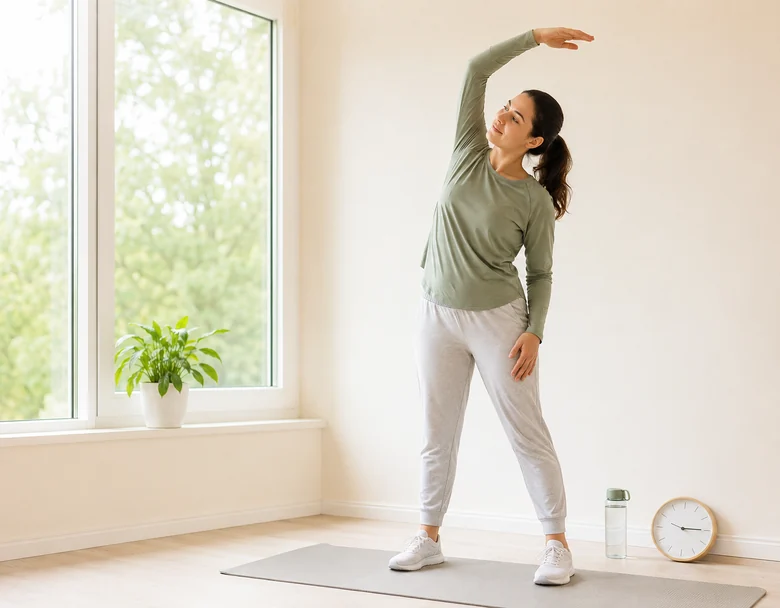
Light exercise while fasting can fit some routines, especially walking or gentle movement, but it should feel manageable. If fasting makes activity fe...

You can build muscle while intermittent fasting, but fasting itself does not build muscle. Muscle gain depends mainly on progressive resistance traini...
Feeling more tired during fasting is common, especially when you change your eating schedule suddenly. It may mean your body needs a gentler fasting w...
Stretching should feel like gentle tension, not pain. If you push too far, move too fast, or bounce at the end of a stretch, your body may respond by...

If you are new to exercise, the most useful move is not the "perfect" workout — it is picking something gentle enough that you will actually do it aga...

It depends on how long and how hard you plan to run. For a short, easy jog, running on an empty stomach is fine for many people, as long as you are hy...

For most healthy adults, no. Intermittent fasting does not require you to change your exercise routine. You can generally keep the same workouts, the...

Walking's biggest strength is not that it burns the most calories. Minute for minute, running actually burns more, and no terrain changes that. What m...

No, not really. The same workout burns roughly the same number of calories whether you do it fasted or after eating. How many calories you burn is dri...