

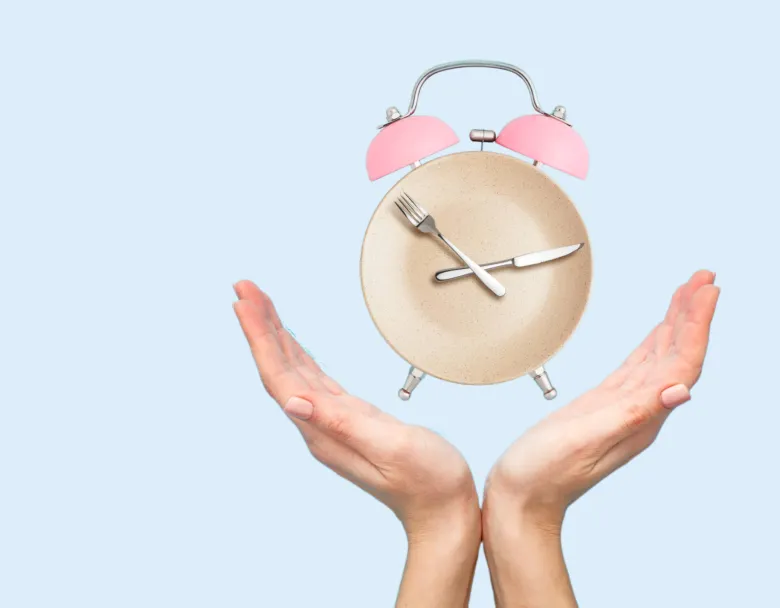
Stopping intermittent fasting does not mean you failed. Sometimes it means the schedule has started costing more than it gives back. If fasting is leading to ongoing fatigue, dizziness, anxiety around food, rebound eating, poor sleep, menstrual changes, medication problems, or a pattern that feels hard to control, it may be time to pause, adjust, or get professional guidance.
Key takeaways
- Stopping intermittent fasting does not mean you lacked discipline. It may mean the schedule no longer fits your body, health needs, stress level, or daily life.
- Some issues can improve with a gentler fasting window, better meal quality, more consistent hydration, or a less rigid routine.
- Some signs mean you should stop instead of pushing through, especially fainting, severe dizziness, eating disorder symptoms, menstrual disruption, medication conflicts, pregnancy, breastfeeding, or diabetes management concerns.
- Research does not show intermittent fasting is clearly superior for everyone, and long-term evidence is limited [5][6].
- If you stop, avoid swinging from strict fasting to chaotic eating. Rebuild regular meals, protein, fiber, sleep, movement, and stress management.
On this page
- Why people stop intermittent fasting
- Signs intermittent fasting may not be working for you
- When to stop instead of pushing through
- How to stop intermittent fasting without swinging to the other extreme
- What to try if you do not want to quit completely
- What to focus on instead of fasting hours
- How GoFasting can help you review patterns
- FAQ
- Bottom line
- Medical disclaimer
- References
Why people stop intermittent fasting
Intermittent fasting can look simple from the outside: eat during certain hours, fast during the rest. Common versions include 16/8 and 5:2 fasting. [1][6] But real life is rarely that tidy.
People often stop because the fasting window becomes harder to live with than expected. The first few weeks may involve an adjustment period, and some people feel better after settling in. [1] For others, symptoms do not fade.
People often quit because:
- They feel tired, dizzy, irritable, or unable to concentrate.
- They overeat or feel out of control once the eating window opens.
- Their sleep gets worse, especially if hunger or late meals interfere with rest.
- Their menstrual cycle changes or becomes irregular.
- They feel anxious about breaking a fast, eating socially, or eating outside the plan.
- Their workouts, workdays, caregiving schedule, or medication timing do not fit the fasting window.
- They realize a less rigid eating pattern may work better.
Intermittent fasting is one way to structure eating, not the only way to build a healthy routine. Mayo Clinic notes that calorie restriction may offer similar benefits, while long-term effects are still unclear. [2] Cochrane's 2026 review found that intermittent fasting may make little or no difference to weight loss or quality of life compared with traditional dietary advice in adults with overweight or obesity. [5]
In real life, that means you are allowed to reconsider fasting if it is making your life smaller, your eating more reactive, or your health harder to manage.
Signs intermittent fasting may not be working for you
These signs do not prove that fasting is the cause, but they are good reasons to pause and look more closely at what is happening.
| If this sounds familiar | What it may mean | What to do next |
|---|---|---|
| "I'm tired, dizzy, shaky, or lightheaded during fasts." | Your fasting window may be too long, meals may be too small, or fasting may not fit your health needs. Dizziness and tiredness are recognized possible side effects. [2][4] | Shorten the fast or pause. If dizziness is severe, recurring, or includes fainting, stop and seek medical guidance. |
| "I feel fine all day, then I overeat or binge when I can eat." | The fasting window may be creating a restrict-and-rebound cycle. | Stop strict fasting for now. Rebuild regular meals and consider support if eating feels out of control. |
| "I get anxious about eating before my window opens." | Fasting may be turning into food anxiety rather than a helpful structure. | Loosen the rules. If fear, guilt, or obsession around food is growing, stop and seek professional help. |
| "My period changed, became irregular, or stopped." | Your body may be responding to energy stress, weight change, training load, or another medical issue. Menstrual effects are a reported concern with fasting. [2] | Pause fasting and speak with a clinician, especially if the change persists. |
| "My sleep is worse since I started fasting." | Hunger, caffeine, stress, or late eating may be disrupting recovery. | Move toward earlier, steadier meals. Track your personal sleep observations separately from fasting hours. |
| "My medication schedule conflicts with fasting." | Some medications need food or careful timing. Fasting can complicate medication routines. [3][6] | Do not force the fast. Ask your healthcare provider how to time meals and medication. |
| "I have diabetes, low blood sugar episodes, or use glucose-lowering medication." | Fasting can affect glucose management and may be unsafe without medical supervision. [1][2][6] | Stop or get medical guidance before continuing. This is not a willpower issue. |
| "I can only maintain fasting by avoiding friends, family meals, or normal life." | The plan may be too rigid to be sustainable. | Try a flexible eating schedule or stop fasting and focus on meal quality, sleep, movement, and consistency. |
A good fasting plan should not require you to ignore repeated warning signs. It is one thing to feel hungry before lunch. It is another to feel faint, panicked, socially isolated, or trapped.
When to stop instead of pushing through
Some situations call for more than a small adjustment. Stop fasting and get guidance if any of the following apply:
- You are pregnant, trying to become pregnant, or breastfeeding.
- You are under 18.
- You have a current or past eating disorder, or fasting is triggering restrictive, bingeing, purging, or obsessive patterns.
- You have type 1 diabetes, use insulin, or take glucose-lowering medication.
- You have repeated low blood sugar, fainting, severe dizziness, or weakness.
- You are underweight, malnourished, or recovering from illness.
- You take medications that must be taken with food.
- You have a chronic condition where meal timing affects symptoms or treatment.
- Your menstrual cycle becomes irregular, stops, or changes in a concerning way.
- You feel unusually anxious, nauseated, or unwell while fasting.
Johns Hopkins specifically cautions that intermittent fasting is not appropriate for children and teens under 18, pregnant or breastfeeding people, people with type 1 diabetes who use insulin, and people with a history of eating disorders. [1] Harvard also lists diabetes, eating disorders, medications requiring food, adolescence, pregnancy, and breastfeeding as situations requiring avoidance or caution. [6]
Longer fasting is not automatically better. Johns Hopkins notes that 24-, 36-, 48-, and 72-hour fasts are not necessarily more beneficial and may be dangerous. [1] Cleveland Clinic also describes 24-hour methods as more likely to cause fatigue, headaches, irritability, hunger, low energy, nausea, weakness, and trouble concentrating. [3]
If fasting is already creating symptoms, extending the fast is usually the wrong experiment. Ask: "What is the least rigid routine that still helps me feel steady?"
How to stop intermittent fasting without swinging to the other extreme
If fasting has been your main structure, stopping can feel strangely unstructured. Build a simple bridge back to regular eating.
Start with these steps:
- Add one earlier meal or snack for a week.
If you were doing 16/8, try 14/10 or 12/12. If you skipped breakfast, add a small breakfast or protein-rich snack.
- Keep meals boringly reliable at first.
Aim for protein, fiber-rich carbohydrates, healthy fats, and enough fluids. You need meals that make your day more predictable.
- Avoid "make up for fasting" thinking.
Do not punish yourself for stopping or compensate by restricting harder the next day. If fasting led to rebound eating, your first job is regularity.
- Watch your personal observations for two to four weeks.
Notice your energy, sleep, mood, digestion, hunger, cravings, social flexibility, and menstrual cycle if relevant. These are personal observations, not app-based diagnoses.
- Get help early if eating feels hard to control.
Eating disorders are serious illnesses involving severe disturbances in eating behaviors, and signs can include fixation on weight, body shape, weight loss, or controlling food intake. [8] If fasting has made food feel scary or compulsive, seek support.
Stopping intermittent fasting may be the first step toward a routine you can actually live with.
What to try if you do not want to quit completely
Some people do not need to quit. They need a less aggressive version.
If symptoms are mild, temporary, and not connected to a high-risk situation, consider:
- Move from 16/8 to 14/10 or 12/12.
- Stop doing full-day fasts.
- Eat earlier in the day instead of saving most food for night.
- Keep fasting flexible on social, travel, or high-stress days.
- Avoid intense exercise deep into a fast if it leaves you weak or dizzy.
- Make your eating window big enough for complete meals.
- Stop using fasting to compensate for overeating.
- Take fasting breaks during illness, poor sleep, heavy training, or major stress.
Cleveland Clinic describes 14/10 and 16/8 as often safer bets for many first-time fasters than more extreme methods. [3] That does not mean they are ideal for everyone. It means a gentler schedule is usually more reasonable than longer fasts.
The useful test is: "Does this routine leave me steady, flexible, and able to eat enough?"
What to focus on instead of fasting hours
Fasting hours are easy to count. They are not the whole picture.
If you stop intermittent fasting, focus on basics that are easier to sustain:
- Regular meals that prevent extreme hunger.
- Protein and fiber at most meals.
- Enough water across the day.
- Consistent movement that fits your ability and schedule.
- Sleep that is protected rather than sacrificed.
- Stress management that does not rely on food rules.
- Gradual, realistic goals instead of dramatic resets.
The CDC emphasizes healthy eating patterns, regular physical activity, enough sleep, and stress management as part of healthy weight management. It also notes that gradual, steady weight loss of 1 to 2 pounds per week is more likely to be maintained than faster loss. [7]
Fasting is only one lever, and it may not be the best lever for you right now.
If your goal is weight management, a non-fasting approach can still be structured. You might plan meals, reduce grazing, build a walking routine, improve sleep consistency, or work with a registered dietitian.
How GoFasting can help you review patterns
GoFasting can help you look back at what you have actually been doing. You can log fasting windows, weight, steps, calorie intake, and water intake, then review patterns before deciding whether to shorten, pause, or adjust your routine.
The point is to notice patterns, not to decide on your own whether fasting is medically appropriate.
For example, you might review whether longer fasting windows happen on stressful workdays, whether water intake drops when you skip breakfast, or whether a shorter eating schedule is paired with less consistent calorie intake.
If you notice poor sleep, low mood, digestive changes, anxiety, hunger swings, or cycle changes, keep those personal observations in your own notes or discuss them with a professional.
FAQ
Is it bad that I stopped intermittent fasting?
No. Stopping can be a healthy decision if fasting is causing symptoms, stress, rebound eating, menstrual changes, or problems with medication, sleep, or daily life.
Will I gain weight if I stop intermittent fasting?
Not necessarily. Weight change depends on total intake, meal quality, movement, sleep, stress, health conditions, and medications. Research does not consistently show intermittent fasting is superior to continuous calorie reduction for weight loss. [6]
How long does it take to adjust to intermittent fasting?
Johns Hopkins says it can take two to four weeks to become accustomed to intermittent fasting. [1] But adjustment should not mean ignoring severe dizziness, fainting, food anxiety, bingeing, or medical warning signs.
Should I stop fasting if I feel dizzy?
Mild lightheadedness may happen, but recurring, severe, or fainting-related dizziness is a reason to stop and seek medical guidance. Dizziness is a commonly reported adverse event in fasting studies. [4]
Can intermittent fasting trigger binge eating?
It can for some people, especially if the fasting window creates intense restriction followed by feeling out of control around food. If that pattern is happening, pause fasting and consider support from a qualified professional.
Is 12/12 still intermittent fasting?
Yes, a 12-hour eating window and 12-hour fasting window can still be a time-based structure. It is often gentler than 16/8 and may be easier to combine with regular meals.
Who should not do intermittent fasting?
People who are pregnant or breastfeeding, under 18, have a current or past eating disorder, have type 1 diabetes using insulin, use glucose-lowering medication, are underweight, or take medications requiring food should avoid fasting or get guidance first. [1][6]
Bottom line
The best reason to stop intermittent fasting is simple: it is no longer helping you live, eat, function, or feel well.
Some people can solve the problem by shortening the fasting window. Others need to stop completely. If fasting is connected to dizziness, fainting, medication conflicts, diabetes management issues, menstrual changes, eating disorder symptoms, or growing anxiety around food, do not push through for the sake of a schedule.
Your eating routine should be flexible enough to support your health, relationships, and real life. If intermittent fasting cannot do that right now, pausing is a valid next step.
Medical disclaimer
This article is for general educational purposes only and is not medical advice. Intermittent fasting is not appropriate for everyone. Speak with a qualified healthcare professional before starting, continuing, changing, or stopping fasting if you have a medical condition, take medications, are pregnant or breastfeeding, are under 18, have a current or past eating disorder, have diabetes or blood sugar concerns, are underweight, or have symptoms such as fainting, severe dizziness, menstrual changes, or disordered eating patterns.
References
- Johns Hopkins Medicine. "Intermittent Fasting: What Is It, And How Does It Work?" Updated April 7, 2026 https://www.hopkinsmedicine.org/health/expert-qa/intermittent-fasting-what-is-it-and-how-does-it-work
- Mayo Clinic. "Intermittent fasting: What are the benefits?" Published March 08, 2025 https://www.mayoclinic.org/healthy-lifestyle/nutrition-and-healthy-eating/expert-answers/intermittent-fasting/faq-20441303
- Cleveland Clinic. "Intermittent Fasting: What It Is, Benefits and Schedules." Published January 26, 2026 https://health.clevelandclinic.org/intermittent-fasting-4-different-types-explained
- Zhong F, Zhu T, Jin X, et al. "Adverse events profile associated with intermittent fasting in adults with overweight or obesity: a systematic review and meta-analysis of randomized controlled trials." Nutrition Journal. 2024;23(1):72. DOI: 10.1186/s12937-024-00975-9 https://link.springer.com/article/10.1186/s12937-024-00975-9
- Cochrane. "Intermittent fasting for adults with overweight or obesity." 2026. DOI: 10.1002/14651858.CD015610.pub2 https://www.cochrane.org/evidence/CD015610_intermittent-fasting-traditional-dietary-advice-or-no-treatment-which-works-better-help-adults
- Harvard T.H. Chan School of Public Health, The Nutrition Source. "Diet Review: Intermittent Fasting for Weight Loss." https://nutritionsource.hsph.harvard.edu/healthy-weight/diet-reviews/intermittent-fasting/
- CDC. "Steps for Losing Weight." January 17, 2025 https://www.cdc.gov/healthy-weight-growth/losing-weight/index.html
- National Institute of Mental Health. "Eating Disorders." Last reviewed December 2024 https://www.nimh.nih.gov/health/topics/eating-disorders