



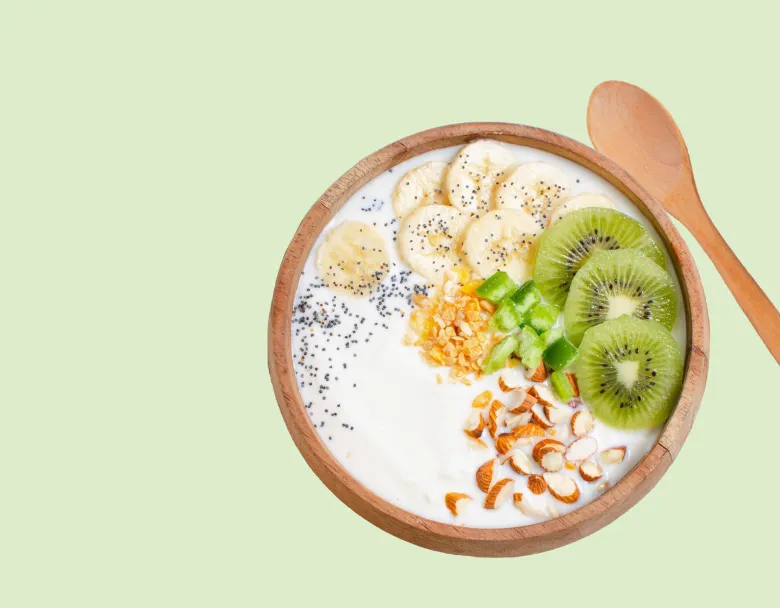
After a typical 12- to 16-hour intermittent fast, most healthy adults do not need a special refeeding ritual. A normal-sized, balanced meal eaten calmly is usually a sensible starting point.[3][4] Include a protein food, fiber-rich carbohydrate, vegetables or fruit, fluids, and enough food to feel satisfied without trying to “make up” for the fast.
Longer fasts are different. After roughly 24 hours, a smaller first portion may feel more comfortable. After several days of little or no food, reintroducing food can become a medical issue because of refeeding syndrome. Do not manage a prolonged fast or refeeding on your own.
Key takeaways
- A short daily fast and a multi-day fast should not be treated the same way.
- After 12–16 hours, a balanced, moderate meal is usually enough for a generally healthy adult.
- Eating very quickly, choosing a very large meal, or starting with food that regularly upsets your stomach can cause discomfort.
- After a fast of about 24 hours or more, a smaller first meal and slower progression may be easier to tolerate.
- After several days of undernutrition, refeeding syndrome can cause dangerous electrolyte shifts and needs medical supervision [1][2].
- Diabetes, medication use, pregnancy, breastfeeding, low body weight, illness, and eating-disorder history require extra caution.
Table of Contents
- Key takeaways
- What should you eat first after a short fast?
- How the length of the fast changes the approach
- How to break a fast of about 24 hours or more
- What to avoid as the first meal
- Refeeding syndrome: when a long fast becomes a medical issue
- Who should get medical guidance first?
- If you feel bloated or sick after eating
- FAQ
- Bottom line
- Medical disclaimer
- References
What should you eat first after a short fast?
For a normal intermittent fasting window, use a simple balanced-meal formula:
| Include | Examples | Purpose |
|---|---|---|
| Protein | Eggs, Greek yogurt, tofu, fish, chicken, beans, lentils, cottage cheese | Makes the meal more satisfying and supports overall nutrition |
| Fiber-rich carbohydrate | Oats, potatoes, fruit, beans, quinoa, brown rice, whole-grain toast | Provides energy and makes the meal more complete |
| Vegetables or fruit | Greens, tomatoes, peppers, berries, apples, citrus | Adds fiber, fluid, and micronutrients |
| Healthy fat | Olive oil, avocado, nuts, seeds, fatty fish | Adds flavor and staying power |
| Fluid | Water, unsweetened tea, or another suitable drink | Helps support hydration |
You do not need every category in a perfect ratio. The aim is a meal you can digest comfortably and repeat, not a “detox” or a reward meal.
Examples include:
- Greek yogurt with berries, oats, and nuts;
- eggs with vegetables and whole-grain toast;
- tofu scramble with potatoes and fruit;
- lentil soup with salad and olive oil;
- fish, rice, and vegetables;
- a chicken, bean, or tofu bowl with quinoa and avocado.
For more meal ideas that fit the eating window, see intermittent fasting meals for your eating window.
How the length of the fast changes the approach
| Fast length | Practical first step | Main concern |
|---|---|---|
| About 12 hours | Eat a normal balanced meal | Avoid arriving overly hungry and eating too fast |
| About 14–16 hours | Eat a balanced, moderate meal | Comfort and adequate nutrition |
| About 18–24 hours | Consider a smaller first portion if your stomach feels sensitive | Nausea, bloating, dizziness, or rebound eating |
| Several days with little or no food | Get medical guidance before and during refeeding | Refeeding syndrome and electrolyte shifts |
The table is general information, not a protocol. A fast’s risk depends on more than the clock, including baseline nutrition, weight loss, illness, alcohol use, medication, and health conditions.[3]
How to break a fast of about 24 hours or more
If a qualified professional has confirmed that the fast is appropriate, a cautious approach may be more comfortable:
- Start with fluids that fit your medical situation.
- Choose a small, easy-to-digest amount rather than a full, heavy meal.
- Eat slowly and notice nausea, cramping, dizziness, or unusual weakness.
- If you feel well, move to a moderate balanced meal later rather than eating a large catch-up meal.
- Keep the rest of the day steady and avoid compensating with a binge.
For a fast lasting several days, do not use this list as a self-directed refeeding plan. Clinical guidance may involve gradual calories, electrolyte assessment, and monitoring.
A practical progression for an extended fast
If a clinician has said that resuming food at home is appropriate, use the duration of the fast and your tolerance to guide the pace rather than following a universal “detox” meal:
| Situation | First step | Next step |
|---|---|---|
| About 18–24 hours, generally well | Water, then a modest balanced meal | Eat normally later if comfortable; avoid a large catch-up meal |
| About 24–48 hours or a sensitive stomach | A small portion of soup, yogurt, soft fruit, eggs, or another familiar easy-to-digest food | Reassess after about 30–60 minutes, then add a moderate meal if you feel well |
| Several days with very little or no food | Do not use a self-directed meal schedule | Contact a clinician before refeeding; the pace may need monitoring and individualized electrolyte care |
The examples are options, not a required menu. A person who has diabetes, taken medication during the fast, lost substantial weight, or had very little nutrition before the fast should not rely on the table alone.
What to avoid as the first meal
No food is automatically forbidden after a short fast, but these choices commonly make discomfort or overeating more likely:
- a very large meal eaten quickly;
- a meal dominated by candy, pastries, or sugary drinks;
- alcohol as the first intake;
- greasy or very rich food if it usually upsets your stomach;
- coffee alone when you are already hungry or jittery;
- a very small “safe” meal that leaves you repeatedly overeating later.
This is about comfort and adequacy, not food morality. If a food works well for you in a balanced meal, there is no need to label it universally bad.
Refeeding syndrome: when a long fast becomes a medical issue
Refeeding syndrome can occur when nutrition is reintroduced after prolonged undernutrition. The return of food, particularly carbohydrate, can shift phosphate, potassium, and magnesium into cells, causing blood levels to fall. These electrolytes are important for the heart, muscles, and nervous system, so severe cases can be dangerous [1][2].
Risk is higher with little or no intake for many days, significant unintentional weight loss, very low body weight, or existing electrolyte abnormalities. If you have been undernourished or are planning a multi-day fast, consult a clinician before deciding how to resume eating.
Seek urgent help after a prolonged fast for a racing or irregular heartbeat, severe weakness, confusion, fainting, shortness of breath, swelling, severe muscle cramps, or other alarming symptoms. Do not try to correct those symptoms by changing the fasting timer.
Who should get medical guidance first?
Ask a qualified healthcare professional before starting or changing fasting if you:
- have diabetes or use insulin or glucose-lowering medication;
- take medication that must be taken with food;
- are pregnant or breastfeeding;
- are under 18, underweight, or recovering from illness;
- have kidney, liver, gastrointestinal, or other chronic disease;
- have a current or past eating disorder;
- are experiencing repeated dizziness, fainting, vomiting, or difficulty eating.
The medication and intermittent fasting guide explains why meal timing and medication should be reviewed together.
If you feel bloated or sick after eating
After a short fast, discomfort is often linked to portion size, eating speed, food richness, carbonation, sudden fiber changes, or arriving extremely hungry. Try slowing down, using a moderate portion, and building a balanced meal rather than only sweets or fried food.
Persistent, severe, or unusual symptoms are not something to push through. Pause the routine and seek advice, especially after a long fast or if you have a medical condition.
FAQ
What is the best food to eat after fasting?
After a normal daily fast, choose a balanced meal with protein, fiber-rich carbohydrates, vegetables or fruit, fluids, and a portion size that feels comfortable. There is no single magic food.
Can I eat normally after a 16:8 fast?
For most healthy adults, yes. A normal balanced meal is generally reasonable; eat calmly and avoid treating the eating window as a reason to binge.
Should I eat a small meal after fasting?
After 12–16 hours, a normal moderate meal is usually fine. After about 24 hours or more, a smaller first portion may be more comfortable. After several days of little or no food, get medical guidance.
How long should I wait before a full meal?
After a short daily fast, you generally do not need to wait. After a longer fast, a clinician may recommend a gradual approach. Do not use a fixed waiting time as a substitute for medical supervision after prolonged undernutrition.
Is fruit good after fasting?
Fruit can fit well after a short fast, especially alongside protein or another balanced meal component. Fruit alone may not provide enough fullness or overall nutrition for everyone.
Is breaking a multi-day fast dangerous?
It can be. Reintroducing food after prolonged undernutrition may trigger refeeding syndrome, a potentially serious electrolyte problem. Multi-day fasting and refeeding should be medically supervised [1][2].
Bottom line
For a typical 12–16-hour fast, break the fast with a calm, balanced meal rather than a large reward meal. For longer fasts, increase caution according to the duration and your health context. If the fast lasted several days or you have medical risk factors, seek professional guidance before resuming food.
Medical disclaimer
This article is for general education only and is not medical advice. Talk with a qualified healthcare professional before starting or breaking an extended fast, or before fasting if you are pregnant, breastfeeding, under 18, taking medication, managing diabetes, underweight, recovering from illness, or have an eating-disorder history.
References
- Mehanna HM, Moledina J, Travis J. Refeeding syndrome: what it is, and how to prevent and treat it. BMJ https://pmc.ncbi.nlm.nih.gov/articles/PMC2440847/
- National Institute for Health and Care Excellence. Nutrition support for adults: oral nutrition support, enteral tube feeding and parenteral nutrition https://www.nice.org.uk/guidance/cg32
- Johns Hopkins Medicine. Intermittent Fasting: What Is It, And How Does It Work? https://www.hopkinsmedicine.org/health/expert-qa/intermittent-fasting-what-is-it-and-how-does-it-work
- Mayo Clinic. Intermittent fasting: What are the benefits? https://www.mayoclinic.org/healthy-lifestyle/nutrition-and-healthy-eating/expert-answers/intermittent-fasting/faq-20441303