



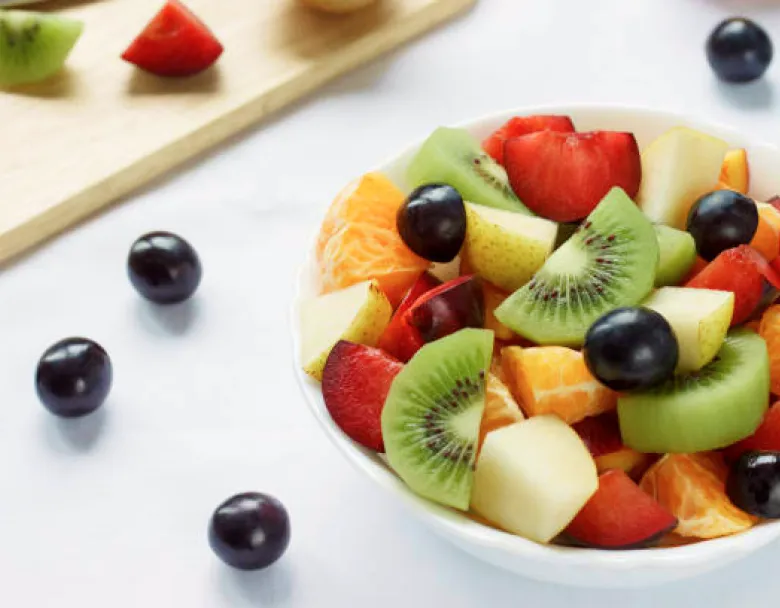
Short answer: No. Fruit breaks a strict, calorie-free fast because it contains calories and carbohydrates. If you want to keep your fasting window calorie-free, save fruit for your eating window.
The answer may be different if you follow a flexible fasting routine, a reduced-calorie fasting plan, a medical fast, or a religious fast. Always follow the specific rules for the type of fast you are doing.
Fruit is nutritious, but it still contains calories and carbohydrates. If you are following a strict fasting window, eating fruit breaks the fast. If you are in your eating window, fruit can be a good part of a balanced meal or snack, especially when paired with protein, fiber-rich foods, or healthy fats.
For a broader overview of food choices during intermittent fasting, see Eating and Nutrition for Intermittent Fasting.
Key takeaways
- Whole fruit breaks a strict fast because it contains calories and carbohydrates.
- During fasting hours, water is the simplest default. Johns Hopkins lists water, black coffee, and tea as common fasting-window options [1].
- During eating windows, fruit can fit well with protein, fiber, and healthy fats.
- Fruit juice, smoothies, and dried fruit also contain calories, so they belong in the eating window during a strict fast.
- If you have diabetes, take medication, are pregnant or breastfeeding, have a history of disordered eating, or feel unwell while fasting, ask a qualified healthcare professional before changing your routine.
Table of Contents
- Key takeaways
- Quick guide: Can you eat fruit during a fast?
- Does fruit break a fast?
- What can you have during the fasting window?
- When fruit works well during intermittent fasting
- Better fruit choices for eating windows
- Is fruit juice okay while fasting?
- What about lemon water or fruit-infused water?
- What if hunger makes you want fruit during the fast?
- Is fruit a good first meal after fasting?
- What if you accidentally eat fruit during a fast?
- How should you decide based on your goal?
- FAQ
- How GoFasting can help
- Bottom line
- Medical disclaimer
- References
Quick guide: Can you eat fruit during a fast?
| Fasting approach | Can you eat fruit during the fasting window? | Practical guidance |
|---|---|---|
| Strict, calorie-free intermittent fasting | No | Keep fruit for the eating window. |
| Flexible fasting routine | It depends on your personal rule | Decide in advance whether your plan allows calories during fasting hours. |
| Reduced-calorie or modified fasting day | It depends on the plan | Follow the calorie and food limits of that plan. |
| Medical or procedure-related fast | Do not decide on your own | Follow the instructions from your clinician or medical facility. |
| Religious fasting | It depends on the specific practice | Follow the rules of the relevant tradition. |
For everyday intermittent fasting, the clearest definition is simple: food belongs in the eating window, and the fasting window is calorie-free.
Does fruit break a fast?
Yes, fruit breaks a strict fast. An apple, banana, orange, berries, grapes, mango, or dried fruit all provide energy. That is not a bad thing. It just means fruit belongs in the eating window if your goal is to keep the fasting window calorie-free.
This distinction matters because many people think of fruit as "clean" or "healthy" and assume it does not count. Fruit can absolutely be part of a healthy eating pattern. It is still food.
If your fasting style is flexible, you may choose to have a small amount of fruit and still consider the routine useful for your life. But for a standard intermittent fasting schedule, fruit is best treated as eating-window food.
For a wider list of foods, drinks, and supplements that may affect a fast, see What Breaks an Intermittent Fast?.
What can you have during the fasting window?
Most fasting-window guidance is simple: choose non-calorie drinks. Johns Hopkins lists water, black coffee, and tea as common options during fasting periods [1].
Common fasting-window choices:
- water
- plain sparkling water
- black coffee
- unsweetened tea
Foods and calorie-containing drinks generally break a strict fast:
- whole fruit
- dried fruit
- fruit juice
- smoothies
- coffee with milk, cream, sugar, or syrup
- sweetened tea
- snacks or small bites of food
If you are fasting for medical, religious, clinical, or procedure-related reasons, follow the instructions from the relevant clinician or authority. This article is about everyday intermittent fasting routines.
When fruit works well during intermittent fasting
Fruit fits best during the eating window. It can help meals feel fresher, add fiber and fluid, and satisfy a sweet taste without turning the eating window into mostly desserts or sweet drinks.
Try fruit:
- with Greek yogurt, cottage cheese, eggs, tofu, or another protein source
- with oats, chia seeds, or whole-grain toast
- with nuts, seeds, or nut butter
- after a balanced meal rather than as the only food after a long fast
- as part of a planned snack between two meals
Harvard Health notes that the quantity and quality of food during the eating window still matter during intermittent fasting [2]. In practice, fruit is usually more helpful when it is part of a meal pattern, not the only thing you eat all day.
For broader guidance on choosing food during the eating window, see How to Choose Healthy Food While Fasting.
Better fruit choices for eating windows
There is no single best fruit for intermittent fasting. The better choice is the one that fits your meal, appetite, digestion, and goals.
| Fruit option | Why it can work | Pairing idea |
|---|---|---|
| Berries | Easy to add to breakfast-style meals | Greek yogurt, oats, cottage cheese |
| Apple or pear | Portable and filling for many people | Peanut butter, cheese, nuts |
| Orange or grapefruit | Juicy and refreshing | Eggs, toast, tofu scramble |
| Banana | Useful when you need quick energy | Yogurt, oats, nut butter |
| Kiwi or melon | Light and hydrating | Protein-rich meal or snack |
Dried fruit is still fruit, but it is more concentrated. A small handful can contain the sugar and calories of much more whole fruit. It can fit, but it is easier to overshoot without noticing.
Is fruit juice okay while fasting?
Fruit juice breaks a strict fast. It also tends to be less filling than whole fruit because it removes or reduces much of the chewing and fiber experience. If you enjoy juice, keep it in the eating window and consider having it with a meal rather than sipping it throughout the day.
Smoothies also belong in the eating window. A smoothie can be nutritious, but it is still food. If you use smoothies, include protein and avoid turning them into mostly juice, sweeteners, and large fruit portions.
What about lemon water or fruit-infused water?
A small squeeze of lemon in water is often used in flexible fasting routines, but it is not the same as plain water. If your priority is a strict, calorie-free fast, plain water is the clearest option.
For a more specific discussion of lemon and turmeric water, see Can You Drink Lemon or Turmeric Water While Fasting?.
What if hunger makes you want fruit during the fast?
Wanting fruit during a fast may simply mean you are hungry. First, check the basics:
- Did you eat enough during your last eating window?
- Did your last meal include protein?
- Did you include fiber-rich carbohydrates or vegetables?
- Did you drink enough water?
- Is your fasting window too long?
If hunger is mild and you feel otherwise steady, water, unsweetened tea, or black coffee may help you continue. If hunger feels intense, distracting, or followed by overeating, the fast may be too long. Eating fruit and shortening the next fasting window is more useful than turning fasting into a willpower contest.
Stop or shorten the fast if you feel faint, severely dizzy, confused, weak, shaky, or unwell. If you have diabetes, take medication that requires food, or have a history of disordered eating, get professional guidance before fasting [1][3].
Is fruit a good first meal after fasting?
Fruit can be part of your first meal, but fruit alone may not be satisfying for everyone after a longer fast. If you feel hungry again quickly, try pairing fruit with a protein-rich or fiber-rich food.
The best first meal also depends on how long you fasted and how your body feels. If you often experience bloating, nausea, dizziness, or strong hunger after fasting, consider shortening the fasting window instead of trying to push through it.
For more ideas, see Best First Meal After Fasting: Gentle Foods and Simple Meal Ideas.
What if you accidentally eat fruit during a fast?
Eating fruit during a strict fast means that the fast has ended. It does not mean that the entire day is ruined.
You can:
- Stop treating the situation as a failure.
- Record what happened if you track your routine.
- Continue eating normally within your eating window.
- Choose a realistic next fasting window rather than compensating with a much longer fast.
If accidental eating happens often, your fasting window may be too long, your previous meal may not be satisfying enough, or your schedule may not fit your daily routine.
For a more detailed recovery plan, see What If You Accidentally Eat During a Fast?.
How should you decide based on your goal?
If your priority is a strict calorie-free fast
Keep fruit, juice, smoothies, and other foods inside the eating window. Choose calorie-free drinks during the fasting window if they fit your routine.
If your priority is weight management
Fruit can be part of a balanced eating window. The main question is not whether fruit is "allowed," but whether your overall intake, meal pattern, and schedule support a routine you can maintain.
If your priority is a simple daily schedule
Use the eating window as the place for meals and snacks, including fruit. A clear rule is often easier to follow than trying to decide whether each bite is "small enough" to count.
If you have a medical condition or take medication
Do not change your fasting routine based only on a general article. Ask a qualified healthcare professional, especially if you have diabetes, take medication that requires food, are pregnant or breastfeeding, are under 18, are underweight, or have a current or past eating disorder.
FAQ
Can I eat an apple while fasting?
Not during a strict fasting window. An apple contains calories and carbohydrates, so it breaks the fast. It can be a good eating-window food.
Do berries break a fast?
Yes. Berries are nutritious, but they still contain calories. Save them for the eating window.
Can I eat fruit during the intermittent fasting window?
If you mean the fasting window, fruit ends a strict fast. If you mean the eating window, fruit can fit into a balanced meal or snack.
Does fruit juice break a fast?
Yes. Fruit juice contains calories and should be treated as a calorie-containing drink during a strict fast.
Can I drink lemon water while fasting?
Plain water is the clearest option for a strict fast. A small amount of lemon may fit some flexible routines, but it is not the same as calorie-free plain water.
What happens if I eat fruit by mistake?
The strict fast has ended, but you do not need to compensate with an extreme fast. Resume a realistic eating and fasting schedule.
Is fruit good after fasting?
Fruit can be part of a good first meal, especially when paired with protein, fiber, or healthy fats. If fruit alone leaves you hungry or causes discomfort, adjust the meal or shorten the fasting window.
How GoFasting can help
GoFasting can help you log fasting windows, calorie intake, water intake, weight, and steps. That can make it easier to see whether fruit in the eating window helps your routine feel steadier.
For example, if you notice that a fruit-only first meal leaves you hungry quickly, you might pair fruit with protein next time. Use tracking as feedback, not judgment.
Bottom line
Fruit breaks a strict, calorie-free fast, but that does not make fruit bad. Keep fruit in your eating window, pair it with satisfying foods, and watch whether your routine feels steady.
If you are using a flexible, modified, medical, or religious fast, follow the rules and guidance specific to that approach. If fasting makes you feel unwell or leads to chaotic eating, shorten the fast or ask for guidance.
Medical disclaimer
This article is for general education only and is not medical advice. Speak with a qualified healthcare professional before starting or changing a fasting routine, especially if you are pregnant, breastfeeding, under 18, underweight, taking medication, managing diabetes or another chronic condition, or have a current or past eating disorder.
References
- Johns Hopkins Medicine. Intermittent Fasting: What Is It, And How Does It Work? URL: https://www.hopkinsmedicine.org/health/expert-qa/intermittent-fasting-what-is-it-and-how-does-it-work
- Harvard Health Publishing. Should you try intermittent fasting for weight loss? Published July 28, 2022. URL: https://www.health.harvard.edu/blog/should-you-try-intermittent-fasting-for-weight-loss-202207282790
- Harvard T.H. Chan School of Public Health, The Nutrition Source. Diet Review: Intermittent Fasting for Weight Loss. URL: https://nutritionsource.hsph.harvard.edu/healthy-weight/diet-reviews/intermittent-fasting/