

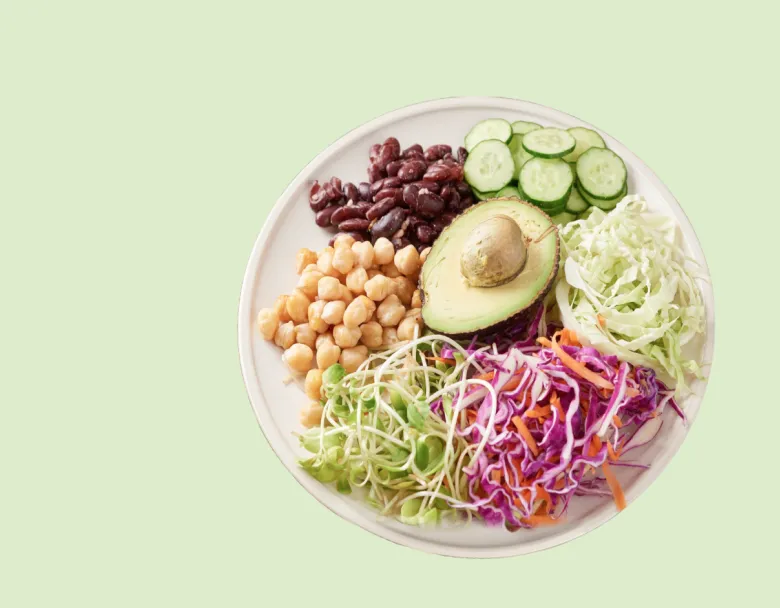
A vegan keto diet combines two restrictive patterns: vegan eating, which excludes animal products, and ketogenic eating, which sharply limits carbohydrates. That makes planning more important than simply cutting carbs or adding more fat.
The goal is not to make the strictest diet possible. A better goal is to choose a version you can follow safely, with enough protein, fiber, micronutrients, and plant-based fats.
Key takeaways
- A vegan keto diet avoids meat, fish, dairy, eggs, honey, and other animal products.
- Standard ketogenic diets are usually very low in carbohydrates and high in fat, often with about 5-10% of calories from carbs [1].
- A modified vegan keto approach may be easier to follow, but it may not create the same level of ketosis as a stricter ketogenic diet.
- Plant protein needs planning. Soy foods, tempeh, tofu, unsweetened soy yogurt, nuts, seeds, algae, and nutritional yeast can help, but vitamin B12 still requires reliable fortified foods or supplementation [2][3].
- Healthy plant fats can come from avocado, olives, olive oil, coconut, nuts, seeds, and sesame or peanut-based foods.
- Vegan keto may be too restrictive for some people, especially those with eating disorder history, pregnancy, diabetes medication use, kidney disease, or nutrient deficiency risk [1][5][6].
On this page
What is a vegan keto diet? How many carbs should you eat? What macros make sense? Vegan keto protein foods to consider Plant-based fats to use carefully What if you eat more carbs than planned? When vegan keto may not be the right fit What to track if you try vegan keto FAQ
What is a vegan keto diet?
A vegan keto diet excludes animal products while limiting carbohydrates enough to encourage ketosis. That means no meat, fish, dairy, eggs, honey, or gelatin. It also means many high-carb vegan staples, such as rice, oats, bread, pasta, potatoes, and large portions of beans or fruit, may not fit a strict keto target.
This is different from a vegetarian keto diet. Vegetarian keto may include eggs or dairy, depending on the style of vegetarian eating. It is also different from seafood keto or pescatarian keto, which may include fish or shellfish. If you include seafood, the diet is no longer vegan.
Because vegan keto removes both animal foods and many higher-carb plant foods, it needs more planning than either diet alone.
How many carbs should you eat?
Many ketogenic diets aim for very low carbohydrate intake, often below 50 grams of carbs per day or around 5-10% of total calories [1][4]. Some people track net carbs, usually calculated as total carbohydrates minus fiber.
For vegan keto, a strict carb target can be difficult because many plant protein foods also contain carbohydrates. A more flexible modified keto approach may allow more vegetables, seeds, soy foods, and small portions of legumes. This can make the diet more realistic, but it may also mean you are following a low-carb vegan diet rather than a classic ketogenic diet.
The practical question is: can you keep carbs low while still getting enough protein, fiber, vitamins, minerals, and overall food variety? If the answer is no, a less restrictive plant-based low-carb pattern may be a better fit.
What macros make sense?
A standard ketogenic diet is commonly described as high fat, moderate protein, and very low carbohydrate. Some versions use about 70-80% of calories from fat, 10-20% from protein, and 5-10% from carbohydrates [1].
For vegan keto, that ratio may be hard to follow without relying too heavily on oils and low-protein foods. A modified approach may use a lower fat target and allow more calories from protein and fiber-rich plant foods. That can improve food quality, but it may reduce the chance of staying in ketosis.
Instead of chasing a perfect macro ratio, start with three checks:
- Are carbs low enough for your goal?
- Are you getting enough protein?
- Are most fats coming from nutrient-dense plant foods rather than only added oils?
Vegan keto protein foods to consider
Protein is one of the hardest parts of vegan keto. Many vegan proteins, such as lentils, chickpeas, and beans, also contain meaningful carbohydrates.
Better low-carb vegan protein options include:
- tofu
- tempeh
- edamame in moderate portions
- unsweetened soy milk
- unsweetened soy yogurt
- fermented soy foods such as natto
- nutritional yeast
- nuts and seeds
- hemp seeds, chia seeds, flaxseeds, pumpkin seeds, and sesame seeds
- algae-based foods, depending on availability and iodine content
Soy foods are often useful because they provide protein with fewer carbs than many legumes. Fermented soy foods such as tempeh and natto can also add variety.
Vitamin B12 deserves special attention. Vegan diets can be nutritionally adequate when well planned, but B12 is not reliably supplied by unfortified plant foods, so fortified foods or supplements are usually needed [2][3].
Plant-based fats to use carefully
Plant-based fats can make vegan keto easier, but fat quality still matters. Better options include:
- avocado
- olives and olive oil
- nuts and nut butters
- seeds and seed butters
- coconut milk and coconut oil
- sesame oil
- peanut oil
- camellia oil, if commonly used in your diet
Try not to build the whole diet around oil. Oils can help with calories and flavor, but whole-food fat sources, such as avocado, nuts, and seeds, also provide fiber, minerals, and texture.
If you use coconut oil or coconut milk, keep portions moderate. They are plant-based, but they are also high in saturated fat. People with high LDL cholesterol or heart disease risk should be especially cautious with high-saturated-fat keto patterns [5][6].
What if you eat more carbs than planned?
One higher-carb meal does not mean the whole diet has failed. It is usually better to return to your normal plan at the next meal than to punish yourself with extreme restriction or intense exercise.
High-intensity exercise can use carbohydrate quickly, but it should not be framed as a way to erase eating. That mindset can make the diet feel more rigid and may be unsafe for people with blood sugar issues, low energy intake, or a history of disordered eating.
If higher-carb days happen often, review the plan instead:
- Is the carb target too strict?
- Are meals too small or too low in protein?
- Are you relying on foods that are hard to portion?
- Would a low-carb vegan diet be more sustainable than vegan keto?
When vegan keto may not be the right fit
Vegan keto is restrictive. It may not be appropriate for everyone.
Talk with a qualified clinician or registered dietitian before trying it if you are pregnant or breastfeeding, under 18, underweight, have a current or past eating disorder, have kidney disease, have high LDL cholesterol, have diabetes, or take medications that affect blood sugar [1][5][6].
Also reconsider the diet if it causes dizziness, constipation, fatigue, food anxiety, binge-restrict cycles, or makes social eating difficult. A diet that looks perfect on paper is not useful if it is too hard to repeat.
What to track if you try vegan keto
If you try vegan keto, tracking can help you see whether the routine is realistic. GoFasting can help track fasting windows, water intake, calorie intake, steps, and weight trends while you review your eating pattern.
Keep product tracking separate from personal body signals. Hunger, energy, sleep, digestion, mood, and cravings are personal observations, not proof that an app can assess whether vegan keto is safe for you.
If the diet starts feeling extreme, the next step is not always fewer carbs. It may be a wider eating window, more protein, more vegetables, a less restrictive low-carb vegan plan, or medical guidance.
FAQ
Is vegan keto the same as vegetarian keto?
No. Vegan keto excludes all animal products, including dairy, eggs, honey, meat, and seafood. Vegetarian keto may include dairy or eggs, depending on the type of vegetarian diet.
Can you eat soy on vegan keto?
Yes, many people use tofu, tempeh, unsweetened soy milk, unsweetened soy yogurt, edamame, and fermented soy foods as vegan keto protein sources. Portions still matter because some soy foods contain carbs.
How many net carbs can you eat on vegan keto?
Many ketogenic diets use very low carb targets, often below 50 grams per day, but vegan keto may require more flexibility to include enough plant foods [1][4]. If your target makes meals too limited, it may be too strict.
Can vegan keto provide enough protein?
It can, but it takes planning. Tofu, tempeh, soy foods, nuts, seeds, and nutritional yeast can help. People with higher protein needs may need individualized guidance from a dietitian.
Is seafood keto vegan?
No. Seafood keto is better described as pescatarian keto. It may work for people who eat fish or shellfish, but it is not vegan.
Bottom line
A vegan keto diet is possible, but it is more restrictive than a standard vegan diet or a standard keto diet. The main challenge is balancing low carbs with enough protein, fiber, micronutrients, and sustainable meals.
If the plan feels too narrow, a modified low-carb vegan diet may be a better long-term choice. The diet you can repeat safely is usually more useful than the strictest version.
Medical disclaimer
Vegan keto can affect nutrient intake, blood sugar, digestion, cholesterol, medication timing, and eating behavior. Speak with a qualified healthcare professional before starting, especially if you have a medical condition, take medication, are pregnant or breastfeeding, are under 18, are underweight, or have a history of disordered eating.
References
- Masood W, Annamaraju P, Uppaluri KR. Ketogenic Diet. StatPearls. NCBI Bookshelf https://www.ncbi.nlm.nih.gov/books/NBK499830/
- Melina V, Craig W, Levin S. Position of the Academy of Nutrition and Dietetics: Vegetarian Diets. Journal of the Academy of Nutrition and Dietetics. 2016 https://doi.org/10.1016/j.jand.2016.09.025
- Craig WJ. Health effects of vegan diets. American Journal of Clinical Nutrition. 2009 https://doi.org/10.3945/ajcn.2009.26736N
- Kirkpatrick CF, Bolick JP, Kris-Etherton PM, et al. Review of current evidence and clinical recommendations on the effects of low-carbohydrate and very-low-carbohydrate diets. Journal of Clinical Lipidology. 2019 https://doi.org/10.1016/j.jacl.2019.08.003
- Crosby L, Davis B, Joshi S, et al. Ketogenic diets and chronic disease: weighing the benefits against the risks. Frontiers in Nutrition. 2021 https://doi.org/10.3389/fnut.2021.702802
- National Institute on Aging. Calorie Restriction and Fasting Diets: What Do We Know? https://www.nia.nih.gov/news/calorie-restriction-and-fasting-diets-what-do-we-know