

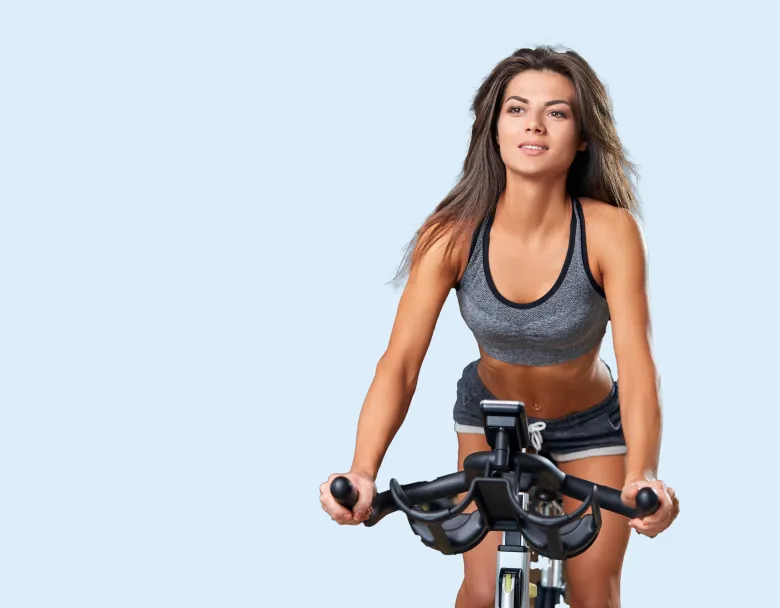
Intermittent fasting and cardio can fit together, but the goal is not to make every workout feel harder. Keep easy cardio easy, place intense sessions where you can fuel and recover, and shorten the fast if training starts to feel shaky or unsafe [1][2].
Key takeaways
- Low-intensity cardio usually fits best during a fasting window for beginners.
- Hard intervals or long runs are easier to recover from when they sit near the eating window.
- Hydration still matters during the fasting window, especially if you sweat.
- Dizziness, faintness, chest pain, or unusual weakness means stop the session and get help if needed.
- Use fasting as a routine, not as punishment for missed workouts or meals.
Match the workout to the fasting window
For a short walk, gentle bike ride, or easy zone-2 session, many people feel fine training before the first meal. Keep the pace conversational and end the session if symptoms feel wrong.
For HIIT, long cardio, or performance-focused training, plan the workout close to a meal. That gives you more room for carbohydrates, protein, fluids, and recovery.
How to adjust if cardio feels worse while fasting
First shorten the workout or lower the intensity. If that does not help, shorten the fasting window from 16:8 to 14:10 or 12:12 for training days.
GoFasting can help you review fasting windows, water intake, calories, steps, and weight trends. Keep workout feelings as personal observations, separate from app-tracked product data.
When fasting and cardio are not the right match
Do not push through faintness, chest pain, confusion, severe headache, or symptoms that feel unsafe. People with diabetes, blood sugar concerns, medication timing issues, pregnancy, or a history of disordered eating should get individual guidance before combining fasting with harder cardio.
FAQ
Is fasted cardio better for fat loss?
Not automatically. Fat use during a workout does not guarantee greater fat loss over weeks. Total intake, recovery, and consistency still matter.
Can I do HIIT while fasting?
Some experienced people can, but it is not the best starting point. Put HIIT near the eating window if intensity or recovery suffers.
Bottom line
Use fasting as a routine, not as punishment for missed workouts or meals.
Medical disclaimer: This article is for general educational purposes only and is not medical advice. Talk with a qualified healthcare professional before fasting if you are pregnant or breastfeeding, take medication, have diabetes, have a medical condition, have a history of disordered eating, or feel unwell during fasting.
References
- Johns Hopkins Medicine. Intermittent Fasting: What Is It, And How Does It Work? https://www.hopkinsmedicine.org/health/expert-qa/intermittent-fasting-what-is-it-and-how-does-it-work
- Mayo Clinic. Intermittent fasting: What are the benefits? https://www.mayoclinic.org/healthy-lifestyle/nutrition-and-healthy-eating/expert-answers/intermittent-fasting/faq-20441303