

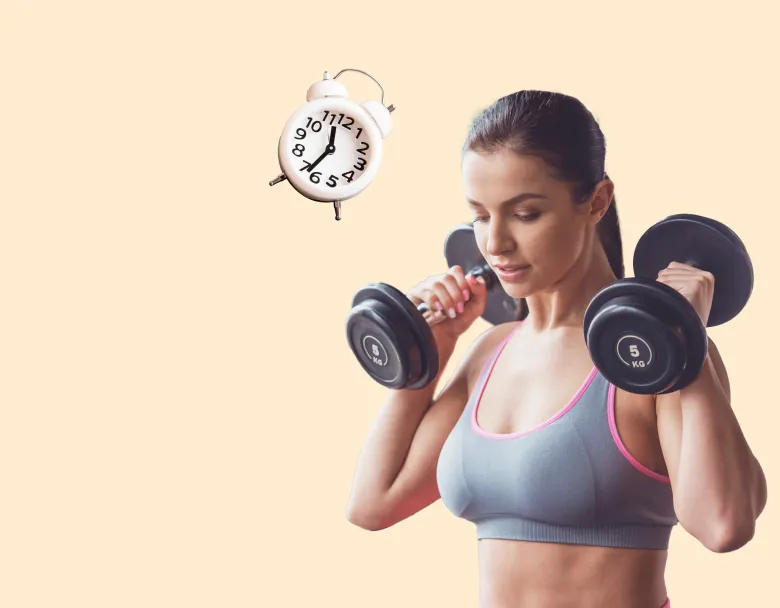
Fasting and exercise can be a useful pair when the plan is flexible. The safer question is not whether they are a perfect group, but which workouts fit the fasting window and which ones need fuel nearby [1][2].
Key takeaways
- Easy movement often fits well during a fast.
- Hard training usually works better near the eating window.
- Protein and total calories matter if you want to keep muscle while losing fat.
- Poor sleep, dizziness, or repeated overeating means the plan is too aggressive.
- Adjust the fasting window before you blame your willpower.
Pair intensity with fuel
Keep walks, mobility, and easy cardio flexible. Put heavy lifting, HIIT, and long endurance sessions closer to meals so recovery is easier.
If you train hard while under-fueled, the result may be worse performance, more cravings, or skipped protein rather than better progress.
Protect protein and recovery
Exercising individuals often need more protein than sedentary adults, and resistance training works best when food intake supports recovery [3].
During your eating window, plan real meals with protein, fiber-rich carbohydrates, healthy fats, and fluids. A fasting schedule that crowds this out needs to be shortened.
Track the routine without over-reading it
GoFasting can help you log fasting windows, calories, water, steps, and weight trends. It does not diagnose recovery or track workouts; use your own notes for energy, sleep, soreness, and training quality.
FAQ
Should I exercise before or after eating?
Easy exercise can go before eating. Hard exercise often fits better before or after a meal.
Can fasting replace exercise?
No. Fasting sets meal timing. Exercise builds fitness, strength, and cardiovascular health.
Bottom line
Adjust the fasting window before you blame your willpower.
Medical disclaimer: This article is for general educational purposes only and is not medical advice. Talk with a qualified healthcare professional before fasting if you are pregnant or breastfeeding, take medication, have diabetes, have a medical condition, have a history of disordered eating, or feel unwell during fasting.
References
- Johns Hopkins Medicine. Intermittent Fasting: What Is It, And How Does It Work? https://www.hopkinsmedicine.org/health/expert-qa/intermittent-fasting-what-is-it-and-how-does-it-work
- CDC. Adult Activity: An Overview https://www.cdc.gov/physical-activity-basics/guidelines/adults.html
- Jager R, et al. International Society of Sports Nutrition Position Stand: protein and exercise. Journal of the International Society of Sports Nutrition. 2017 https://pubmed.ncbi.nlm.nih.gov/28642676/