

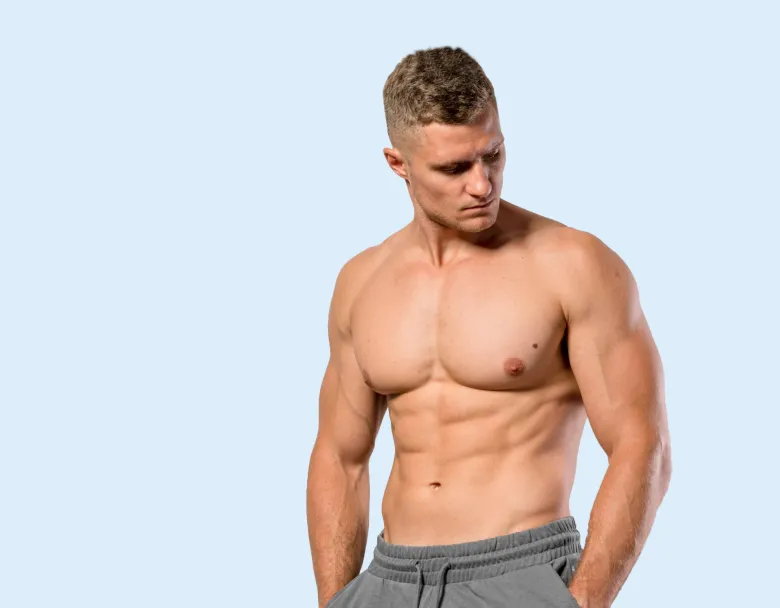
Fasting can support a routine that helps some people reduce body fat, but visible abs in a few weeks are not guaranteed. Ab definition depends on starting body fat, genetics, training history, food quality, protein intake, bloating, and consistency [1][2].
Key takeaways
- Fasting may help reduce calorie intake, but it does not target belly fat directly.
- Core exercises build muscle definition; they do not spot-reduce fat.
- HIIT and strength work need recovery and enough food.
- Exercising adults often need enough protein to protect muscle [3].
- If the plan causes dizziness, binge eating, or poor sleep, it is too aggressive.
What actually makes abs more visible
Abs show when abdominal muscle is developed enough and body fat is low enough for your body. Fasting may help some people create structure, but it cannot choose where fat comes off first.
Less bloating can make the midsection look flatter quickly, but that is not the same as losing belly fat.
Training and nutrition matter
Combine core training with full-body strength work, cardio you can recover from, and meals that include protein and fiber. Planks, leg raises, dead bugs, carries, and crunch variations can all help when progressed gradually.
For many exercising people, daily protein needs are higher than the basic adult minimum; ISSN notes 1.4 to 2.0 g/kg/day is sufficient for most exercising individuals [3].
Make the fasting schedule sustainable
A 14:10 or 16:8 schedule is often more practical than extreme fasting. GoFasting can help track fasting windows, water, calories, steps, and weight trends while you watch training recovery separately.
FAQ
Can 16:8 reveal abs?
It may help some people reduce intake, but it does not guarantee visible abs.
Should I do HIIT fasted for abs?
Not as a default. Put hard sessions near food if performance or recovery suffers.
Bottom line
If the plan causes dizziness, binge eating, or poor sleep, it is too aggressive.
Medical disclaimer: This article is for general educational purposes only and is not medical advice. Talk with a qualified healthcare professional before fasting if you are pregnant or breastfeeding, take medication, have diabetes, have a medical condition, have a history of disordered eating, or feel unwell during fasting.
References
- Johns Hopkins Medicine. Intermittent Fasting: What Is It, And How Does It Work? https://www.hopkinsmedicine.org/health/expert-qa/intermittent-fasting-what-is-it-and-how-does-it-work
- CDC. Adult Activity: An Overview https://www.cdc.gov/physical-activity-basics/guidelines/adults.html
- Jager R, et al. International Society of Sports Nutrition Position Stand: protein and exercise. Journal of the International Society of Sports Nutrition. 2017 https://pubmed.ncbi.nlm.nih.gov/28642676/