

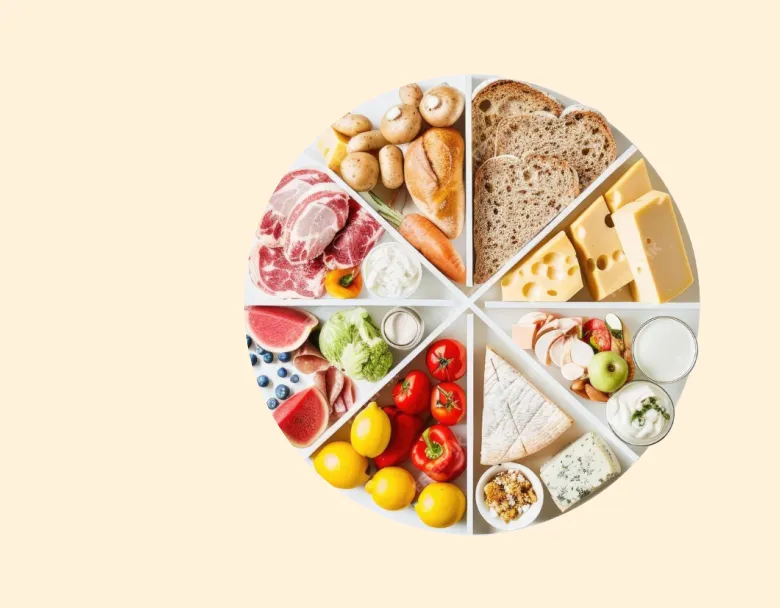
Food choices get easier when you stop asking whether a food is simply "good" or "bad" and start asking a more practical question: how close is this food to its original form, and what was added to make it last longer, taste stronger, or feel more convenient?
That is the main idea behind one widely used classification of food called NOVA. NOVA groups foods by the extent and purpose of processing, not by calories, carbs, or a single nutrient. It is useful because it helps you spot the difference between basic processing that can make food safer or easier to use and heavy industrial processing that often creates products designed for shelf life, sweetness, saltiness, softness, or easy snacking [1].
Key takeaways before you classify a food
- A food being "processed" does not automatically make it unhealthy. Washing, freezing, drying, fermenting, pasteurizing, or canning can be useful.
- The biggest everyday distinction is usually between minimally processed foods and ultra-processed products.
- Ingredient lists help: a short list of recognizable foods is different from a long list of extracted ingredients, flavor systems, colors, emulsifiers, and sweeteners.
- Use food classification to improve your usual pattern, not to make every bite perfect.
- If you have a medical condition, allergies, a history of disordered eating, or a prescribed diet, use classification as a conversation starter with a qualified health professional, not as a strict rulebook.
What does classification of food mean?
Classification of food means sorting foods into groups so you can make faster, clearer decisions. Foods can be classified by food group, nutrient content, cultural use, source, or processing level.
For healthier everyday choices, processing level is especially helpful because two foods with similar calories can be very different in structure, ingredients, and how easy they are to overeat. A plain bowl of oats and a frosted oat snack bar may both start with oats, but they do not function the same way in a meal.
NOVA is a widely used processing-based system. It places foods and drinks into four groups: unprocessed or minimally processed foods, processed culinary ingredients, processed foods, and ultra-processed foods [2].
The four NOVA groups in plain language
| NOVA group | What it means | Common examples | How to use it |
|---|---|---|---|
| Group 1: Unprocessed or minimally processed foods | Foods close to their original form, with basic steps such as cleaning, cutting, drying, freezing, chilling, pasteurizing, or fermenting | Fresh or frozen vegetables, fruit, beans, lentils, rice, oats, eggs, plain milk, plain yogurt, fish, meat, nuts, unsweetened tea or coffee | Build most meals around these when possible |
| Group 2: Processed culinary ingredients | Ingredients extracted from foods or nature and mostly used in cooking | Olive oil, butter, sugar, honey, starches, salt | Use to prepare and season meals, but keep portions sensible |
| Group 3: Processed foods | Group 1 foods changed with added salt, oil, sugar, or other simple ingredients, usually to preserve or improve flavor | Canned beans with salt, cheese, simple bread, canned fish, fruit in syrup, salted nuts | Compare labels and choose versions with less added sugar, sodium, or saturated fat when you can |
| Group 4: Ultra-processed foods | Industrial formulations made mostly from extracted substances, modified ingredients, and additives, often with little intact whole food | Soft drinks, sweetened breakfast cereals, packaged cakes, candy, chips, instant noodles, many reconstituted meat products, many ready-to-heat meals | Treat as occasional or reduce the ones that crowd out filling meals |
The point is not to fear every package. Frozen vegetables, plain canned tomatoes, pasteurized milk, and dry lentils can all support healthy meals. The bigger signal is whether the package contains mostly a recognizable food or mostly a formula built from refined starches, sugars, oils, flavorings, colors, and texture modifiers.
How to classify a packaged food in 60 seconds
Start with the ingredient list, not the front label.
- Look for the main food. If the first ingredients are whole or simple foods, such as oats, beans, tomatoes, milk, fish, or peanuts, the food may be minimally processed or simply processed.
- Check what was added. Salt, oil, vinegar, herbs, or a small amount of sugar usually points toward processed food rather than ultra-processed food.
- Watch for extracted or modified ingredients. Protein isolates, modified starches, hydrogenated oils, glucose syrup, maltodextrin, artificial sweeteners, colors, emulsifiers, and flavor systems are common ultra-processing clues.
- Ask what role the food plays. A jar of pasta sauce can help you cook dinner. A sweet drink, candy bar, or salty snack may be easy to consume without making the meal more nourishing.
- Compare similar options. If two products serve the same purpose, choose the one with more recognizable ingredients and less added sugar, sodium, and saturated fat.
A quick example: plain rolled oats are Group 1. Oats cooked with milk, nuts, and fruit are still built from mostly Group 1 foods plus simple ingredients. A frosted oat-flavored bar with syrups, flavors, emulsifiers, and added colors is more likely Group 4.
How this helps you make healthier choices
Healthy eating patterns usually rely on a variety of minimally processed foods, including vegetables, fruits, legumes, whole grains, nuts, and other nutrient-dense foods. The World Health Organization describes unprocessed and minimally processed foods that are low in unhealthy fats, free sugars, and sodium as a foundation of a healthy diet, while noting that many modern diets include more highly processed foods high in unhealthy fats, sugars, and salt [3].
Turn that into a simple next step: upgrade the foods you eat most often.
- If breakfast is usually a sweet cereal, try plain oats, yogurt with fruit, or eggs with vegetables.
- If lunch is usually a packaged snack meal, try adding beans, tuna, eggs, tofu, chicken, or leftover vegetables.
- If drinks are usually sweetened, switch one daily drink to water, unsweetened tea, coffee, or sparkling water.
- If dinner depends on instant noodles or ready meals, add a simple protein and vegetables, or alternate with an easy home-cooked meal.
Small swaps work better than a perfect list you cannot maintain.
Where food classification can mislead you
NOVA is useful, but it is not the only lens that matters.
A food can be minimally processed and still not fit your needs. For example, fruit juice may look simple, but it can deliver free sugars quickly and is less filling than whole fruit. A food can also be processed and still be practical, such as canned beans, plain cheese, whole-grain bread, or frozen fish.
Diet culture can make classification too rigid. If a rule makes you anxious, leads you to skip meals, or pushes you to cut out entire food groups without a clear reason, loosen the rule. Your goal is a better pattern, not a cleaner identity.
Food access matters too. Budget, cooking time, culture, storage, and availability all shape what is realistic. If the choice is between no vegetables and frozen or canned vegetables, choose the vegetables. If the choice is between skipping dinner and using a ready meal, make the ready meal more balanced by adding a simple side.
A simple weekly practice
Pick one meal you repeat often and classify the main items in it. Do not grade yourself. Just notice the pattern.
- Which items are Group 1 foods?
- Which ingredients are there for cooking or flavor?
- Which items are processed but still useful?
- Which ultra-processed items show up most often?
- What is one swap that would make the meal more filling or less sugary, salty, or snack-like?
If you use GoFasting, keep the role simple: log meals or calorie intake, water intake, steps, fasting windows, and weight if those are part of your routine. Then review your pattern at the end of the week. The useful question is not whether you ate perfectly; it is whether your usual choices are moving toward meals you can repeat.
Common questions about classifying foods
Are all processed foods unhealthy?
No. Processing includes many ordinary steps, such as freezing, drying, fermenting, pasteurizing, and canning. The more useful question is what was added, how much the food was changed, and whether it helps or crowds out balanced meals.
Is homemade food always Group 1?
No. Homemade food can combine several groups. A homemade soup made from vegetables, beans, oil, salt, and herbs may use Group 1 and Group 2 items. A homemade dessert can still be high in sugar and fat. Classification helps you understand the meal; it does not automatically judge it.
Can I still eat ultra-processed foods sometimes?
Yes. Occasional ultra-processed foods are not the same as a diet built around them. Start by reducing the ones you eat or drink most often, especially sweet drinks, packaged sweets, salty snacks, and ready-to-eat items that replace meals.
What is the easiest first step?
Add one more minimally processed food to a meal you already eat. That might be fruit at breakfast, beans at lunch, vegetables at dinner, or nuts with a snack. Adding can be easier than starting with restriction.
This article is general information, not medical advice. If you have a health condition, take medication, are pregnant or breastfeeding, or are unsure whether fasting is right for you, talk with a qualified clinician who knows your situation.
References
- FAO. Ultra-processed foods, diet quality and human health. 2019 https://www.fao.org/publications/card/en/c/CA5644EN/
- Monteiro CA, Cannon G, Levy RB, et al. Ultra-processed foods: what they are and how to identify them. Public Health Nutrition. 2019;22(5):936-941. DOI: 10.1017/S1368980018003762. PMID: 30744710 https://doi.org/10.1017/S1368980018003762
- World Health Organization. Healthy diet. Published January 26, 2026 https://www.who.int/news-room/fact-sheets/detail/healthy-diet