

Eating & Nutrition for Intermittent Fasting: What to Eat, Drink, Plan, and Track
Intermittent fasting gives your day a clearer eating structure, but it does not decide what should go on your plate. The eating window still needs eno...
What to eat, what breaks a fast, and how to fuel your window.
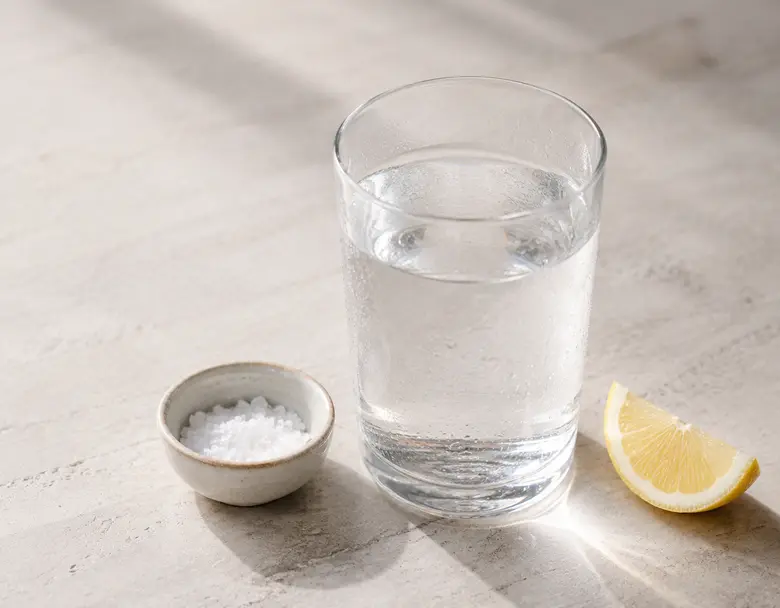


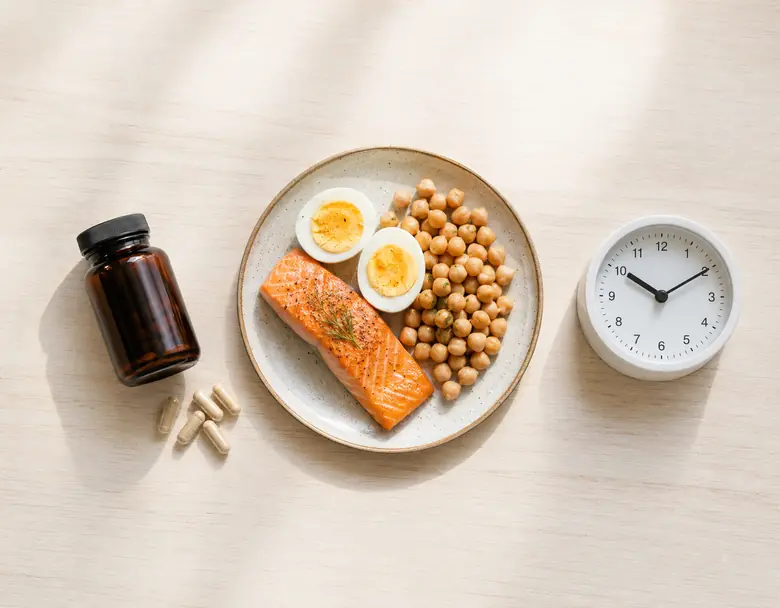
If a supplement contains calories, protein, fat, carbohydrates, sugar, or collagen, place it in your eating window for a clean fast. That means collag...
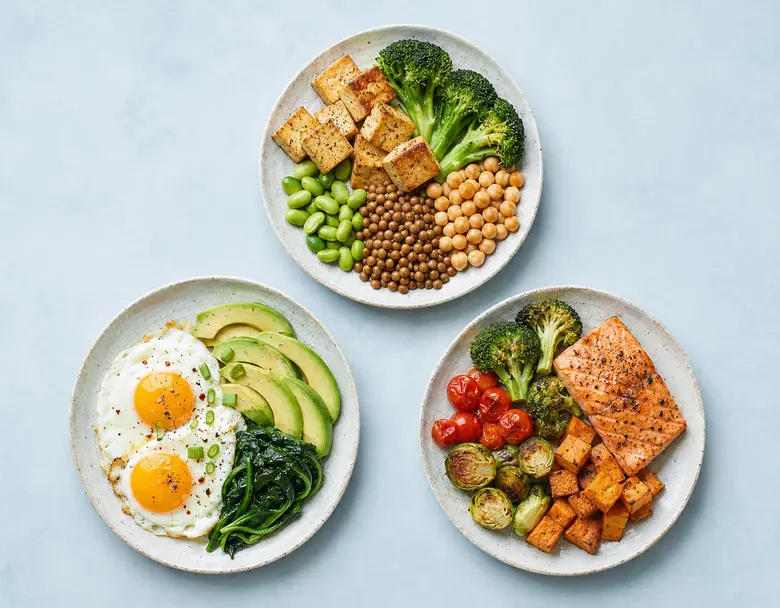
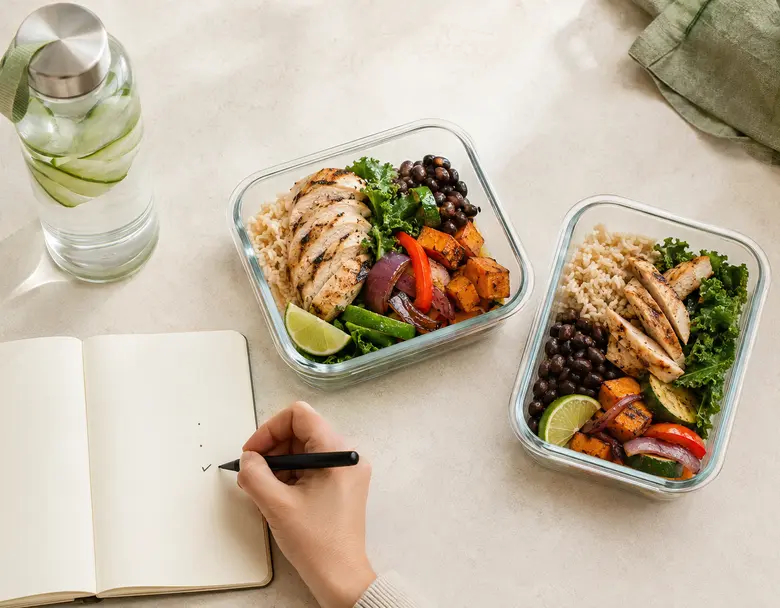
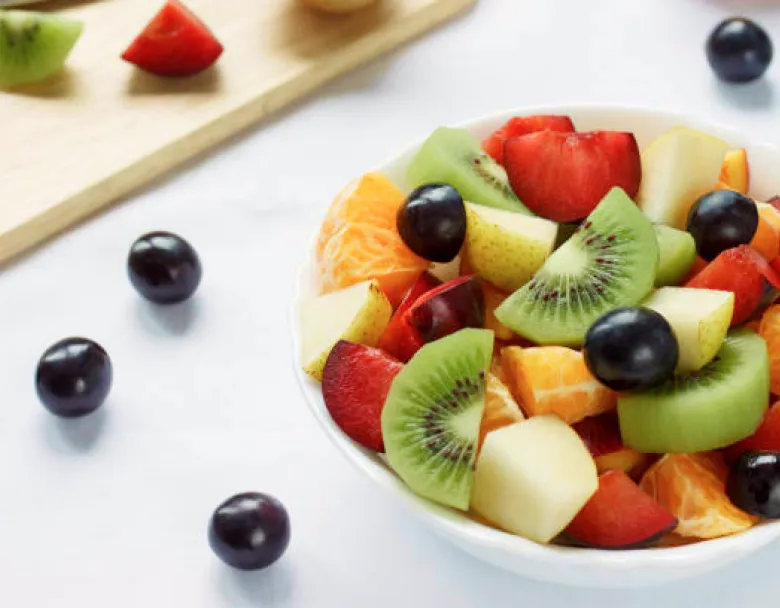
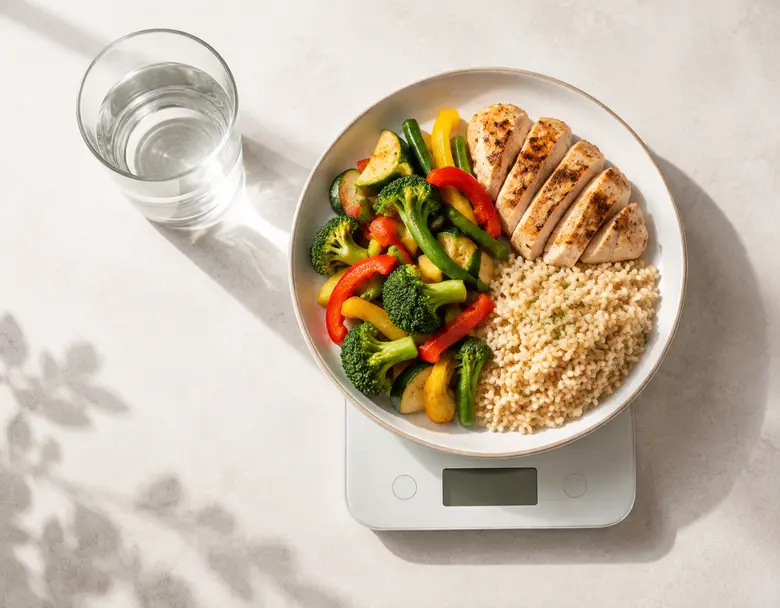
A healthy diet for intermittent fasting does not have to be extreme. For most people, the safer default is a balanced eating window with protein foods...
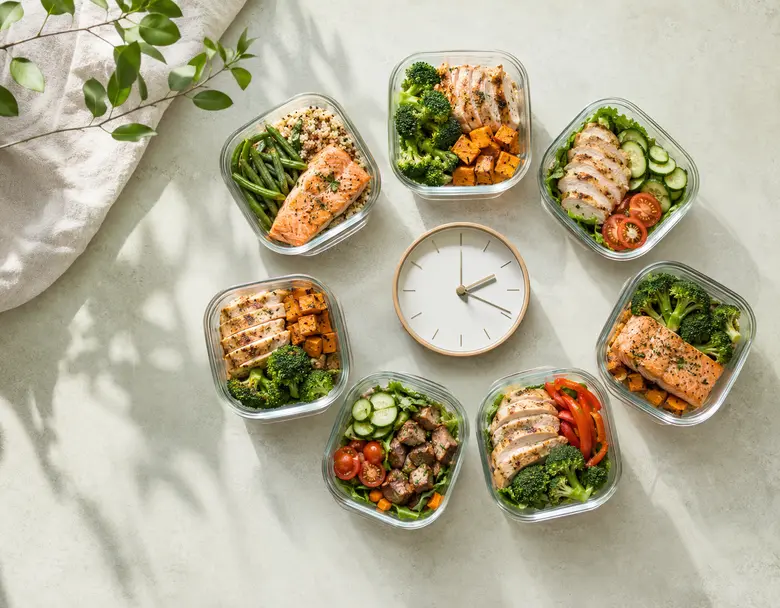
A 16/8 intermittent fasting meal plan uses a 16-hour fasting window and an 8-hour eating window. During the eating window, focus on balanced meals wit...
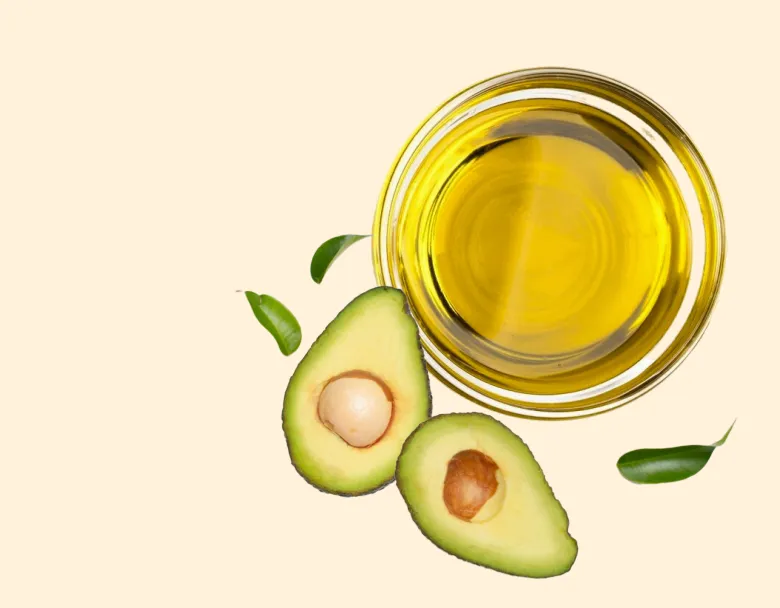
Fat is not something you have to avoid to eat well. The more useful question is not "how do I cut fat out?" but "which fats should most of my fat come...

Milk tea usually breaks a calorie-free intermittent fasting window because it contains calories from milk, sugar, sweetened powders, tapioca pearls, c...

Intermittent fasting does not automatically cause nutrient deficiencies. But it can raise the risk if your eating window becomes too small, repetitive...

The circadian diet, sometimes called circadian-rhythm eating, is a way of timing your meals to match your body's internal 24-hour clock. In practice i...
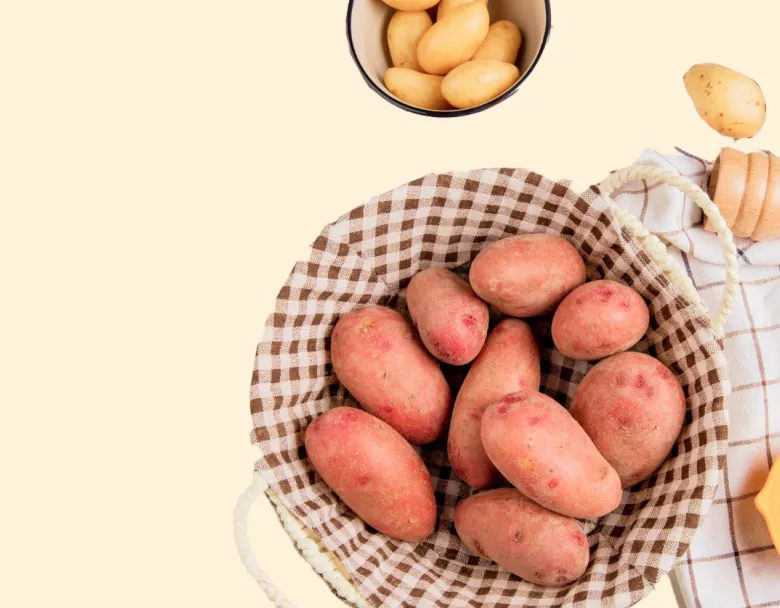
Carbohydrates are not automatically bad for fasting. They are one of the body's main fuel sources, especially for the brain, higher-intensity exercise...
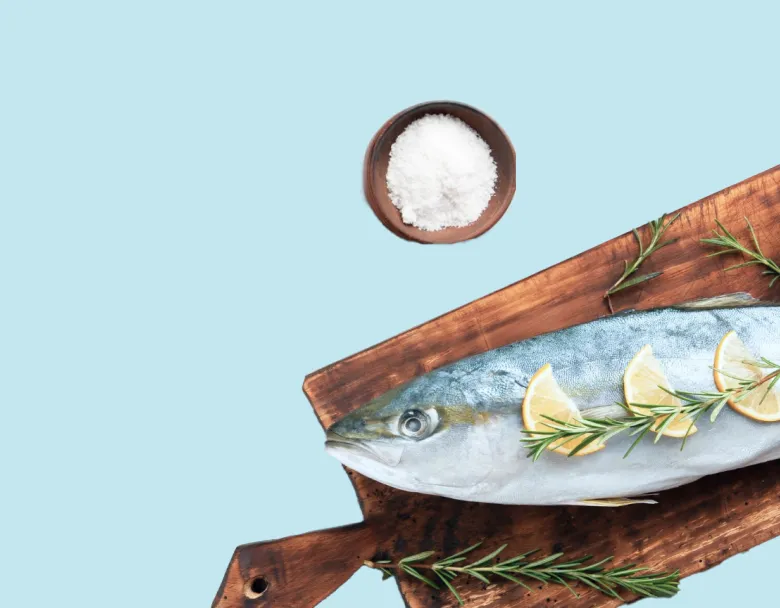
Yes — fish and shellfish are among the best protein foods you can eat. A typical 3-ounce cooked serving delivers roughly 20-25 grams of high-quality,...
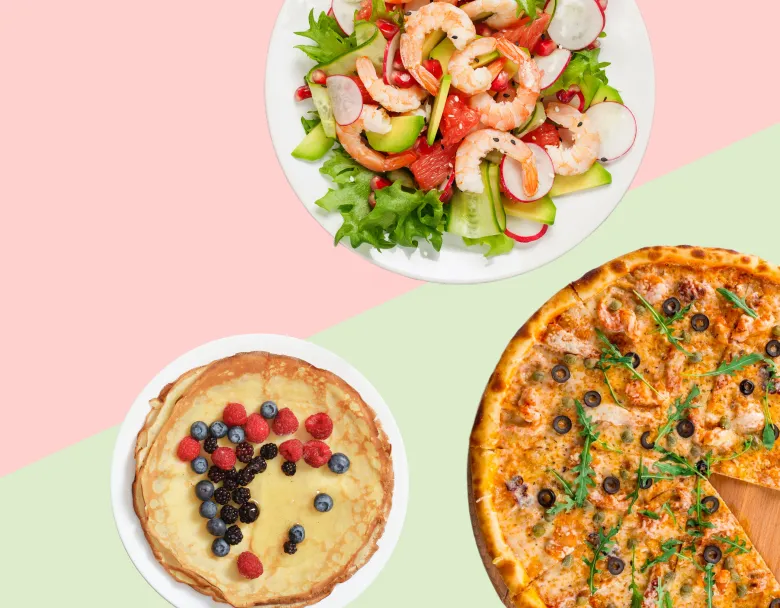
Yes. Intermittent fasting changes when you eat, but it does not make food quality irrelevant. A fasting window can reduce the number of eating opportu...