





Intermittent Fasting: A Complete Guide to Schedules, Food, and Safety
Intermittent fasting is an eating pattern that alternates between periods of eating and periods without food. It focuses mainly on when you eat, but t...
Evidence-based guides, plans, and answers — reviewed by registered dietitians.




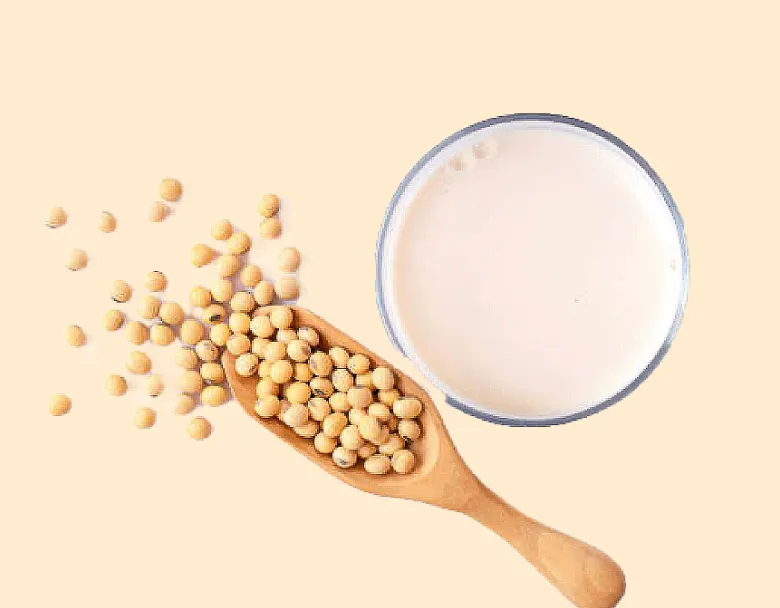
Milk tea usually breaks a calorie-free intermittent fasting window because it contains calories from milk, sugar, sweetened powders, tapioca pearls, c...

Intermittent fasting may help some people lose weight by making eating patterns easier to manage, but it does not specifically target belly fat. If yo...
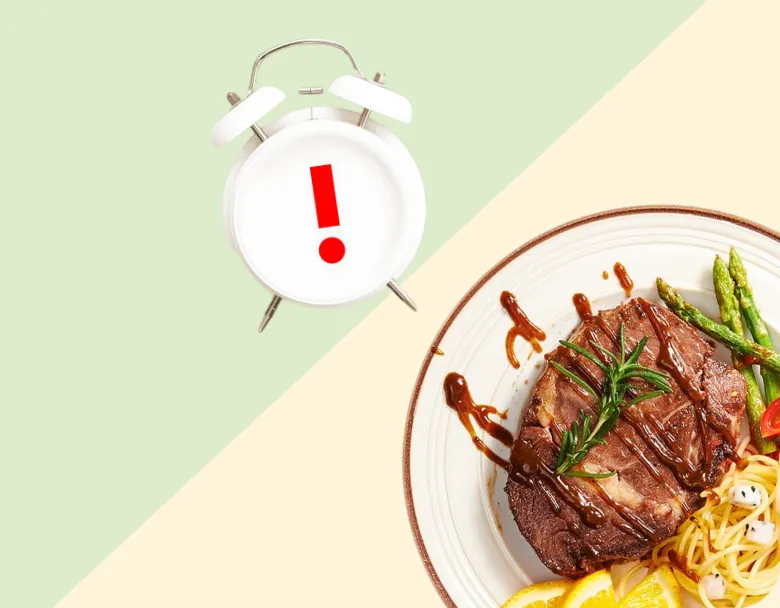
Fasting times do not have to be exactly the same every day. A consistent pattern helps, but occasional changes for meals, travel, work, family events,...

Intermittent fasting does not automatically cause nutrient deficiencies. But it can raise the risk if your eating window becomes too small, repetitive...
Stopping intermittent fasting does not mean you failed. Sometimes it means the schedule has started costing more than it gives back. If fasting is lea...

The circadian diet, sometimes called circadian-rhythm eating, is a way of timing your meals to match your body's internal 24-hour clock. In practice i...

Feeling more tired during fasting is common, especially when you change your eating schedule suddenly. It may mean your body needs a gentler fasting w...

Intermittent fasting may improve some short-term health markers, including chronic inflammation markers in some studies, but it should not be treated...

Stretching should feel like gentle tension, not pain. If you push too far, move too fast, or bounce at the end of a stretch, your body may respond by...

Intermittent fasting may suit some adults who want a simpler structure for eating times, weight management, or consistency. It is usually a better fit...