






Intermittent Fasting: A Complete Guide to Schedules, Food, and Safety
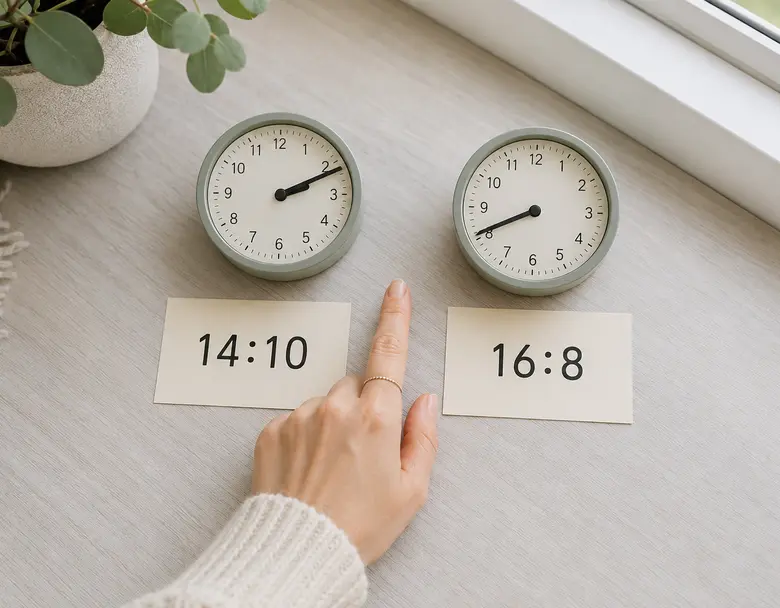
Intermittent fasting is an eating pattern that alternates between periods of eating and periods without food. It focuses mainly on when you eat, but t...
Evidence-based guides, plans, and answers — reviewed by registered dietitians.





Not in the way most headlines suggest — at least not proven. The most striking anti-aging results for fasting come from animals and from cell biology,...
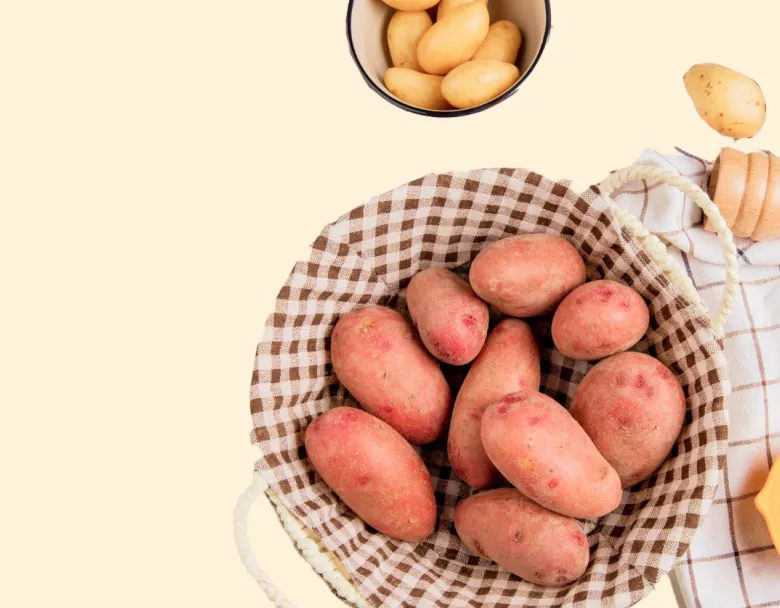
Carbohydrates are not automatically bad for fasting. They are one of the body's main fuel sources, especially for the brain, higher-intensity exercise...

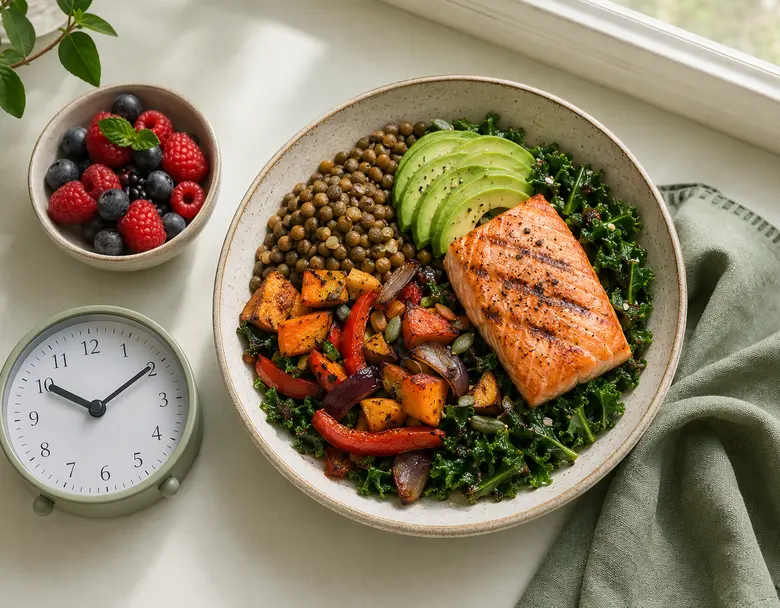
Yes — fish and shellfish are among the best protein foods you can eat. A typical 3-ounce cooked serving delivers roughly 20-25 grams of high-quality,...

Delayed gratification is the ability to pass up a smaller reward now for a bigger or more meaningful one later, along with the self-control it takes t...

Stress management works better when it is small, specific, and honest about what you can and cannot control. The goal is not to become calm all the ti...

Positive thinking is a constructive, optimistic way of interpreting what happens to you. It is less about the events themselves and more about the run...

Intermittent fasting can cause side effects such as tiredness, dizziness, headaches, mood changes, constipation, and menstrual changes [1]. Mild disco...

If you are new to exercise, the most useful move is not the "perfect" workout — it is picking something gentle enough that you will actually do it aga...

Feeling hungry when you fast is normal, especially in the first week or two, and it usually eases as your body gets used to the new routine. [1] The h...

Intermittent fasting works for weight loss when it helps you create a realistic calorie pattern you can repeat. It can reduce eating opportunities, ma...