









Intermittent Fasting: A Complete Guide to Schedules, Food, and Safety
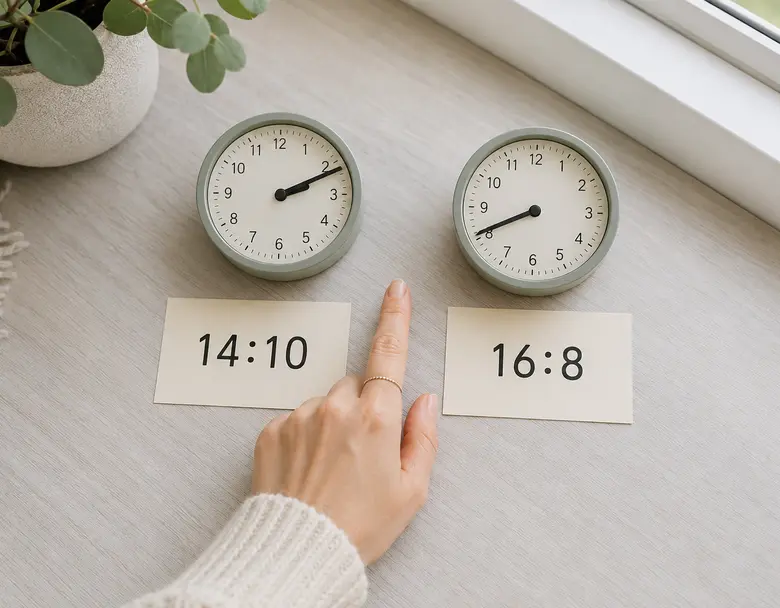
Intermittent fasting is an eating pattern that alternates between periods of eating and periods without food. It focuses mainly on when you eat, but t...
Evidence-based guides, plans, and answers — reviewed by registered dietitians.





It depends on how long and how hard you plan to run. For a short, easy jog, running on an empty stomach is fine for many people, as long as you are hy...

Intermittent fasting is different from many diets because it focuses on when you eat. Calorie reduction focuses on how much you eat. Low-carb diets fo...

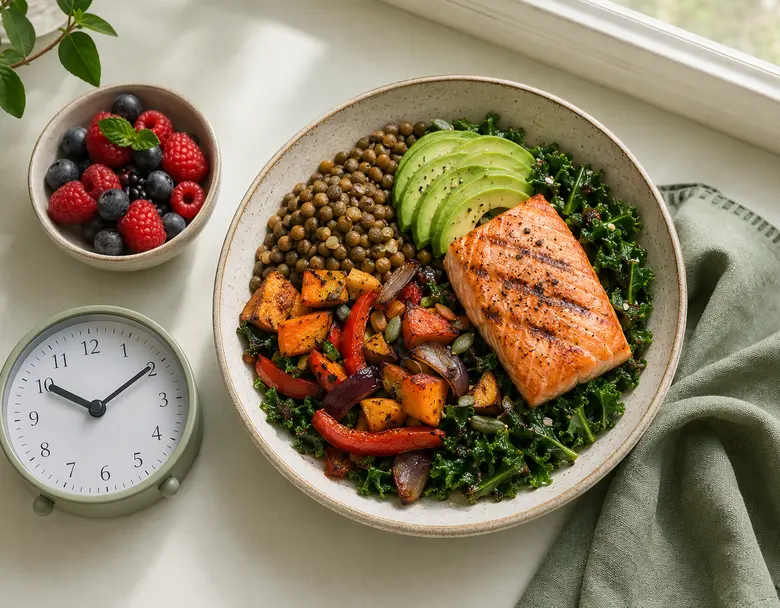
Yes. Intermittent fasting changes when you eat, but it does not make food quality irrelevant. A fasting window can reduce the number of eating opportu...

Good mental health usually isn't one big thing you fix. It's built from a lot of small, ordinary choices — how you sleep, how you move, who you spend...

Intermittent fasting for weight loss may help some adults by creating a clearer eating routine, reducing late-night snacks, and making total intake ea...

Intermittent fasting science suggests that meal timing can change how the body uses energy, but it does not prove that fasting is automatically better...

For most healthy adults, no. Intermittent fasting does not require you to change your exercise routine. You can generally keep the same workouts, the...

Hunger during fasting is common, but not every urge to eat is the same. Sometimes it is physical hunger. Other times it may be thirst, habit, stress,...

Breathing is one of the few parts of the stress response you can steer on purpose. You cannot decide to lower your heart rate directly, but you can sl...

Walking's biggest strength is not that it burns the most calories. Minute for minute, running actually burns more, and no terrain changes that. What m...