




Intermittent Fasting: A Complete Guide to Schedules, Food, and Safety
Intermittent fasting is an eating pattern that alternates between periods of eating and periods without food. It focuses mainly on when you eat, but t...
Evidence-based guides, plans, and answers — reviewed by registered dietitians.


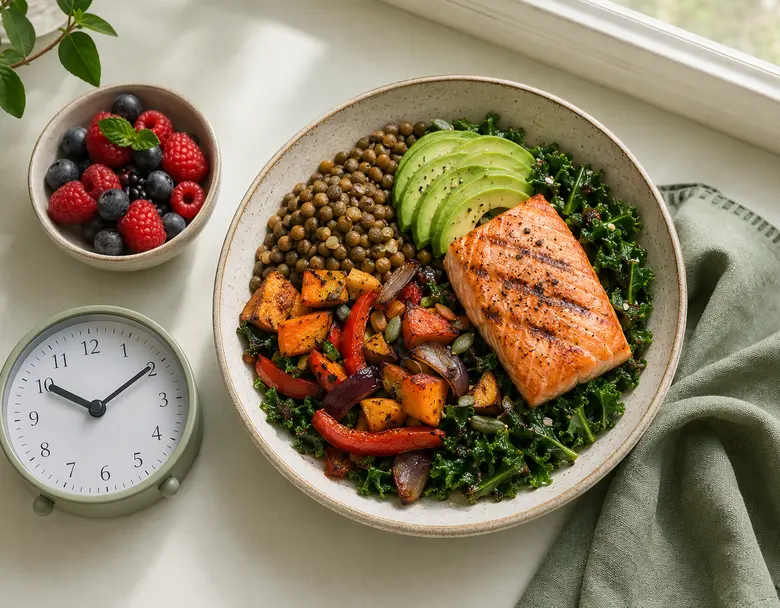



Intermittent fasting and weight training can coexist, but the fasting schedule should support—not compete with—your training. The key questions are wh...
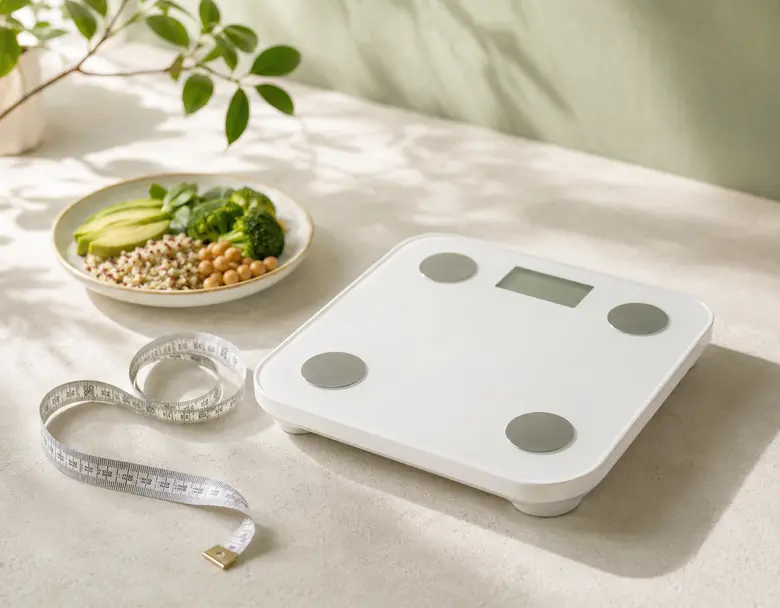
Intermittent fasting does not produce a guaranteed amount of weight loss. Some people find that a fasting schedule helps them create an eating pattern...
Yes. Intermittent fasting can contribute to constipation for some people when a shorter eating window changes meal volume, fiber intake, fluids, or ba...
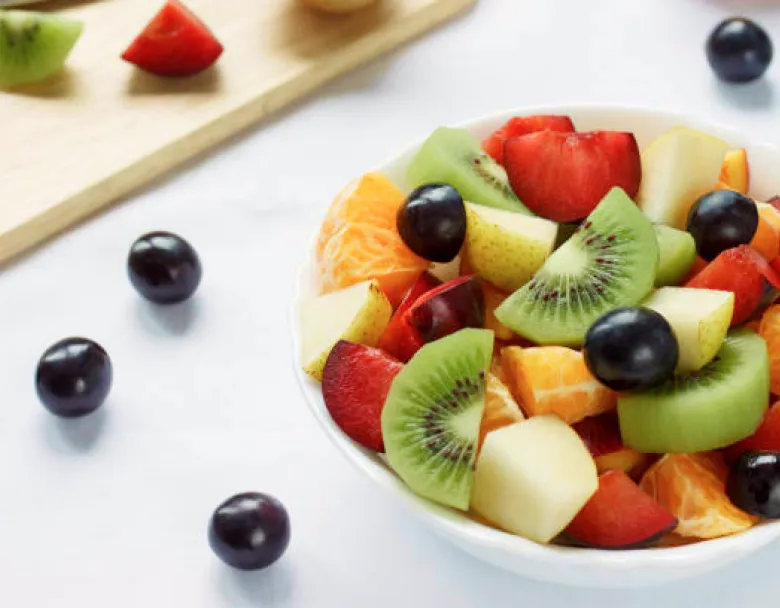
No. During a strict, calorie-free intermittent-fasting window, fruit ends the fast because it is food that provides calories. Whole fruit, dried fruit...
Stopping intermittent fasting does not automatically make you regain body fat. A change on the scale in the first few days may partly reflect food in...
No. You can use intermittent fasting without counting calories. A fasting schedule may be a useful way to bring more structure to when you eat, but it...

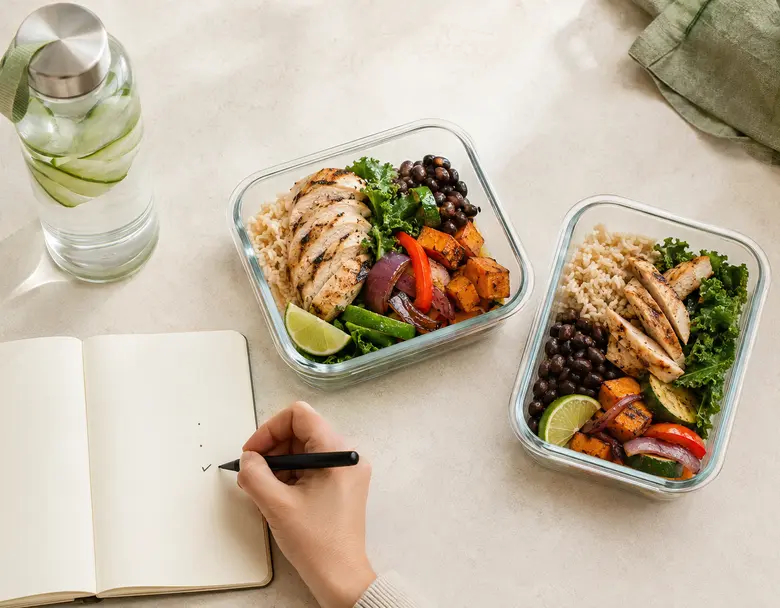
Healthy snacks for intermittent fasting belong in the eating window, not a clean fasting window. A snack with calories ends a calorie-free fast; once...

For a strict water-only fast, choose plain water: lemon and turmeric are added food ingredients. For everyday intermittent fasting, a small amount may...
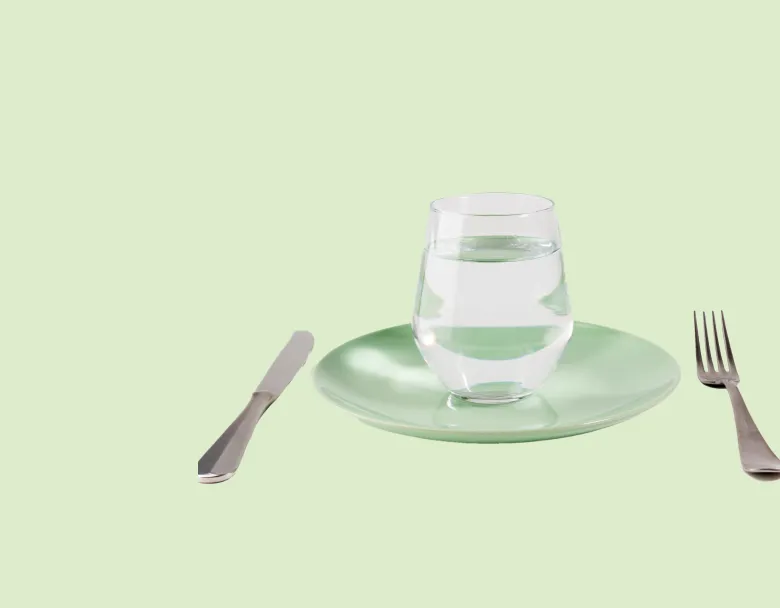
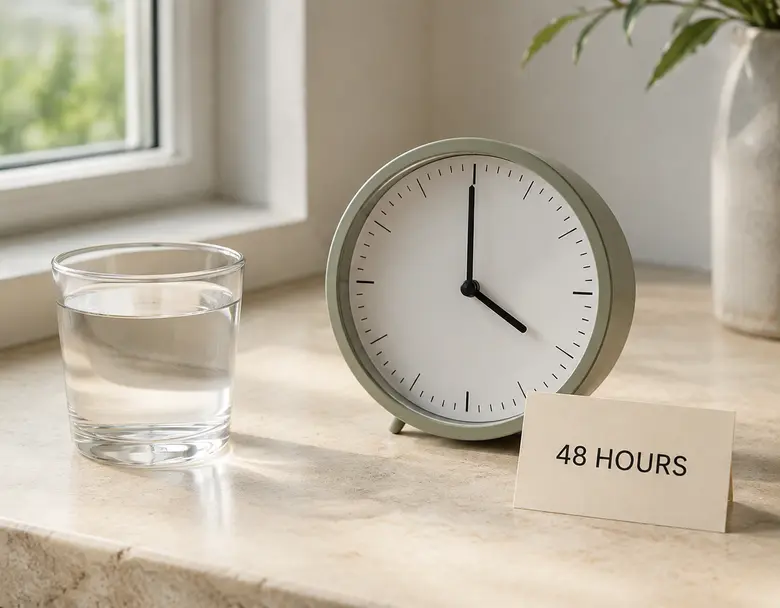
Water fasting means consuming only water and no food for a continuous period. It is different from everyday intermittent fasting, where food is still...

Intermittent fasting is not a treatment for prediabetes, and this page cannot choose a fasting schedule for you. The useful question is whether a chan...