



Intermittent Fasting: A Complete Guide to Schedules, Food, and Safety
Intermittent fasting is an eating pattern that alternates between periods of eating and periods without food. It focuses mainly on when you eat, but t...
Evidence-based guides, plans, and answers — reviewed by registered dietitians.




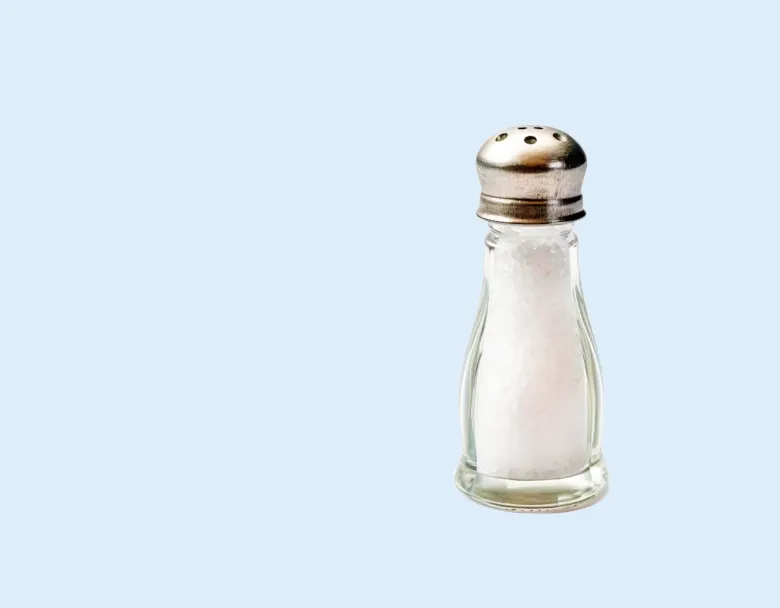
After one salty meal, you may feel thirsty or temporarily bloated or puffy. If you otherwise feel well, return to your usual drinking routine and choo...

During a calorie-free fasting window, keep food and calorie-containing drinks for later. During the eating window, intermittent fasting does not requi...

For a calorie-free fasting window, save milk tea for your eating window. Plain, unsweetened tea is the simpler choice while fasting. Milk and many mil...

It is possible for some people, but 10 kg (22 lb) in eight weeks is an aggressive target, not a result intermittent fasting can promise. It averages 1...
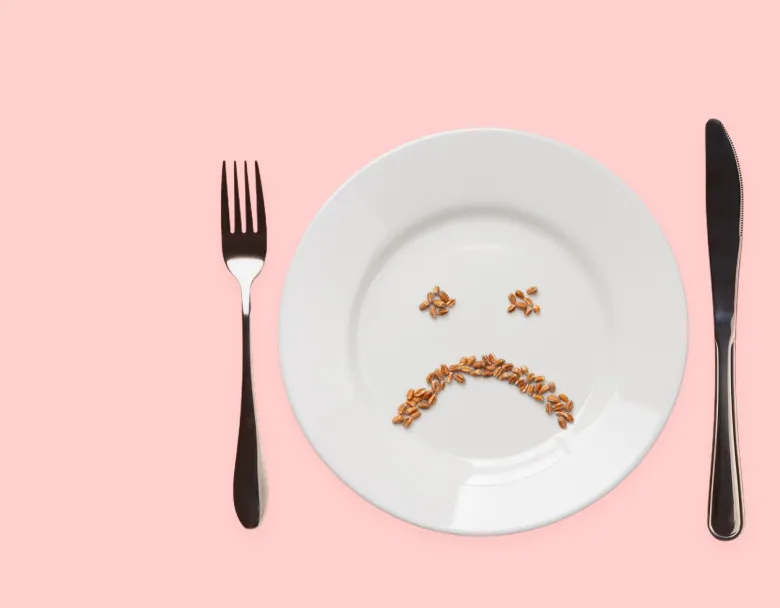
Stop an intermittent fast if you feel faint, confused, unusually weak, or unable to do your normal activities. Call your local emergency number for ch...

Feeling tired during intermittent fasting can have several explanations. A shorter eating window may make it harder to eat enough, drinking habits may...
Yes, intermittent fasting may contribute to constipation for some people, usually through changes that come with a new eating routine rather than a pr...
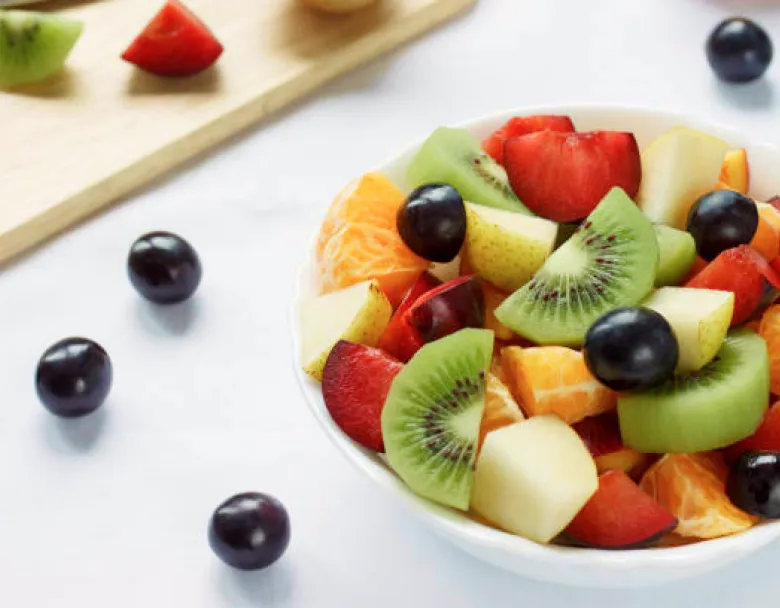
No, not during a calorie-free fasting window. An apple, a few berries, or even avocado provides calories and ends that window. You can eat fruit once...

Not automatically. Stopping intermittent fasting changes when you can eat; it does not by itself force body-fat regain. The scale may rise over a few...
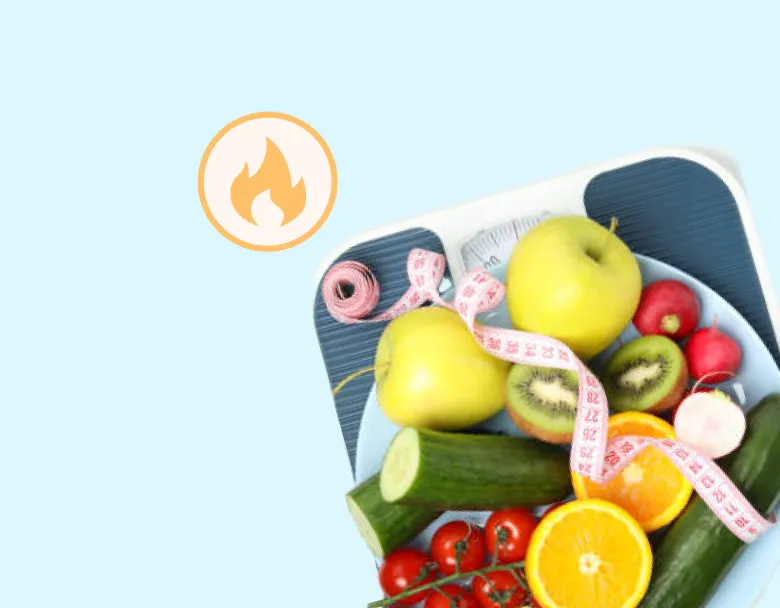
No. You can follow an intermittent fasting schedule without counting calories. Fasting sets a time to eat; it does not require you to log or calculate...