







Intermittent Fasting: A Complete Guide to Schedules, Food, and Safety
Intermittent fasting is an eating pattern that alternates between periods of eating and periods without food. It focuses mainly on when you eat, but t...
Evidence-based guides, plans, and answers — reviewed by registered dietitians.




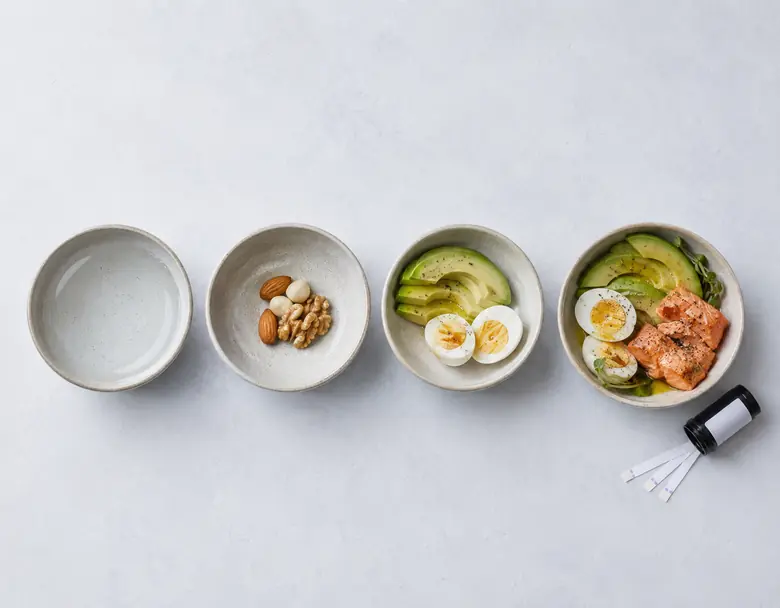
Keto and intermittent fasting results after 30 days can include a change on the scale, a change in eating habits, or a clear sign that the combined pl...

Diarrhea that starts while you are intermittent fasting does not automatically mean fasting is the cause. It may happen around a change in meal timing...

Intermittent fasting can help some people lose weight, but it does not make weight loss automatic. A fasting schedule changes when you eat; it does no...
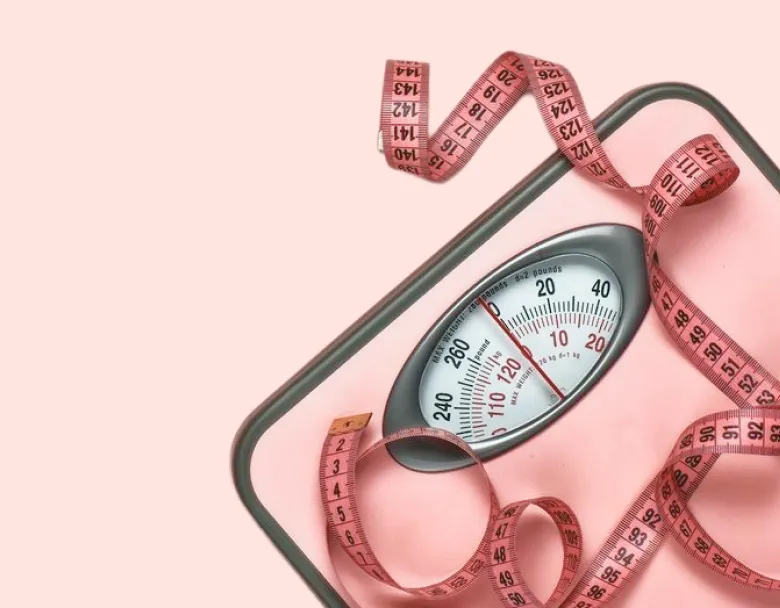
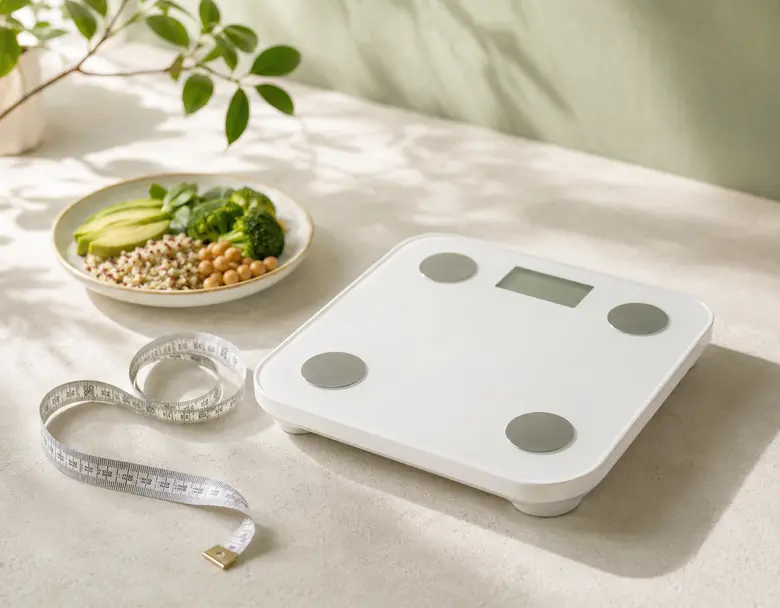
For many adults, a gradual range of about 4 to 8 pounds (2 to 4 kg) in a month is often used as a general reference. It comes from the commonly cited...

Does intermittent fasting slow or permanently “ruin” your metabolism? It is not accurate to treat that as an automatic outcome of every fasting routin...
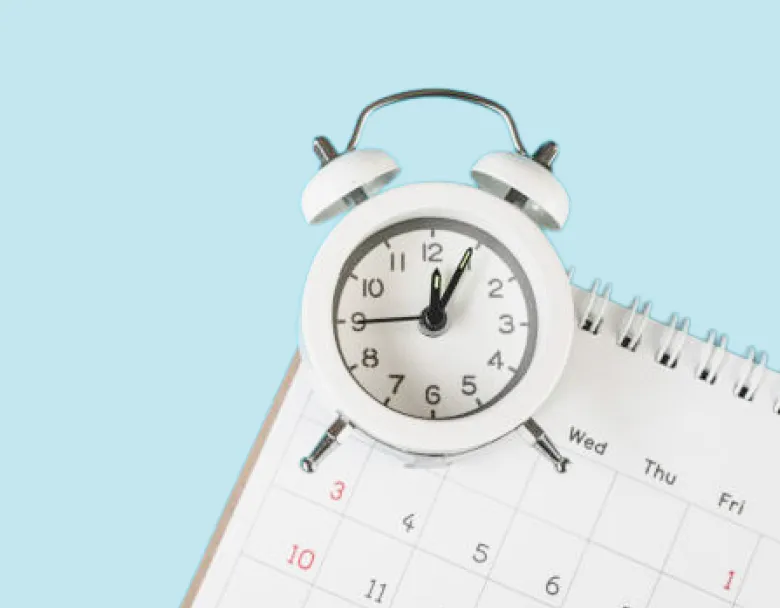
If you cannot stick to intermittent fasting, it does not mean you failed. It may mean that the fasting window, meal pattern, schedule, or health conte...

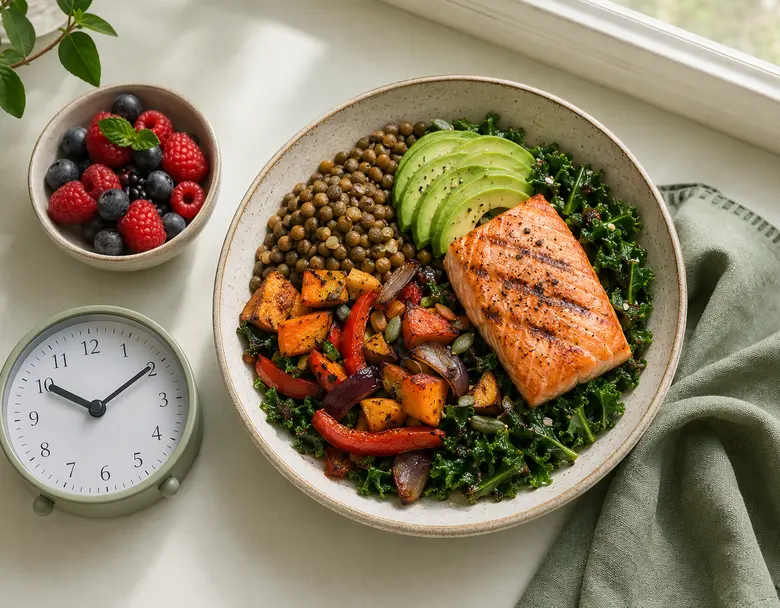
During a calorie-free fasting window, avoid foods and calorie-containing drinks because they end the fast. During your eating window, no food is unive...
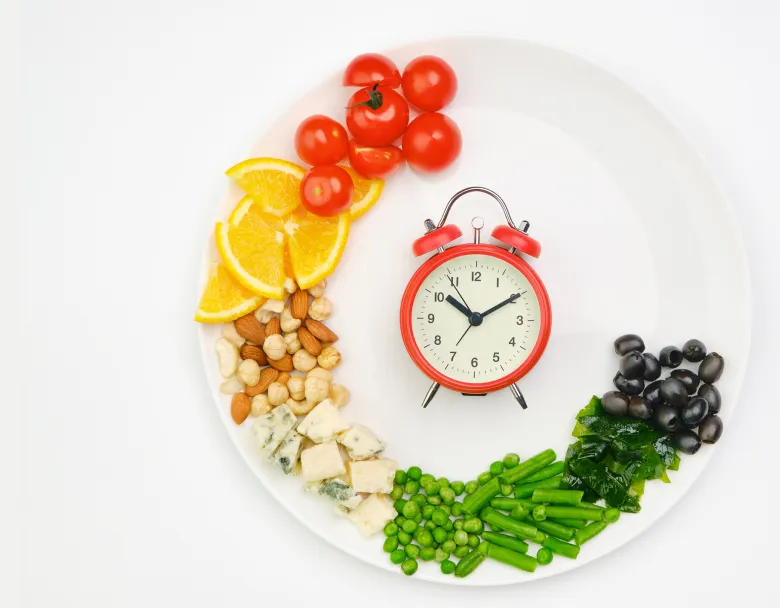
There is no single best intermittent fasting schedule for everyone. The most useful starting point is usually the shortest fasting window you can foll...

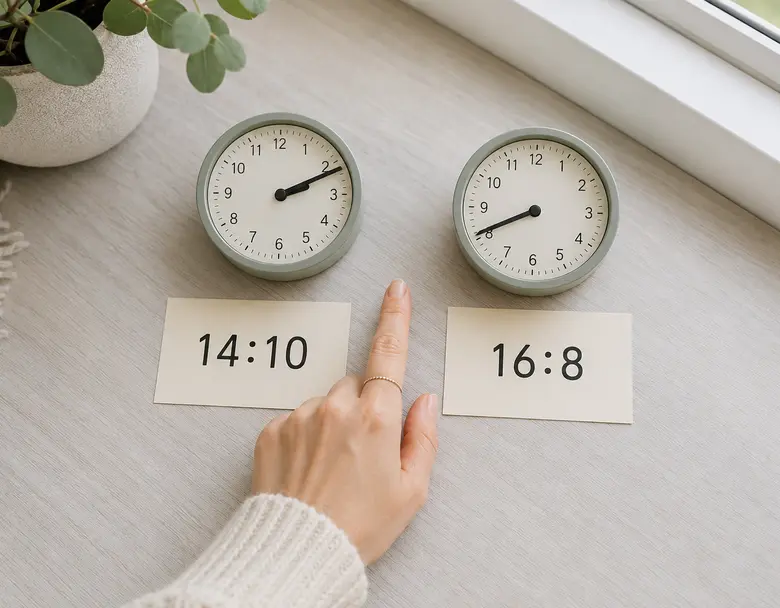
For most beginners, a 12:12 or 14:10 intermittent fasting schedule is a more realistic place to start than jumping straight to 16:8 or longer fasts. C...

Bedtime gratitude is a short reflection on a few things that went well, felt meaningful, or brought a little comfort during the day. It may help some...