



Intermittent Fasting: A Complete Guide to Schedules, Food, and Safety
Intermittent fasting is an eating pattern that alternates between periods of eating and periods without food. It focuses mainly on when you eat, but t...
Evidence-based guides, plans, and answers — reviewed by registered dietitians.


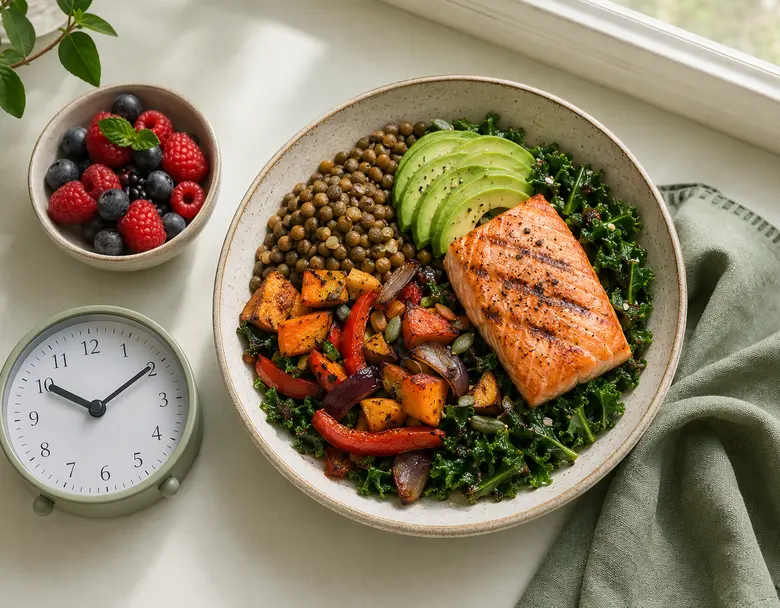


To change your fasting window without making it harder, first identify whether you are changing the fasting length, the clock time of your meals, or b...

There is no evidence that every healthy adult must eat breakfast to be healthy. But that does not mean long-term breakfast skipping has been proven ha...
Better sleep rarely comes from one perfect bedtime trick. For many adults, it begins with enough time for sleep, a schedule that is reasonably repeata...
“Fat is bad for you” is not a useful nutrition rule. Your body needs dietary fat, and foods such as nuts, seeds, avocado, fish, and many liquid plant...
If you accidentally eat or drink calories during a strict, calorie-free intermittent fast, that fasting window has ended. One bite does not erase your...

Meditation is often described as a way to erase anxiety, heal trauma, or fix every stressful day. The evidence supports a more modest and more useful...

There is no universal yes-or-no answer. Intermittent fasting is not a treatment for period pain, PMS, missed periods, or hormonal concerns, and there...

Bloating after eating can happen for several reasons. Gas is a common one, but the feeling can also relate to how quickly you ate, the size of the mea...
It depends on the formula and the purpose of your fast. Plain, unsweetened psyllium is different from a sweetened drink mix, gummy, or ready-to-drink...

Rotational fasting is an intermittent fasting approach where your fasting schedule changes across the week instead of staying the same every day. A pe...