



Intermittent Fasting: A Complete Guide to Schedules, Food, and Safety
Intermittent fasting is an eating pattern that alternates between periods of eating and periods without food. It focuses mainly on when you eat, but t...
Evidence-based guides, plans, and answers — reviewed by registered dietitians.


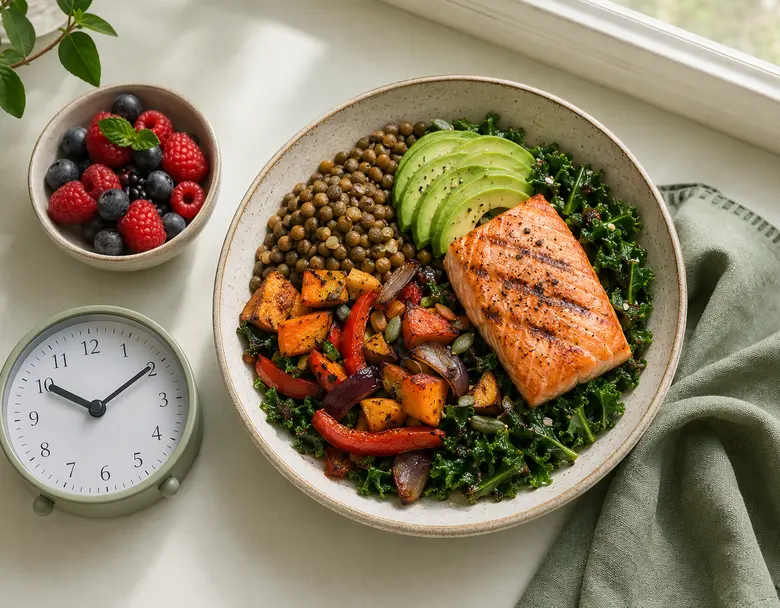



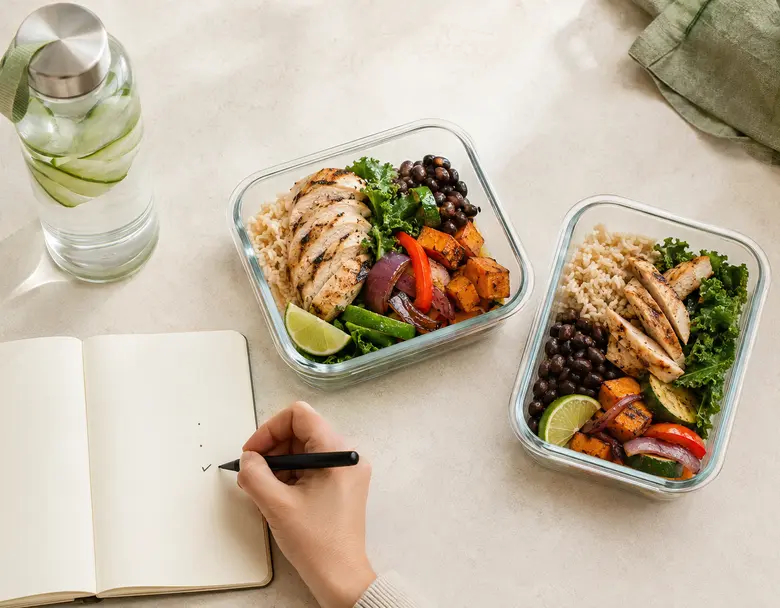
You can combine intermittent fasting with a plant-based diet, but the eating window has to do real nutrition work. The goal is not just to avoid anima...
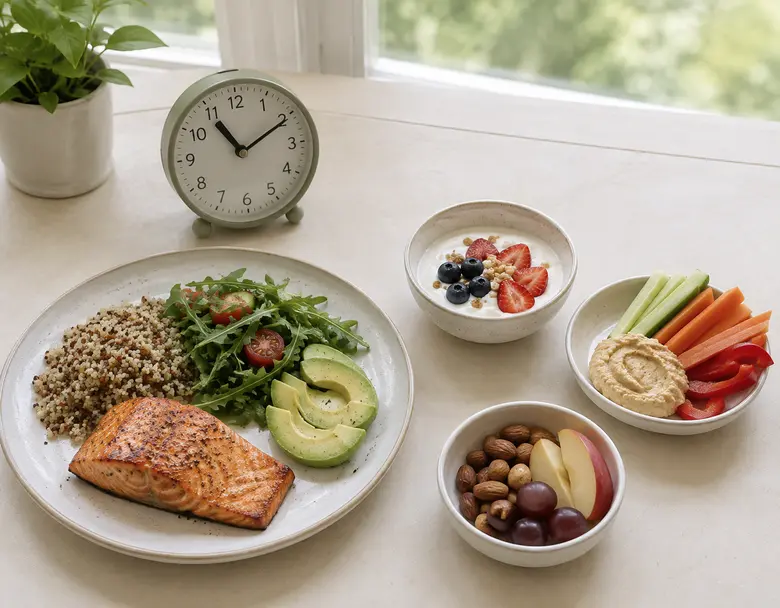
Intermittent fasting and small, frequent meals can both be used as eating structures for weight loss, but neither one automatically works better for e...
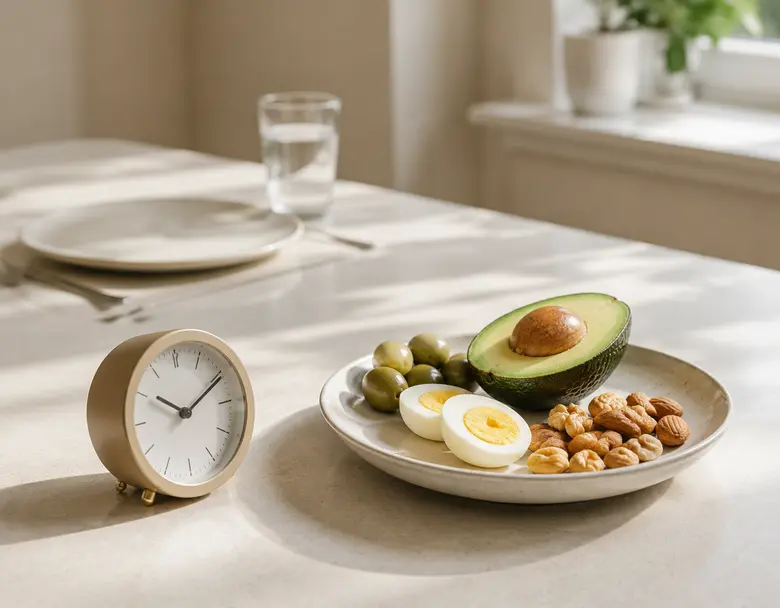
Fat fasting usually refers to a short, very high-fat, low-calorie eating pattern, often discussed in keto communities. It is not the same as standard...
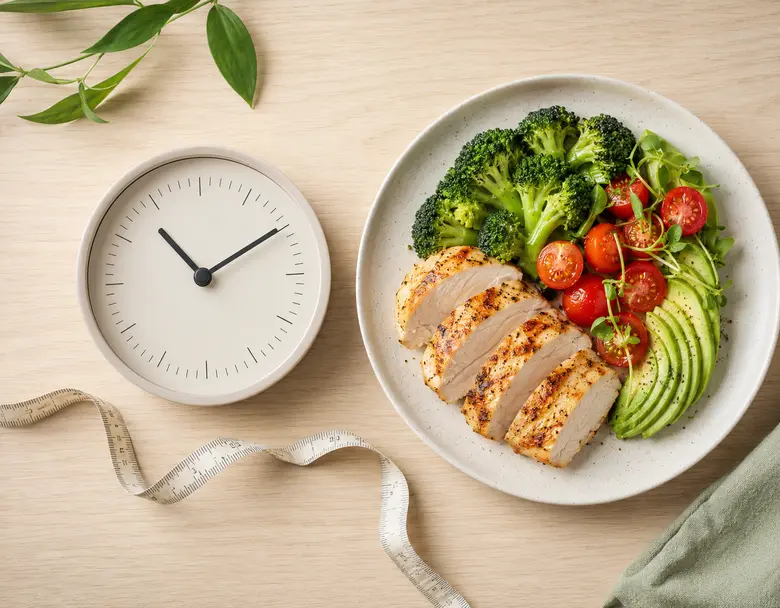
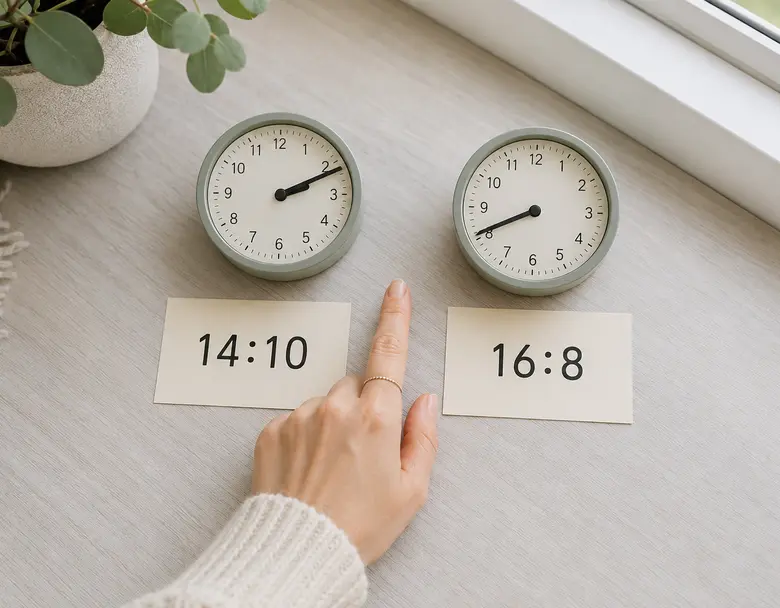
The best intermittent fasting schedule for weight loss is usually the one that helps you reduce unplanned eating and follow a balanced eating pattern...

No alcohol is truly fasting-friendly. Beer, wine, spirits, and cocktails contain calories, so drinking them during a fasting window ends a calorie-fre...
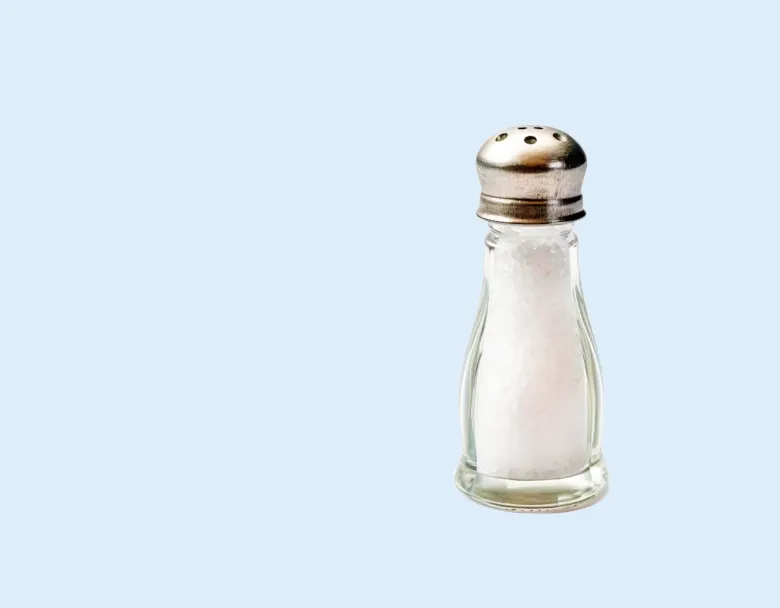
After a very salty meal, you may feel thirsty, bloated, or puffy because your body temporarily holds on to more water. Those short-term effects are di...

You may be able to lose a substantial amount of weight in two months, but losing 10 kg in eight weeks is an aggressive target. It is not guaranteed, a...
If intermittent fasting is not changing your weight, the fasting window may not be creating a lower overall energy intake, or the scale may be hiding...

Going to bed a little hungry can happen when you start intermittent fasting or end your eating window several hours before sleep. But strong, repeated...
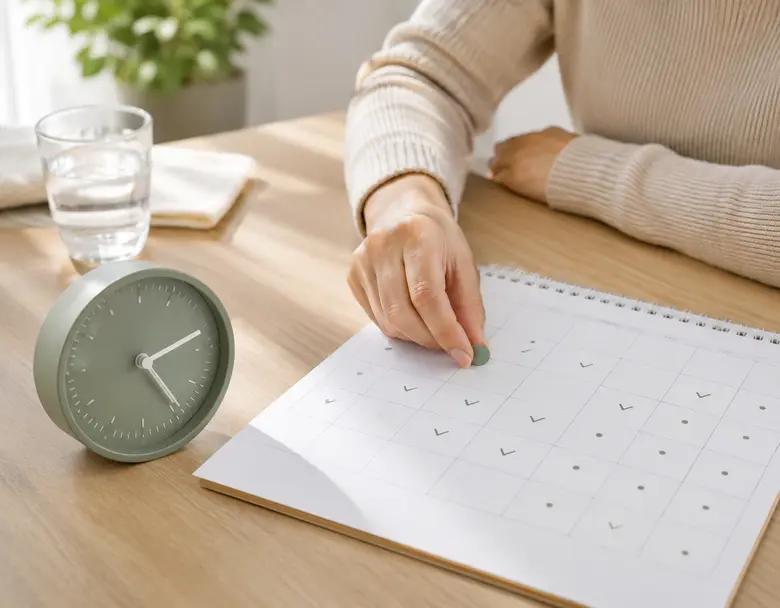
The long-term effects of intermittent fasting depend on the schedule, food quality, health history, activity level, and whether the routine stays sust...