










Intermittent Fasting: A Complete Guide to Schedules, Food, and Safety
Intermittent fasting is an eating pattern that alternates between periods of eating and periods without food. It focuses mainly on when you eat, but t...
Evidence-based guides, plans, and answers — reviewed by registered dietitians.





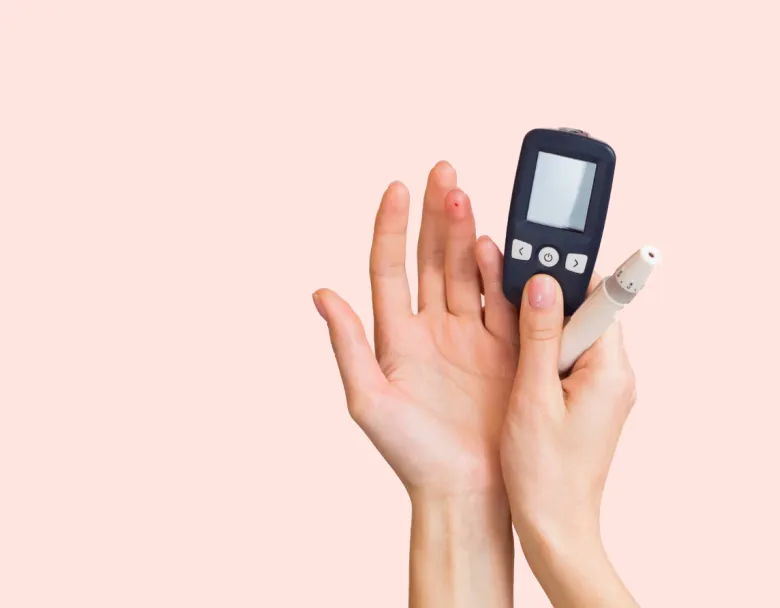
If you have diabetes, intermittent fasting is not simply a decision about meal timing. It can affect blood glucose, medication timing, carbohydrate in...

Fasted exercise can increase the proportion of fat used as fuel during a particular workout, especially after an overnight fast.[3] That immediate fue...

There is no single required fasting length for everyone. If you are new to intermittent fasting, a 12- to 14-hour overnight fast is a reasonable place...

High-intensity interval training (HIIT) alternates short, hard efforts with easier recovery periods. It can be time-efficient and improve cardiorespir...

Intermittent fasting gives your day a clearer eating structure, but it does not decide what should go on your plate. The eating window still needs eno...
Intermittent fasting does not happen in isolation. Your fasting window interacts with exercise, walking, sleep, stress, work schedule, recovery, caffe...
Metabolic health is one of the most sensitive topics in intermittent fasting. Many people are interested in fasting because of claims about metabolism...

Choosing an intermittent fasting plan means choosing a repeatable eating schedule, not chasing the longest possible fast. A useful plan should fit you...
Intermittent fasting may help some people manage weight because it creates a clearer eating structure and may reduce opportunities for unplanned eatin...
Intermittent fasting is not only a schedule. It is also a behavior pattern. The fasting window can be simple on paper, but real life brings hunger, cr...