






Intermittent Fasting: A Complete Guide to Schedules, Food, and Safety
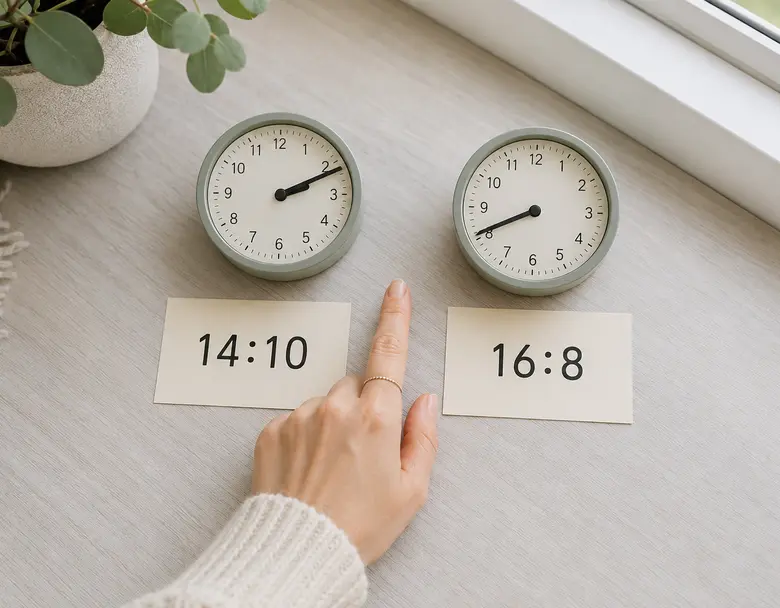
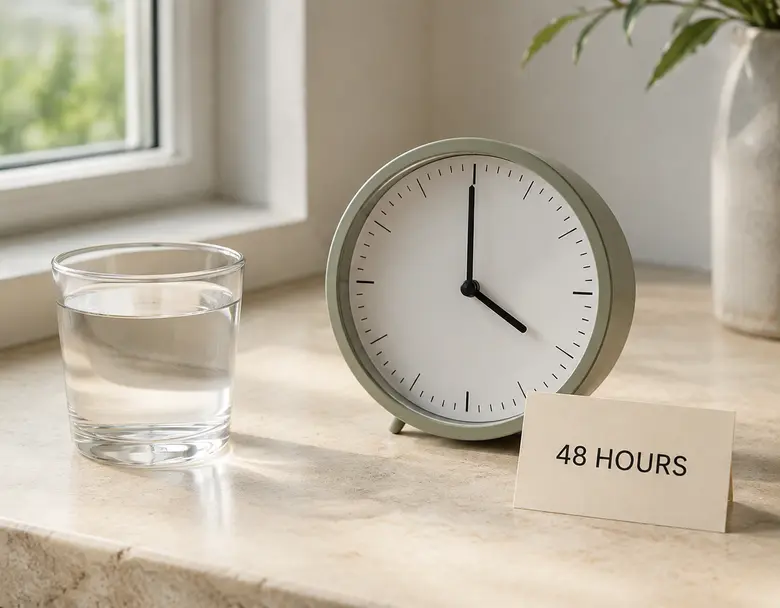
Intermittent fasting is an eating pattern that alternates between periods of eating and periods without food. It focuses mainly on when you eat, but t...
Evidence-based guides, plans, and answers — reviewed by registered dietitians.

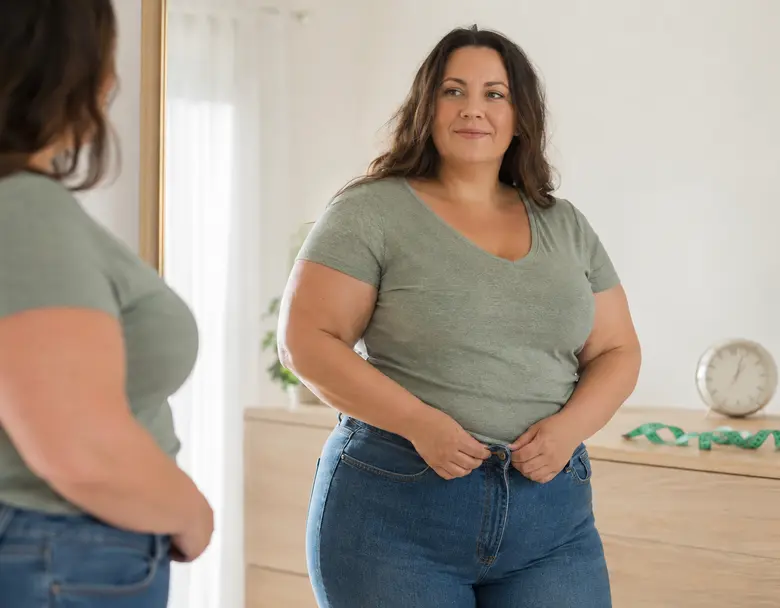


Intermittent fasting for women should be approached with flexibility. The right fasting pattern can depend on age, menstrual cycle changes, stress, sl...
A1C is a blood test that reflects average blood glucose over about the past 3 months. It is not the same as a one-time fasting blood sugar reading, an...
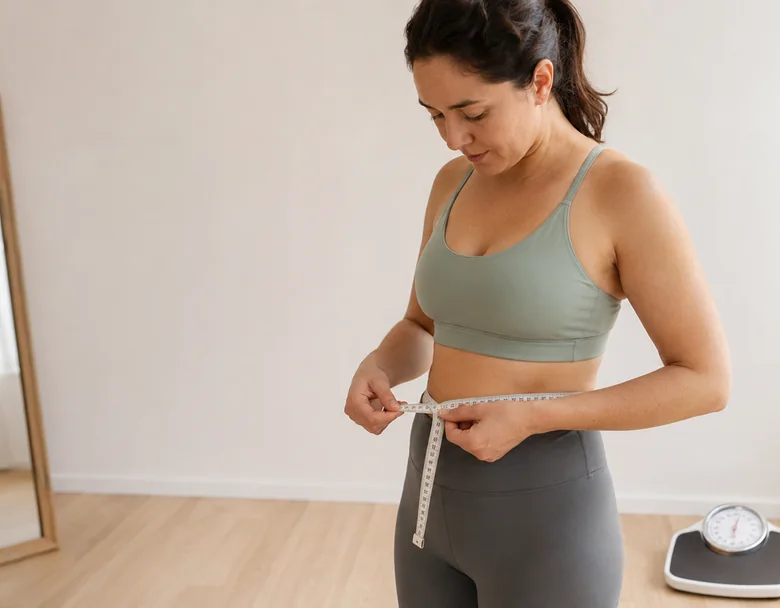
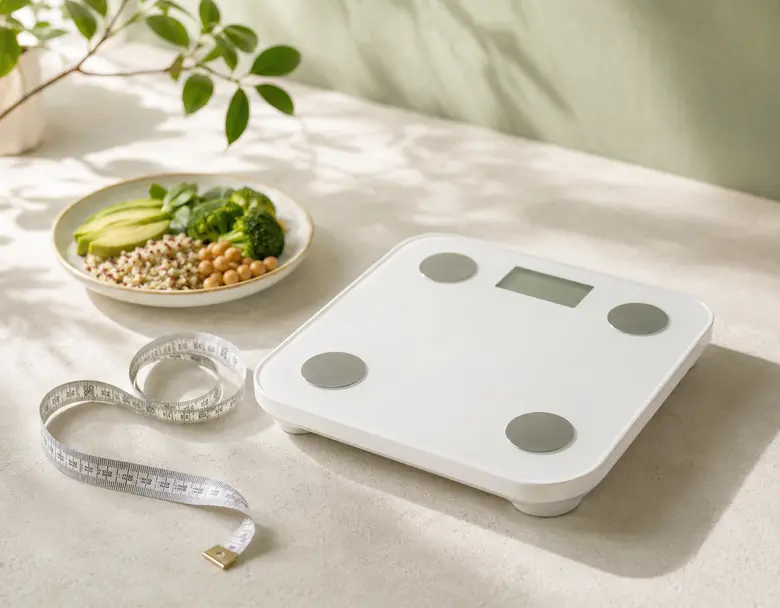
BMI can be a quick screening number based on height and weight, but it is not a complete picture of health or body composition. During intermittent fa...

Fasting motivation is easiest to maintain when your routine is realistic. If your plan is too strict, every busy morning, late dinner, craving, social...
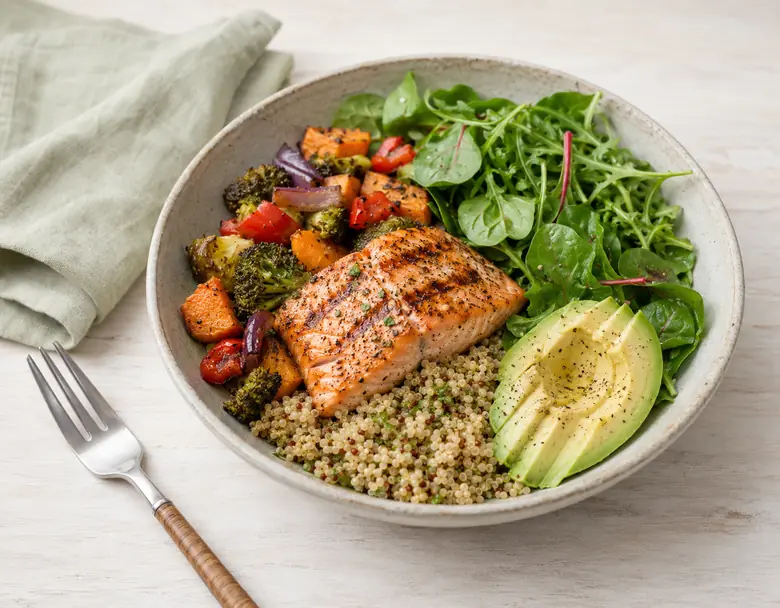
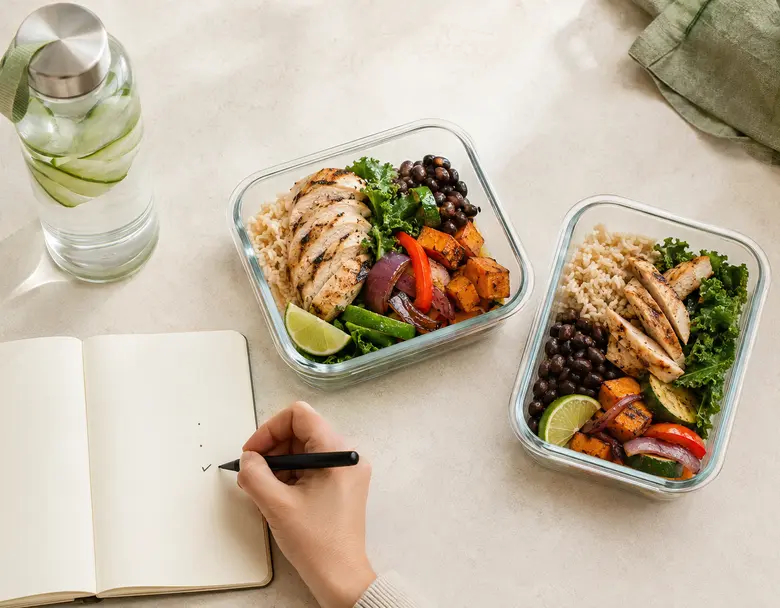
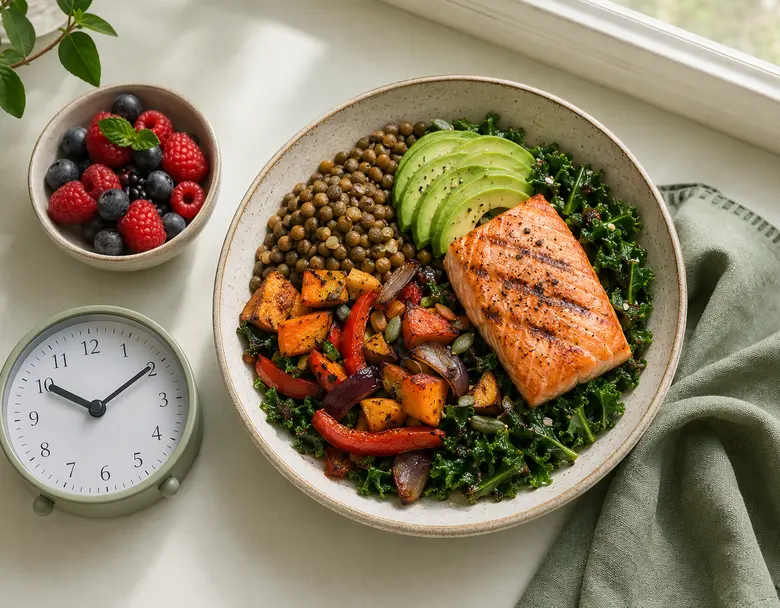
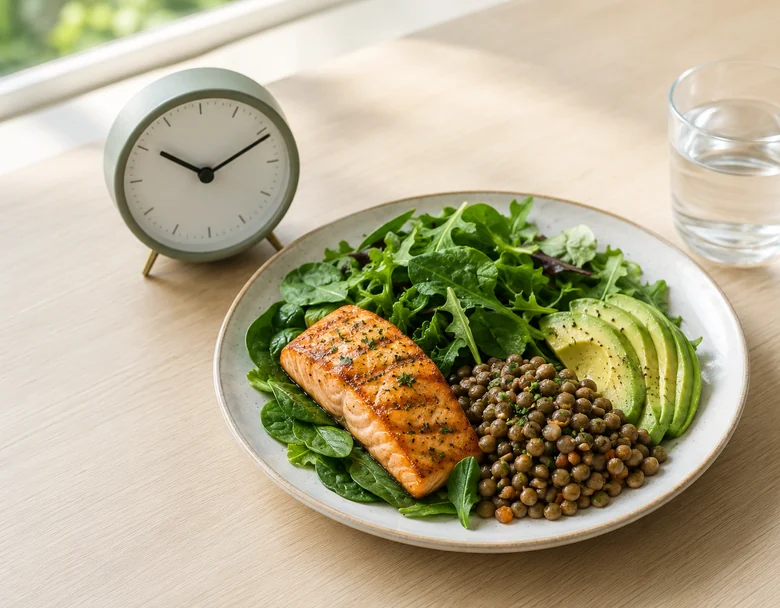
Fasting recipes for weight loss should make your eating window easier, not smaller at all costs. The best default is a balanced meal that includes pro...

A habit streak can make intermittent fasting feel more visible and motivating, but it should not turn your routine into an all-or-nothing test. The he...

There is no single number of steps a day that guarantees weight loss. Steps can help because walking increases the calories your body uses, but weight...
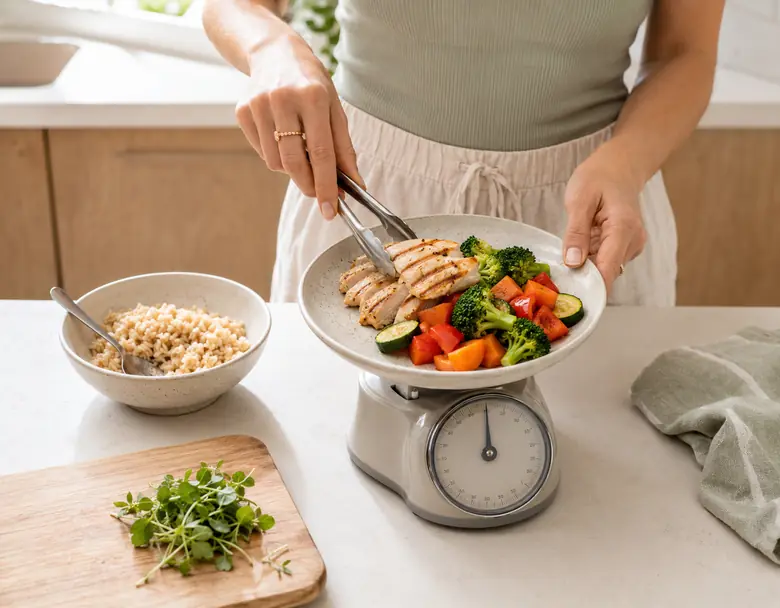
A calorie deficit means your body uses more energy than you take in from food and drinks. Intermittent fasting can help some people create that defici...

To reduce cravings while intermittent fasting, start by making the routine less punishing: eat more satisfying meals during your window, keep sleep an...

Stopping emotional eating is not about becoming stricter or proving more willpower. Emotional eating often involves stress, boredom, habits, cues, acc...