






Intermittent Fasting: A Complete Guide to Schedules, Food, and Safety
Intermittent fasting is an eating pattern that alternates between periods of eating and periods without food. It focuses mainly on when you eat, but t...
Evidence-based guides, plans, and answers — reviewed by registered dietitians.





To stop stress eating without stricter fasting rules, start by changing the pattern around the urge, not by blaming willpower. Stress eating often inv...

Intermittent fasting for PCOS should be approached carefully. PCOS can involve irregular periods, hormones, insulin resistance, fertility concerns, ch...

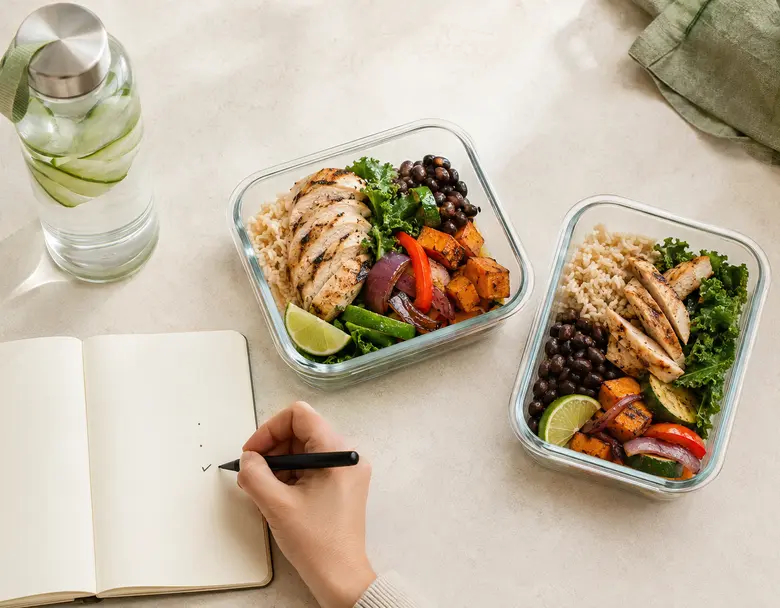
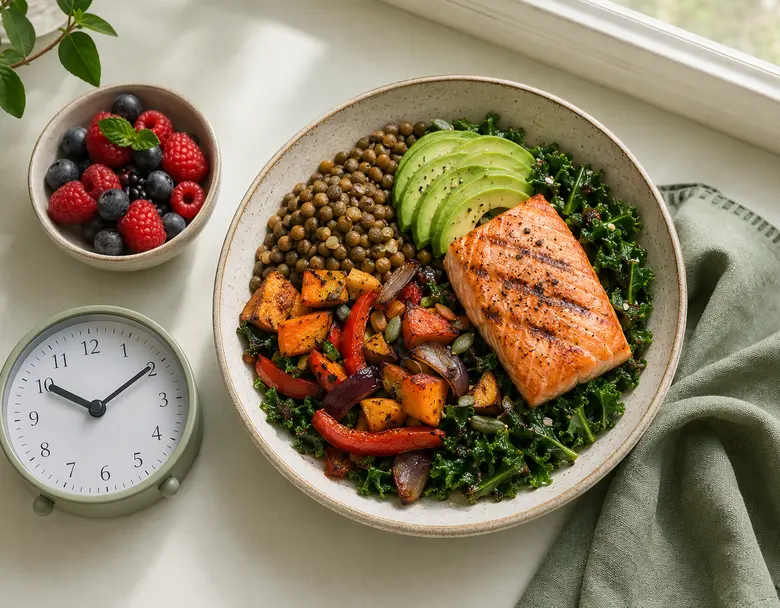
Intermittent fasting meals for your eating window should be simple, balanced, and easy to repeat. Build eating-window meals around protein foods, vege...
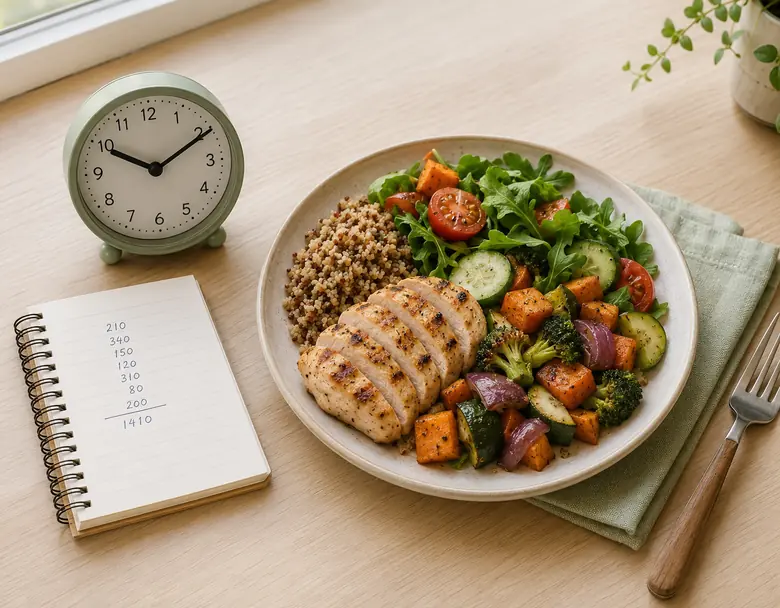
Intermittent fasting changes when you eat. Calorie counting tracks how much energy you eat and drink. Neither approach is automatically better for wei...
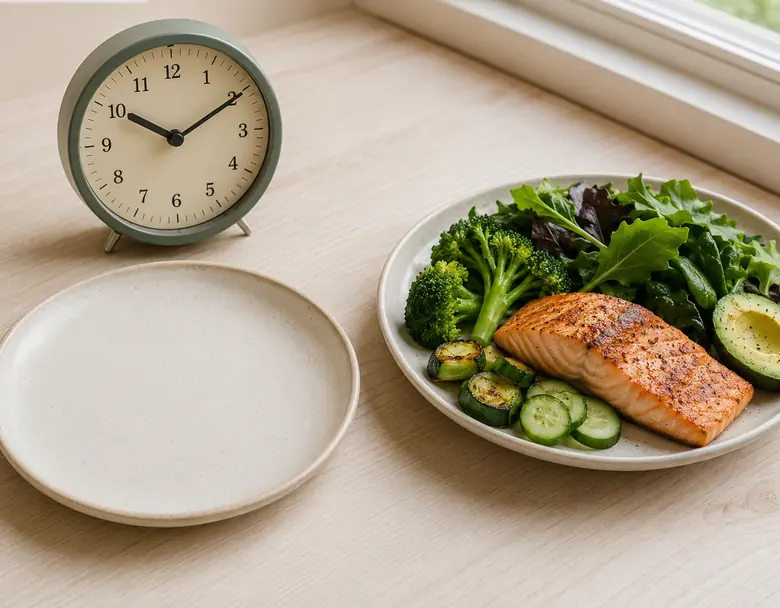
Intermittent fasting and low carb can both support weight loss for some people, but they work through different levers. Intermittent fasting changes w...

Light exercise while fasting can fit some routines, especially walking or gentle movement, but it should feel manageable. If fasting makes activity fe...

Metabolic flexibility is the body's ability to adapt fuel use to changing demands, such as eating, fasting, rest, and activity.[1] Intermittent fastin...
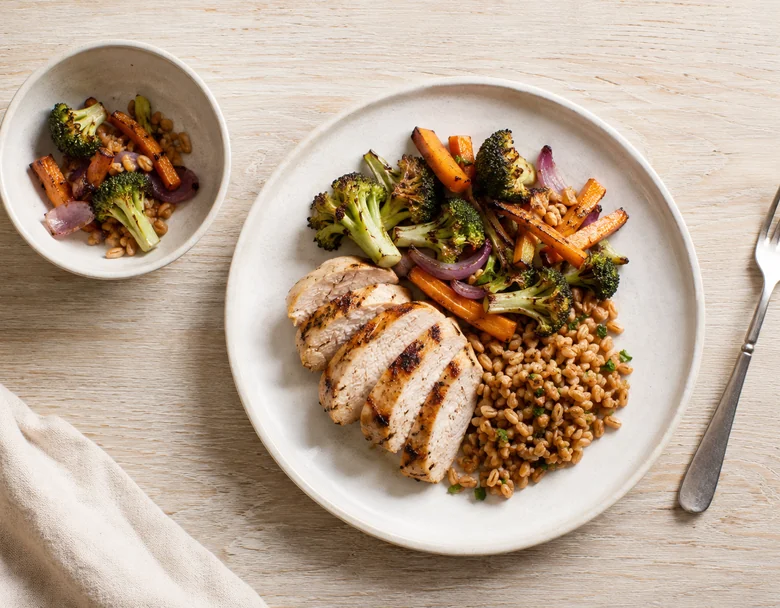
A calorie deficit means your body uses more calories than you take in over time. For weight loss, this energy gap matters whether you follow intermitt...

12/12 intermittent fasting means fasting for 12 hours and eating during the other 12 hours of the day. For many people, it is one of the gentlest ways...
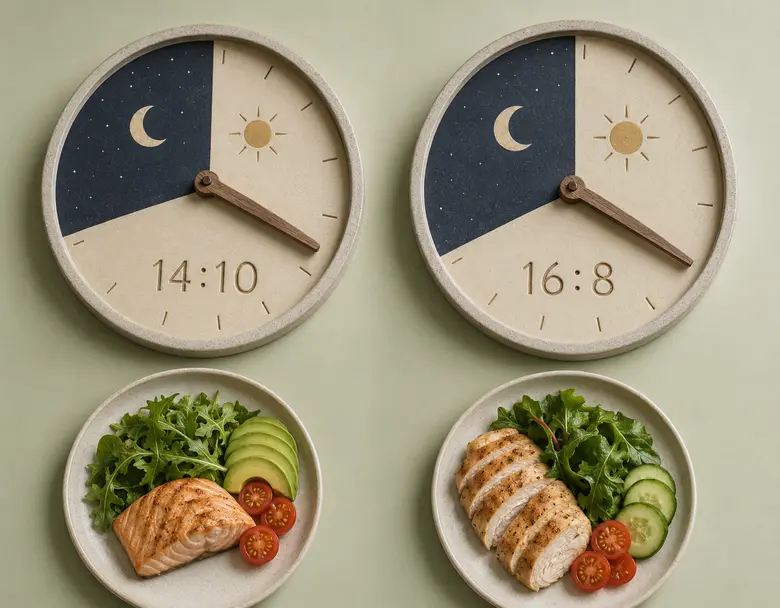
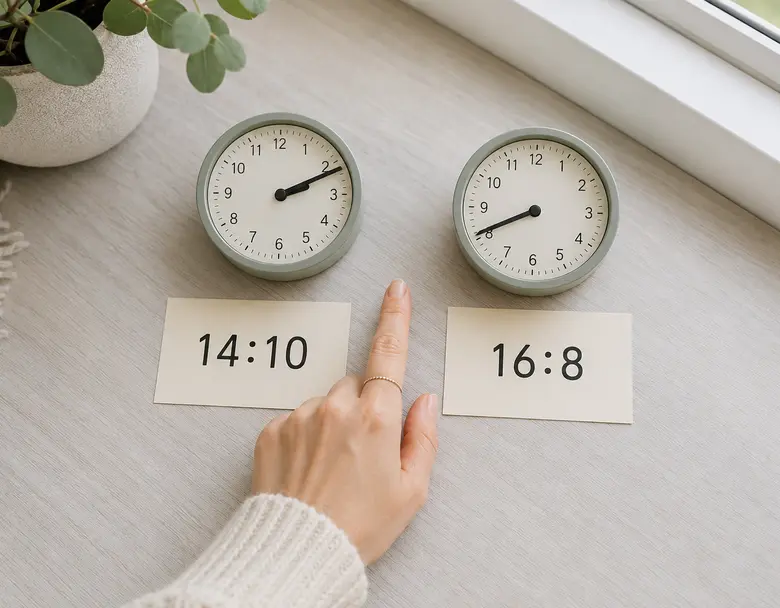
For most beginners, 14/10 is the gentler place to start. 16/8 can work for some people, but the extra two fasting hours are not automatically better....