







Intermittent Fasting: A Complete Guide to Schedules, Food, and Safety
Intermittent fasting is an eating pattern that alternates between periods of eating and periods without food. It focuses mainly on when you eat, but t...
Evidence-based guides, plans, and answers — reviewed by registered dietitians.


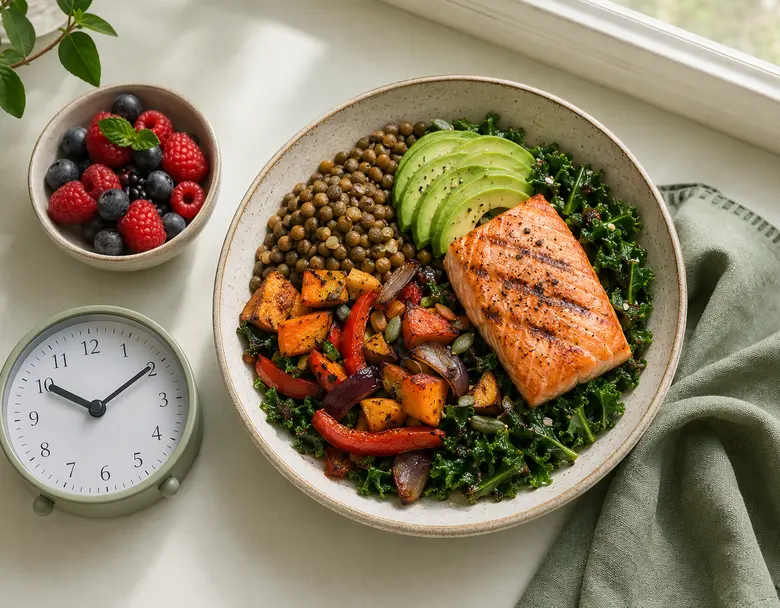



If you have diabetes, do not start 16/8 intermittent fasting as a self-guided experiment. A 16-hour fast can change meal timing, medication timing, ac...

The main benefit of 16/8 intermittent fasting is structure: you fast for 16 hours and eat within an 8-hour window, which can make meal timing simpler...
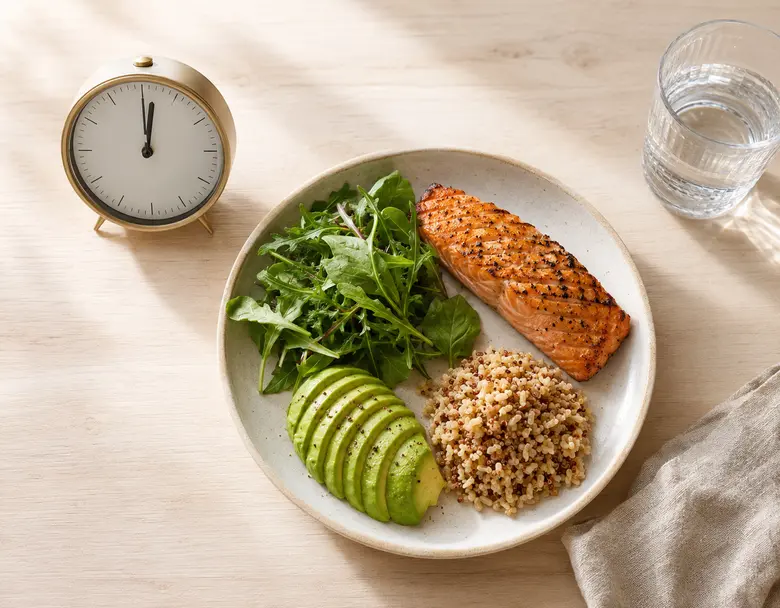
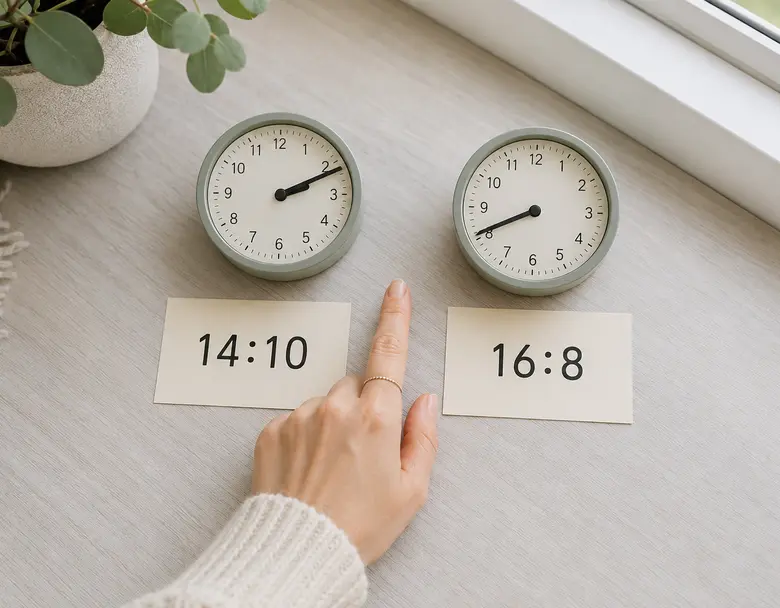
A 16/8 intermittent fasting diet plan means fasting for 16 hours and eating during an 8-hour window. For weight loss, the plan works only if the eatin...

With 16/8 intermittent fasting, results vary. Some people notice routine changes in the first week, such as fewer late-night snacks or a clearer meal...
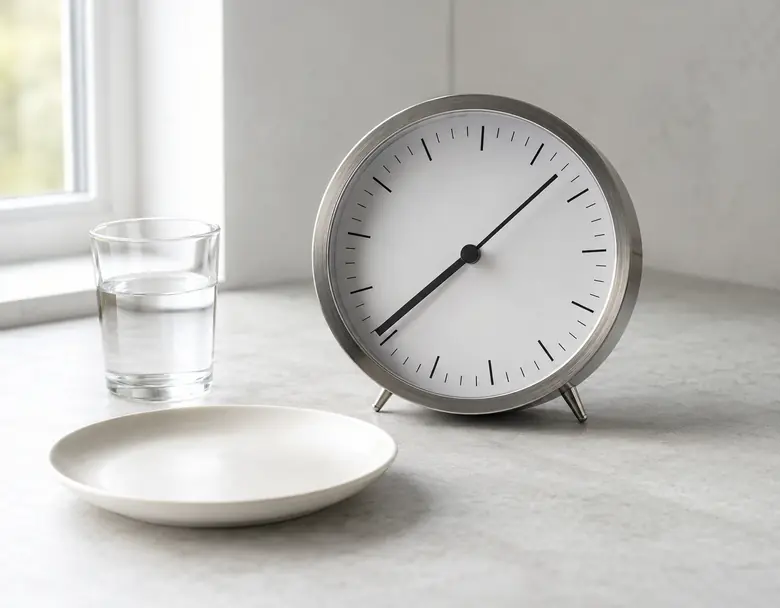
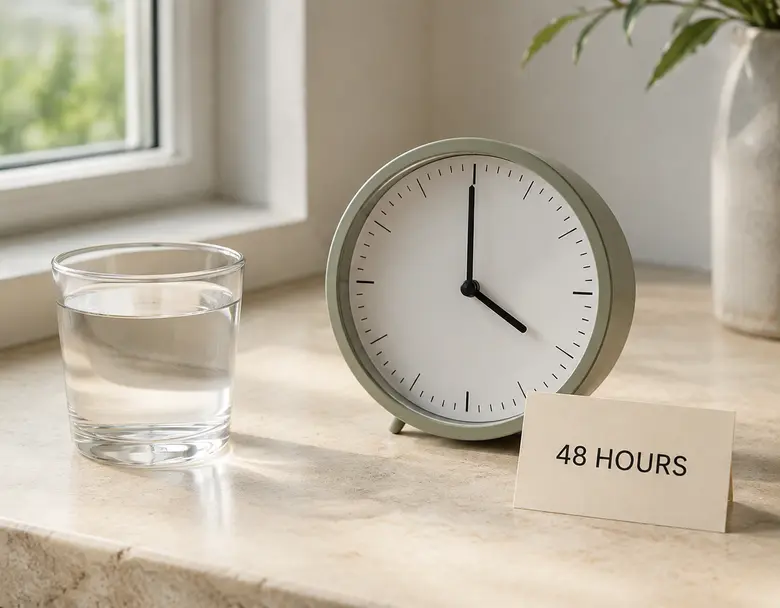
A 24-hour intermittent fast means going a full day between calorie-containing meals or drinks, such as dinner to dinner or breakfast to breakfast. It...
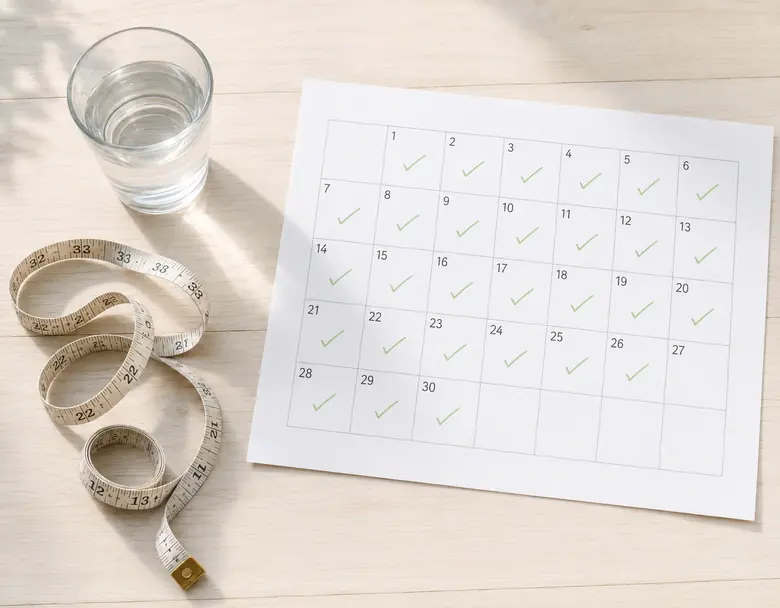
After 30 days of intermittent fasting, realistic results may include better meal structure, less late-night snacking, early weight change, improved aw...
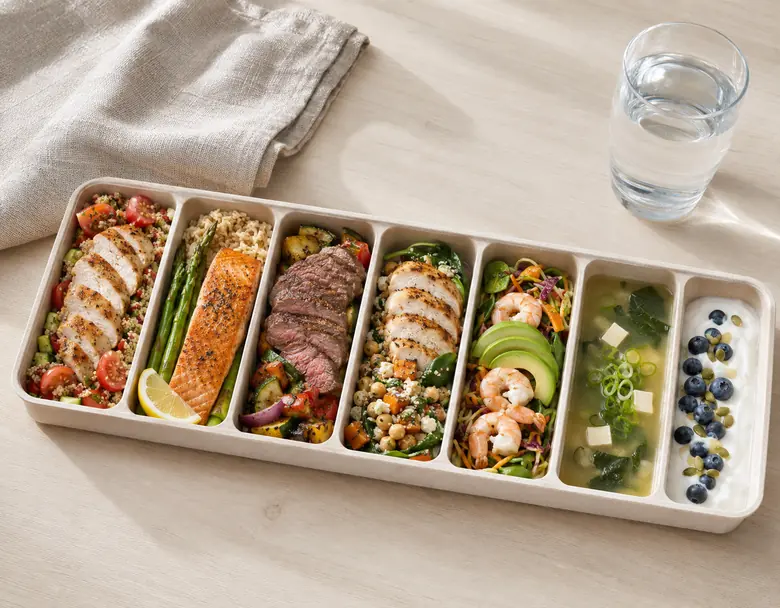
The 5:2 intermittent fasting diet usually means eating normally on five days of the week and using two lower-calorie days. The most useful plan is not...
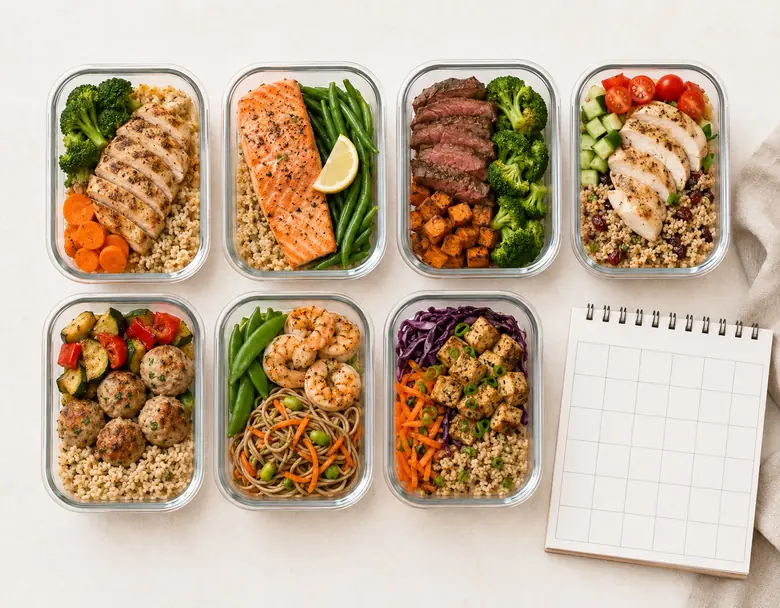
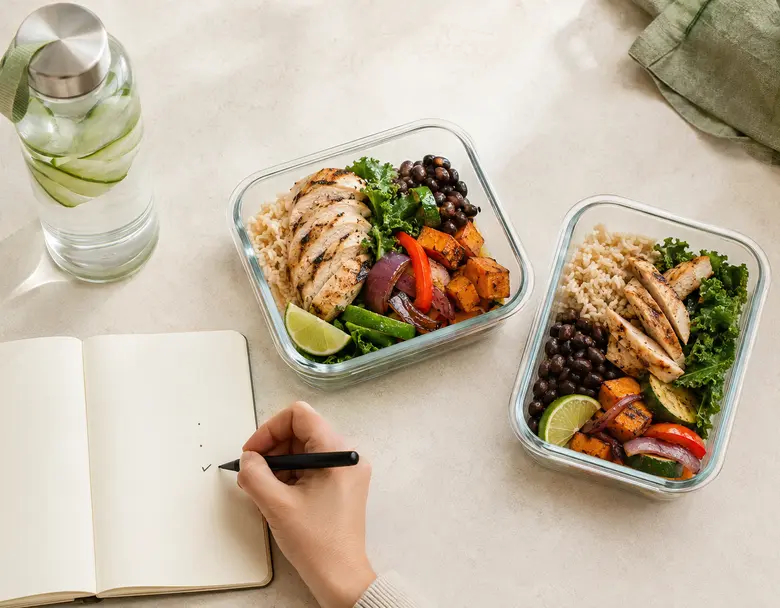
A 7-day meal plan for intermittent fasting should help you build balanced eating-window meals, not make the fasting window more extreme. During the ea...

If you drink apple cider vinegar while intermittent fasting, the safest timing is usually during the eating window, diluted in water and taken with or...
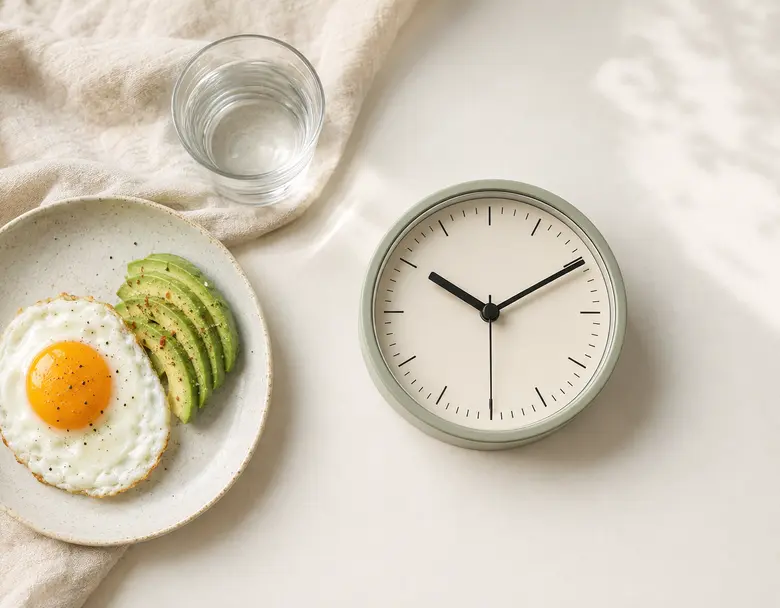
A beginner intermittent fasting schedule should be simple, repeatable, and not overly restrictive. For most beginners, 12:12 or 14:10 is a more practi...