








Intermittent Fasting: A Complete Guide to Schedules, Food, and Safety
Intermittent fasting is an eating pattern that alternates between periods of eating and periods without food. It focuses mainly on when you eat, but t...
Evidence-based guides, plans, and answers — reviewed by registered dietitians.


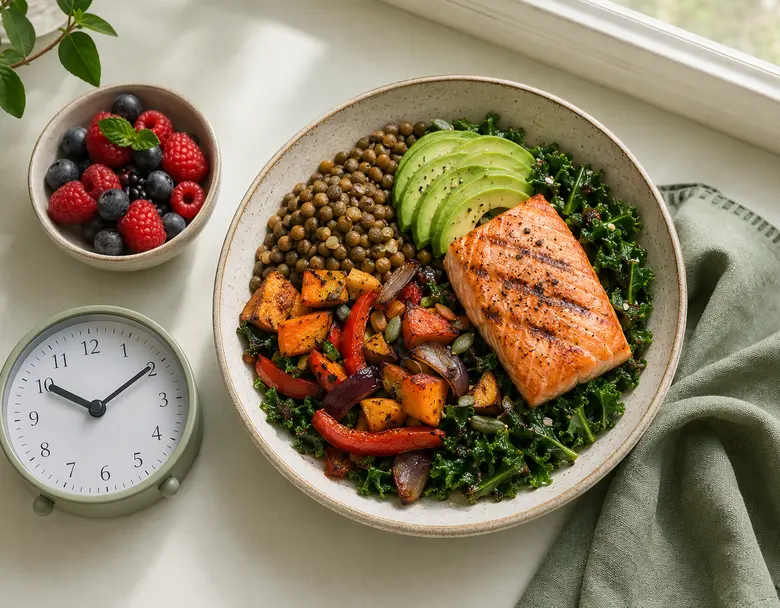



Intermittent fasting may support weight loss when it helps you reduce unplanned eating and maintain a calorie pattern you can repeat. It is not a shor...
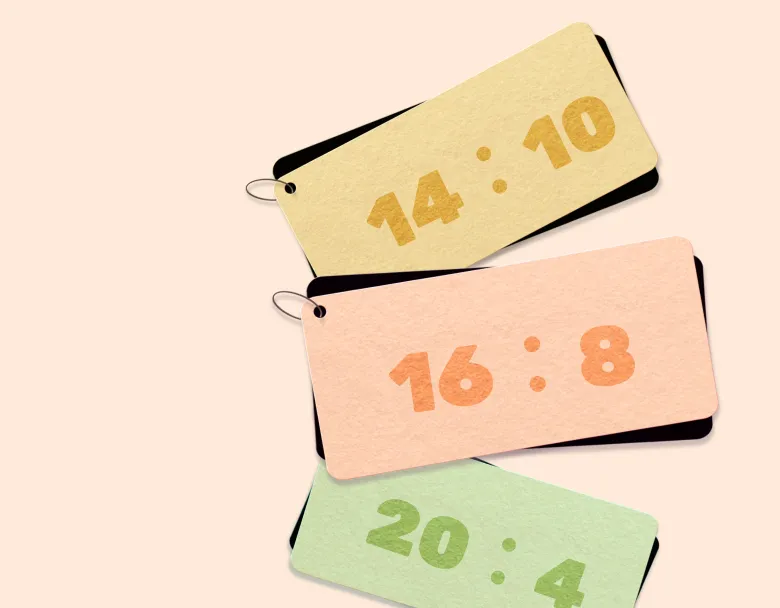
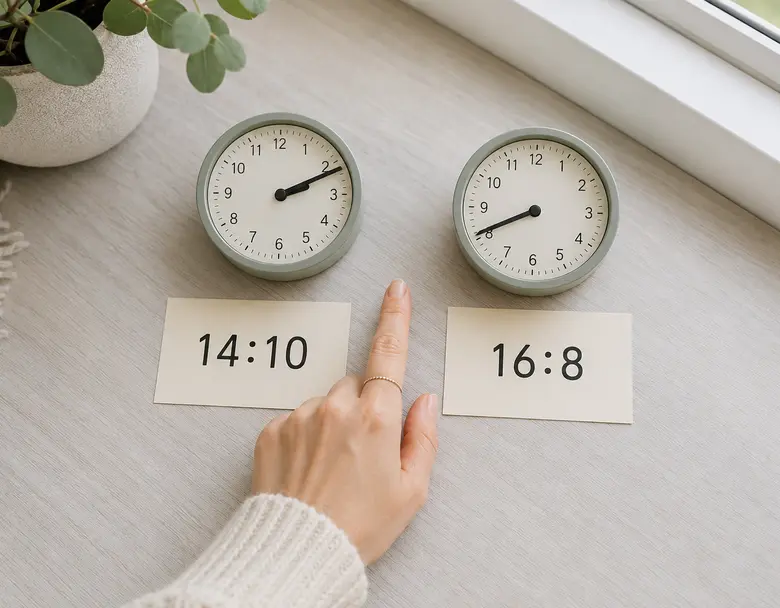
There is no single intermittent fasting schedule that is right for all women. If fasting is appropriate, a 12:12 or 14:10 pattern is a more cautious s...

Intermittent fasting does not automatically cause muscle loss, but a calorie deficit, inadequate protein, insufficient resistance training, rapid weig...

Intermittent fasting is not one-size-fits-all for women. Menstrual patterns, fertility goals, pregnancy, breastfeeding, perimenopause, menopause, medi...

Mild hunger is common when you change your eating schedule, but persistent, intense, or symptomatic hunger is not something to ignore. The practical g...

Intermittent fasting can support sleep for some people when it reduces late-night eating, but it can also make sleep lighter or more difficult when th...
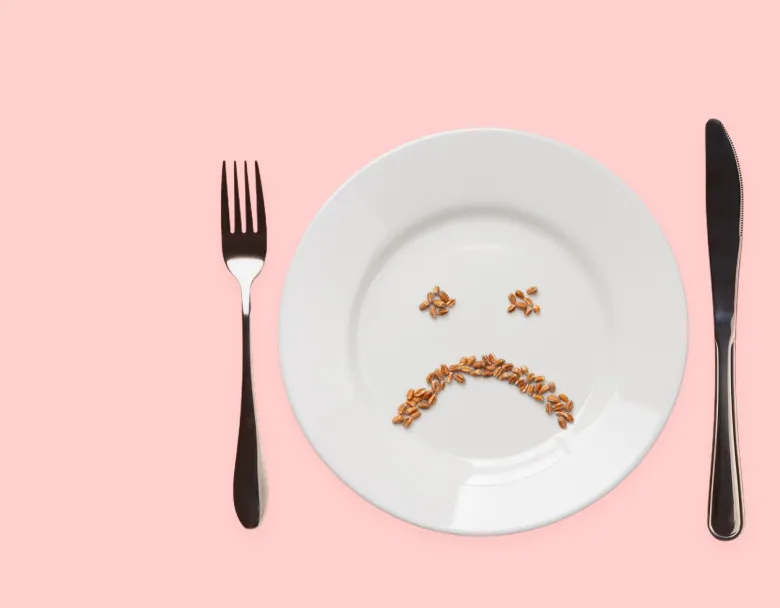
Stop intermittent fasting immediately if you feel faint, confused, severely weak, unable to function normally, or unsafe. Chest pain, trouble breathin...
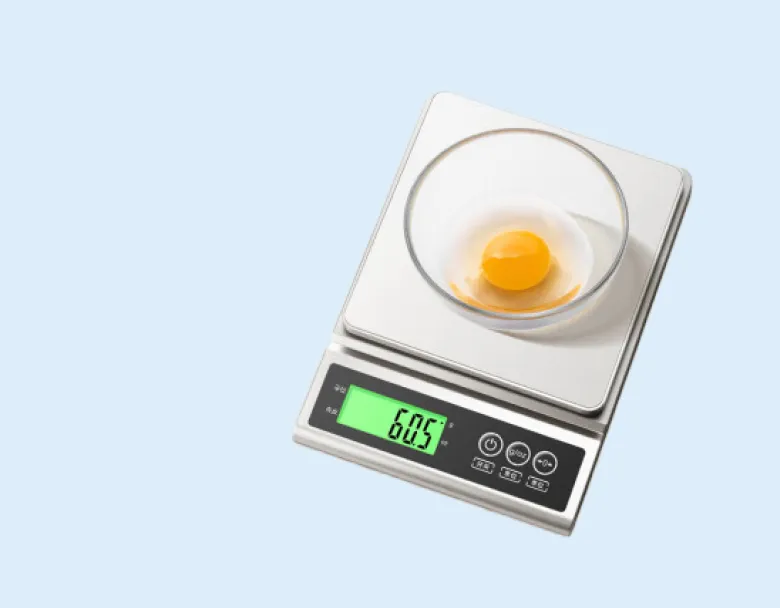
For most healthy adults, the basic protein reference point is about 0.8 grams per kilogram of body weight per day. People who exercise regularly, are...

After a typical 12- to 16-hour intermittent fast, most healthy adults do not need a special refeeding ritual. A normal-sized, balanced meal eaten calm...
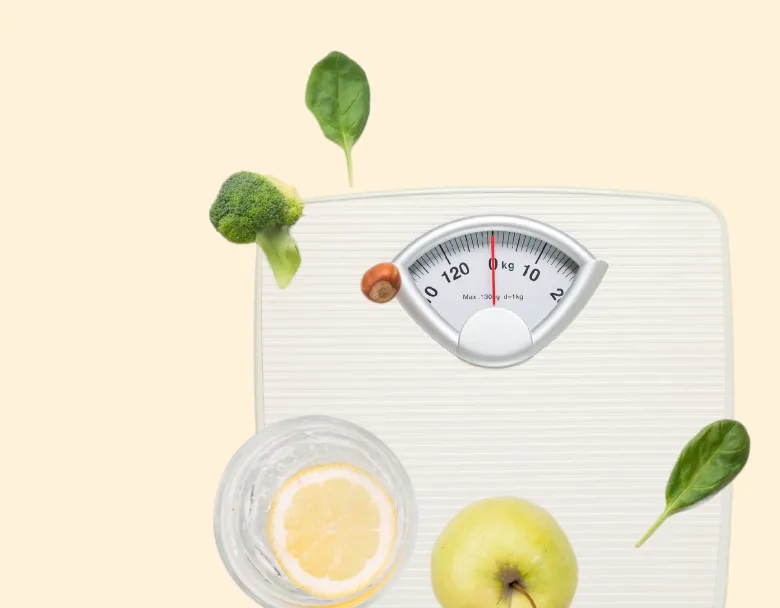
Intermittent fasting changes when you eat, but it does not guarantee a faster or slower metabolism. During a fasting window, the body can shift which...