




Intermittent Fasting: A Complete Guide to Schedules, Food, and Safety
Intermittent fasting is an eating pattern that alternates between periods of eating and periods without food. It focuses mainly on when you eat, but t...
Evidence-based guides, plans, and answers — reviewed by registered dietitians.

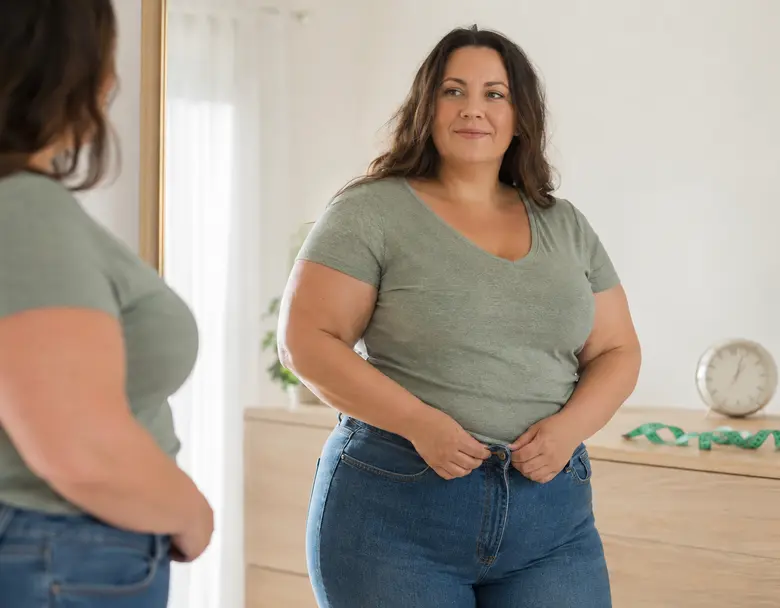
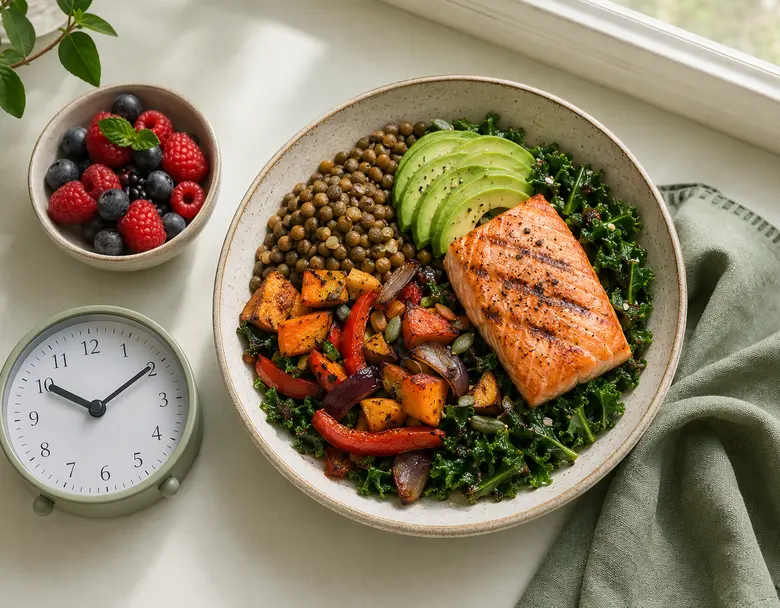



Intermittent fasting for women over 40 or 50 should be cautious and individualized. Perimenopause and menopause can affect periods, sleep, mood, hot f...
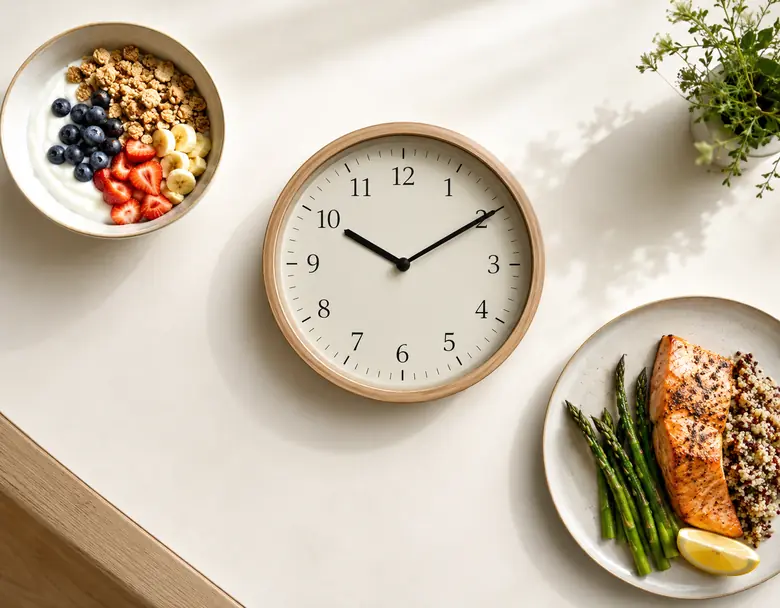
The best intermittent fasting schedule is not the longest one. It is the eating and fasting window you can repeat while still eating balanced meals, s...
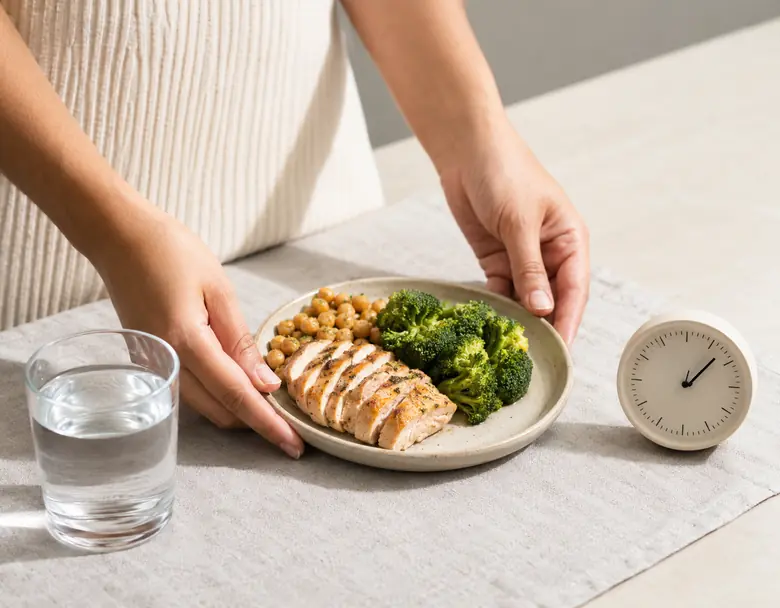
To start intermittent fasting, choose a short fasting window you can repeat, keep fasting-window drinks simple, eat balanced meals, and adjust gradual...
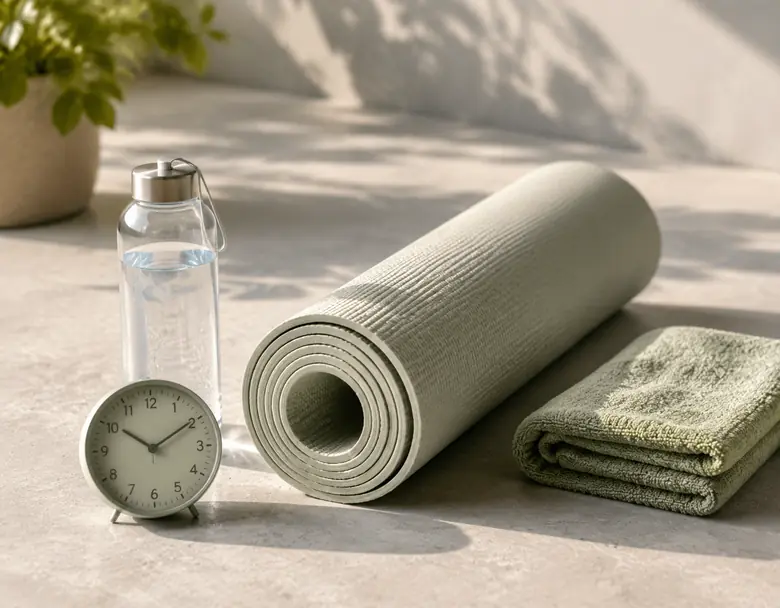
Intermittent fasting and exercise can coexist, but the fasting window should not dictate training at the expense of performance, hydration, recovery,...
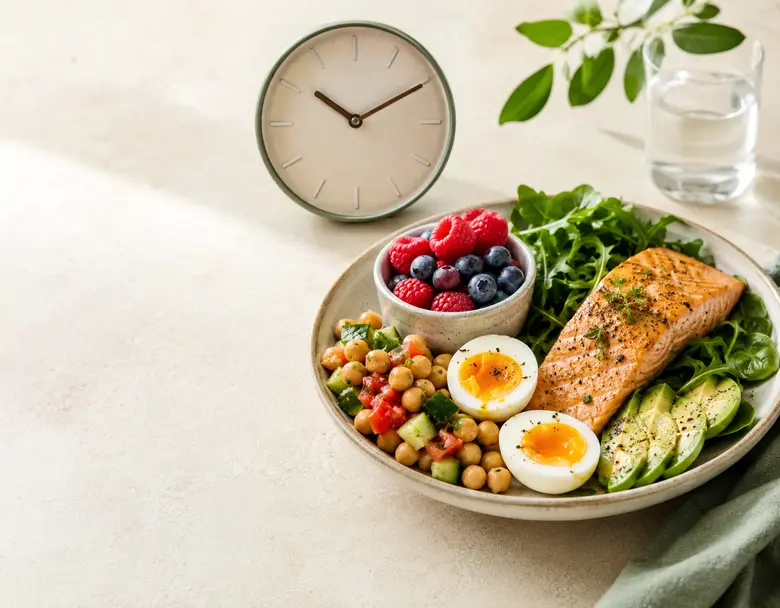
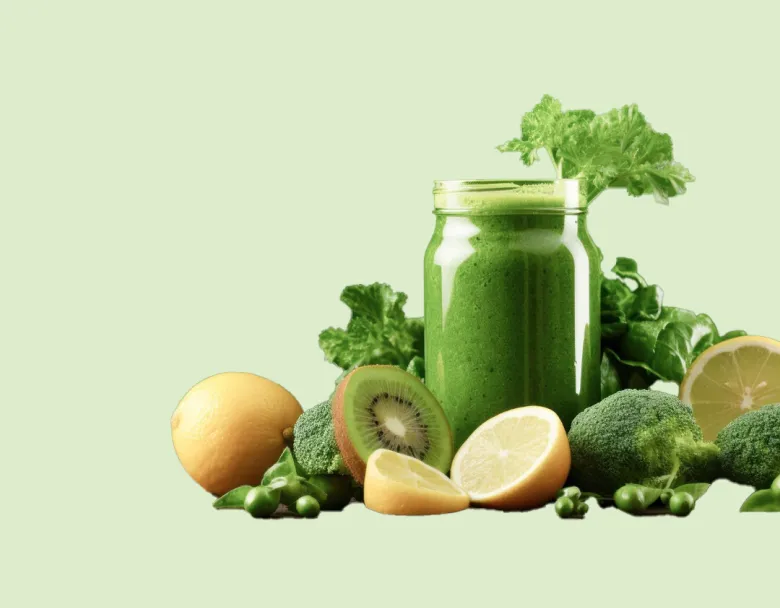
Intermittent fasting is mainly about meal timing, but what you eat during the eating window still affects fullness, energy, recovery, and how manageab...
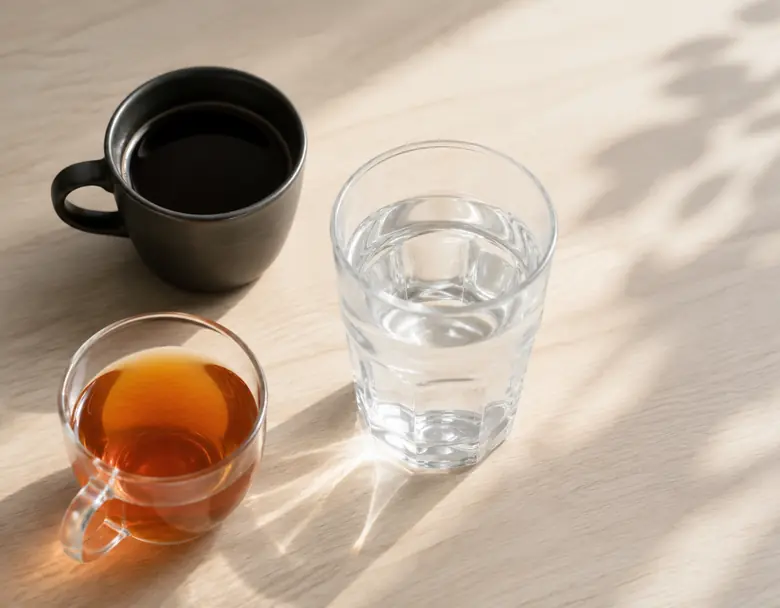
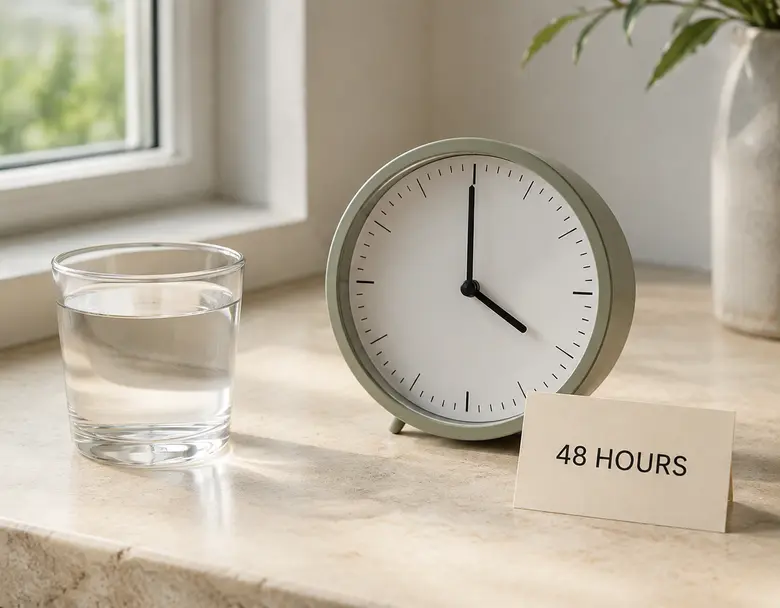
During a clean fasting window, the simplest choices are calorie-free drinks. Food, milk, cream, juice, alcohol, protein drinks, and other calorie-cont...
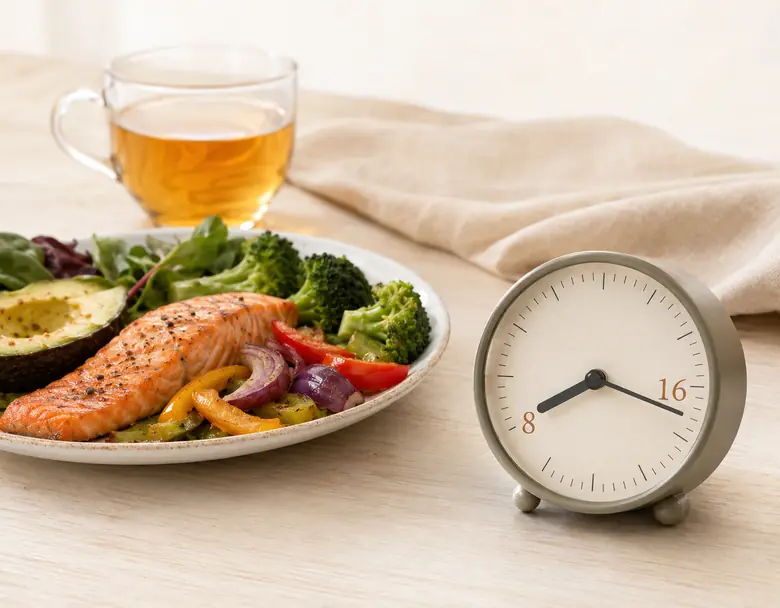
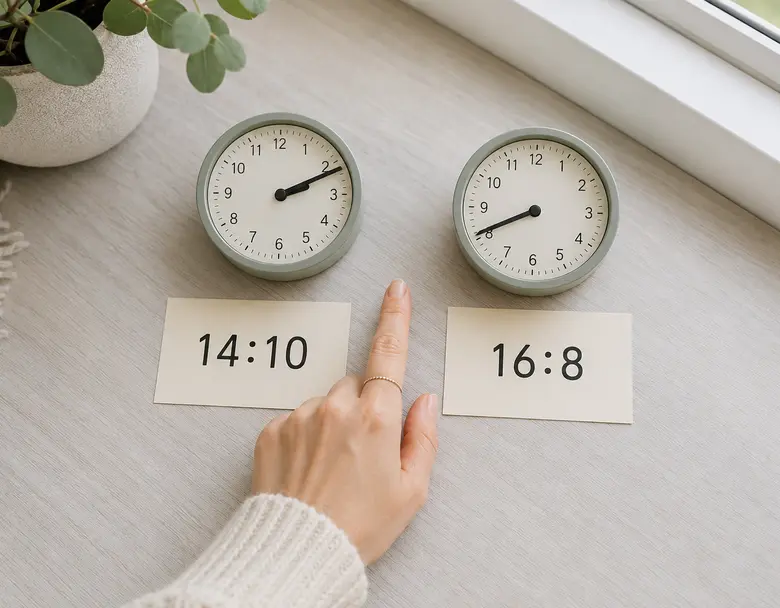
16:8 intermittent fasting means going 16 hours without calorie-containing food or drinks and eating within an 8-hour window each day. A common example...
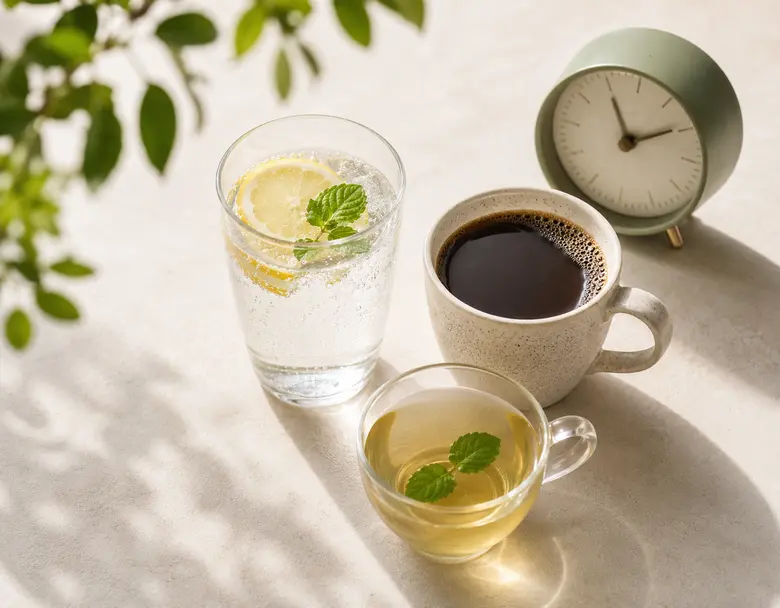
During a clean intermittent-fasting window, the clearest drink choices are plain water, unsweetened sparkling water, black coffee, and unsweetened tea...
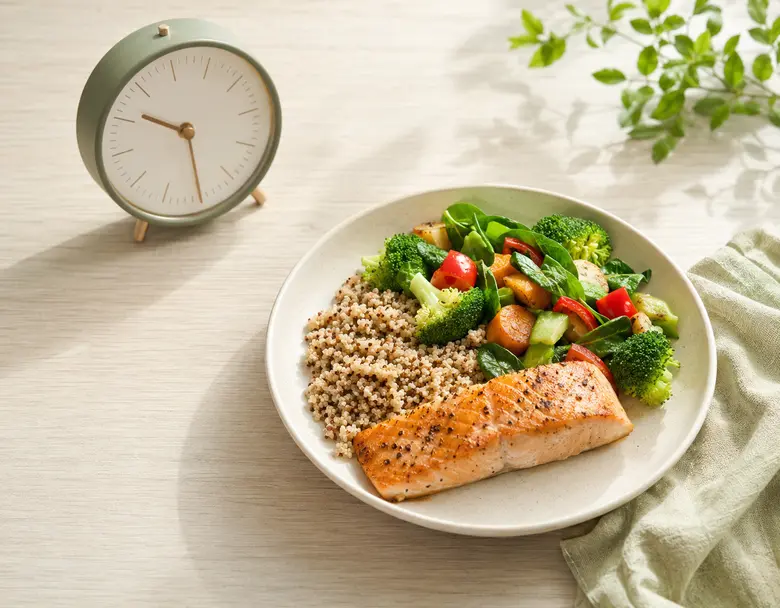
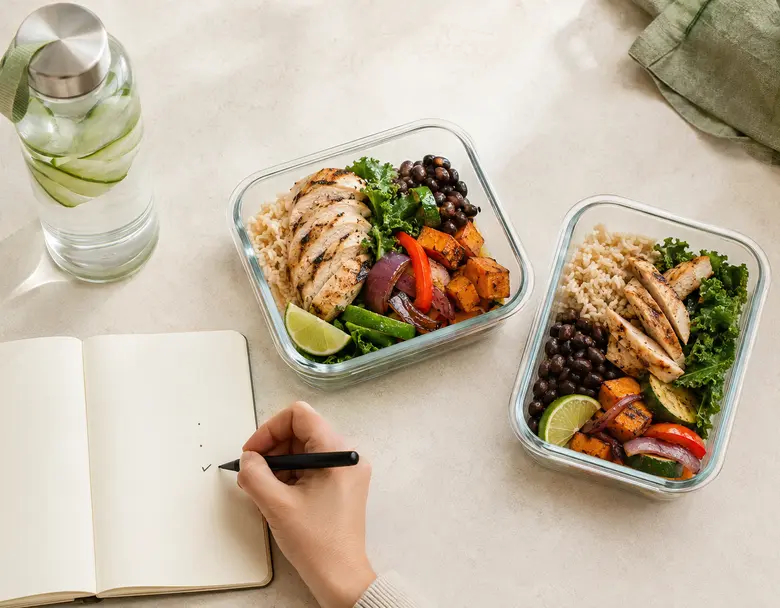
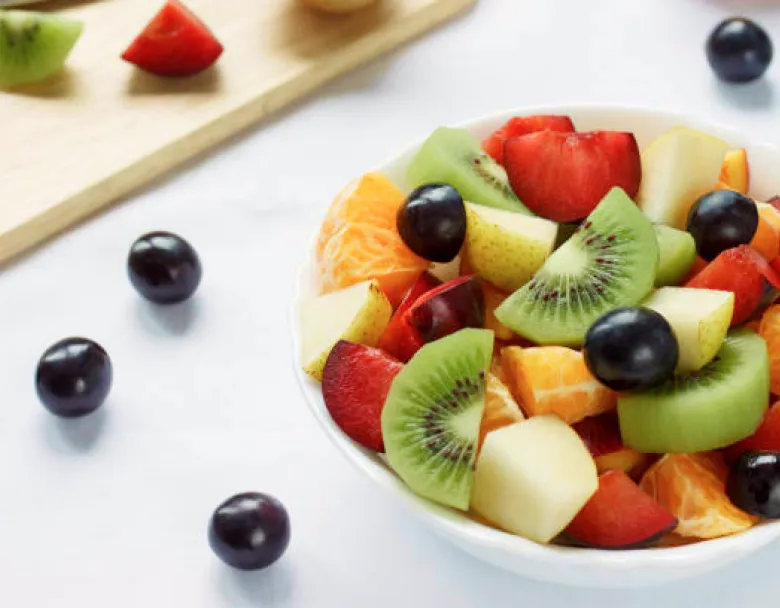
Intermittent fasting changes when you eat; it does not remove the need for balanced meals. A useful eating-window plan combines protein foods, vegetab...
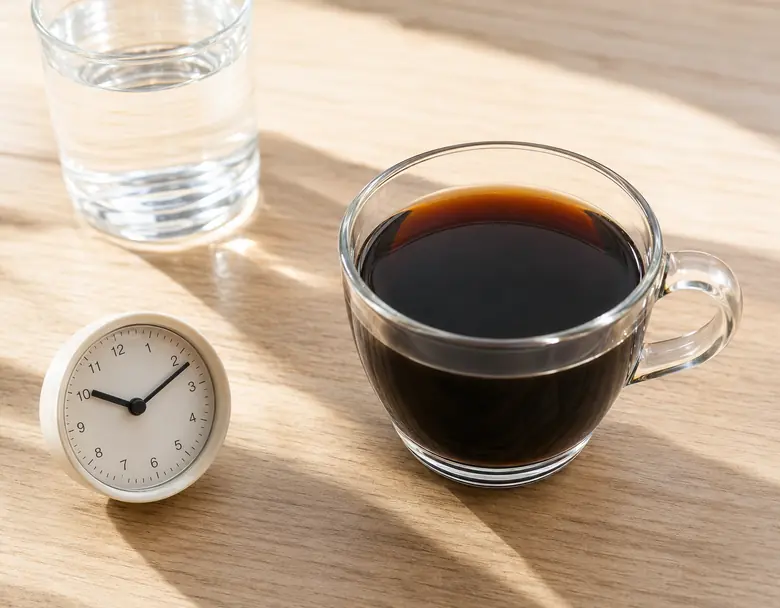
Yes. Plain black coffee can fit many intermittent fasting routines because it contains very little energy and no meaningful amount of carbohydrate, pr...