










Intermittent Fasting: A Complete Guide to Schedules, Food, and Safety
Intermittent fasting is an eating pattern that alternates between periods of eating and periods without food. It focuses mainly on when you eat, but t...
Evidence-based guides, plans, and answers — reviewed by registered dietitians.






For many beginners, the best hours for intermittent fasting are not the longest hours. A 12:12 or 14:10 schedule is often a more practical starting po...

To do intermittent fasting properly, start with a realistic fasting window, eat balanced meals during your eating window, keep fasting-window drinks s...

Autophagy is a normal cellular cleanup process. Fasting is often discussed as a possible trigger for autophagy, but human evidence does not support tr...

Intermittent fasting may lower blood pressure for some people in some studies, especially when it supports weight loss or healthier eating patterns, b...
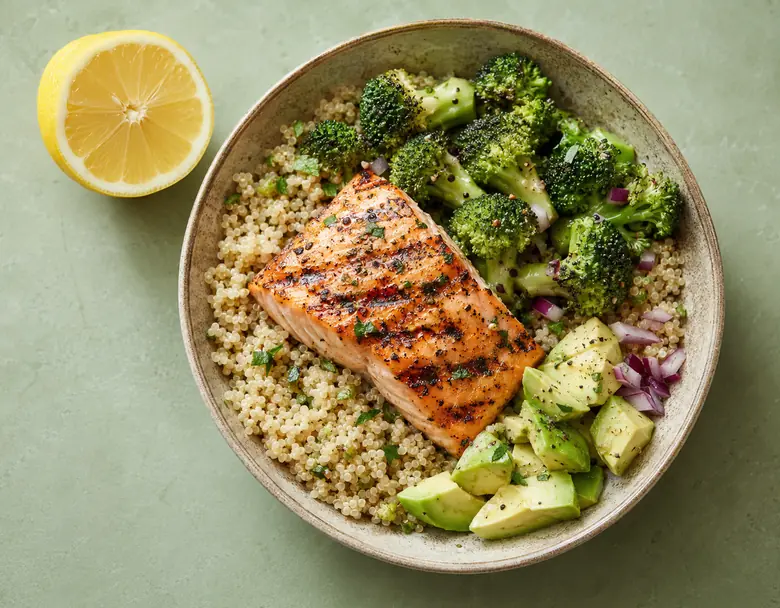
Intermittent fasting may help some people with fatty liver indirectly if it supports weight loss, better eating habits, and a routine they can maintai...

Intermittent fasting can change digestion because it changes meal timing, meal size, fluid intake, fiber intake, coffee use, and the way you break a f...

Intermittent fasting should not be treated as a heart-disease treatment or proven heart-disease prevention. Evidence is uncertain about whether interm...

Intermittent fasting may support fat loss when it helps you reduce overall eating opportunities and maintain a realistic calorie pattern. It does not...

Intermittent fasting for men is not a separate biological rulebook. Most men should choose a fasting schedule based on health history, medications, tr...

Intermittent fasting for seniors should be cautious and individualized. Age alone does not decide the plan; medications, medical conditions, underweig...