










Intermittent Fasting: A Complete Guide to Schedules, Food, and Safety
Intermittent fasting is an eating pattern that alternates between periods of eating and periods without food. It focuses mainly on when you eat, but t...
Evidence-based guides, plans, and answers — reviewed by registered dietitians.






Intermittent fasting headaches can happen for several reasons, including dehydration, caffeine changes, eating too little during the eating window, a...

Intermittent fasting meal ideas should make the eating window easier to use well. Build meals around protein foods, vegetables, fruit, whole grains or...

Most intermittent fasting routines do not require special supplements. The basics matter more: enough fluids, balanced meals during the eating window,...

The most useful intermittent fasting tips for beginners are simple: start with a gentle schedule, keep fasting-window drinks plain, eat balanced meals...
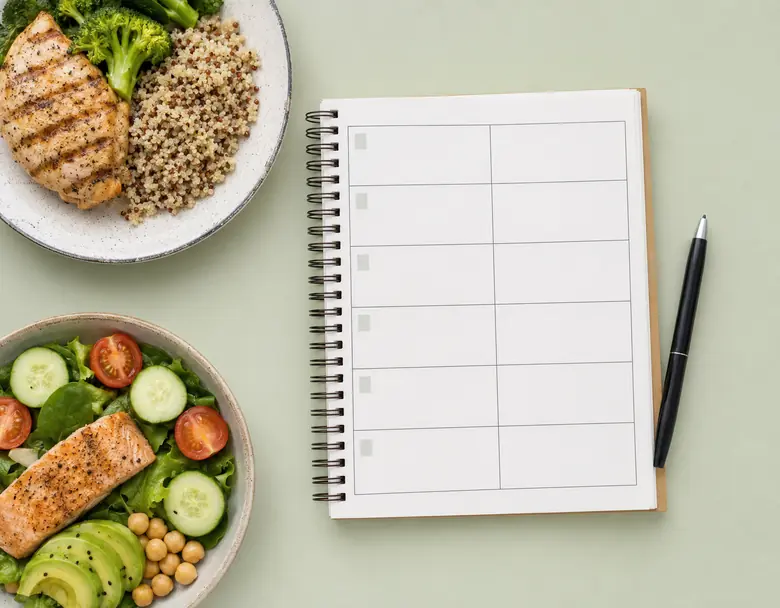
An intermittent fasting weight loss plan can help some people reduce eating opportunities and build a more consistent routine, but it does not guarant...

OMAD means “one meal a day.” It is a very restrictive form of intermittent fasting, not a default beginner plan. Some people like its simplicity, but...

If a supplement contains calories, protein, fat, carbohydrates, sugar, or collagen, place it in your eating window for a clean fast. That means collag...

A healthy diet for intermittent fasting does not have to be extreme. For most people, the safer default is a balanced eating window with protein foods...

Intermittent fasting mainly changes meal timing. Your body goes through longer stretches without food, then receives food during a defined eating wind...

Intermittent fasting means alternating periods of eating with periods of fasting. It changes when you eat, not automatically what you eat. Common exam...