







Intermittent Fasting: A Complete Guide to Schedules, Food, and Safety
Intermittent fasting is an eating pattern that alternates between periods of eating and periods without food. It focuses mainly on when you eat, but t...
Evidence-based guides, plans, and answers — reviewed by registered dietitians.





Intermittent fasting is not bad for everyone, but it can be a poor fit for some people. The main risks come from skipped meals, overly long fasting wi...

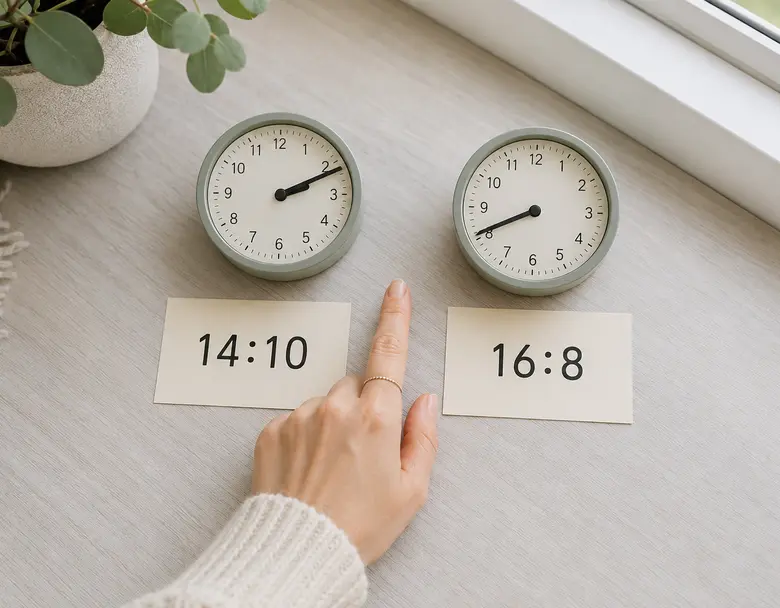
14/10 intermittent fasting means fasting for 14 hours and eating within a 10-hour window. It is often a manageable step between a basic overnight fast...

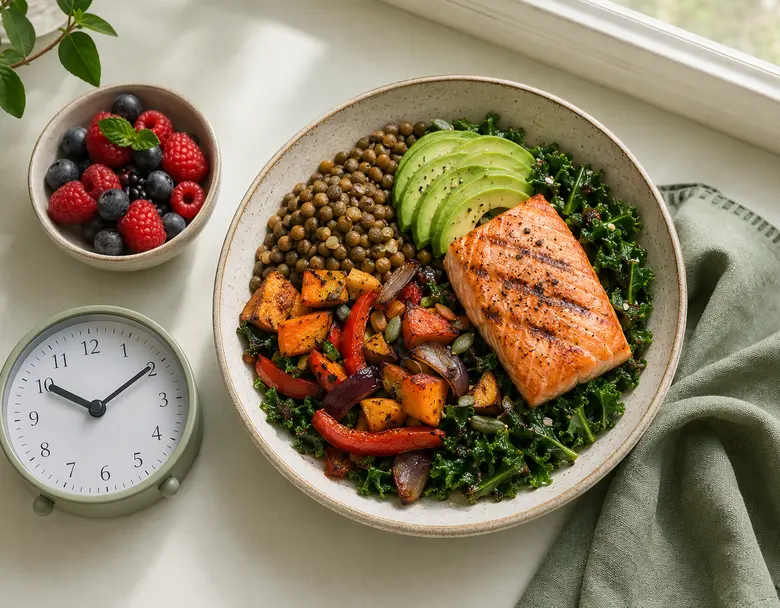
To start intermittent fasting, begin with a short overnight fast, keep fasting-window drinks simple, eat balanced meals during your eating window, and...
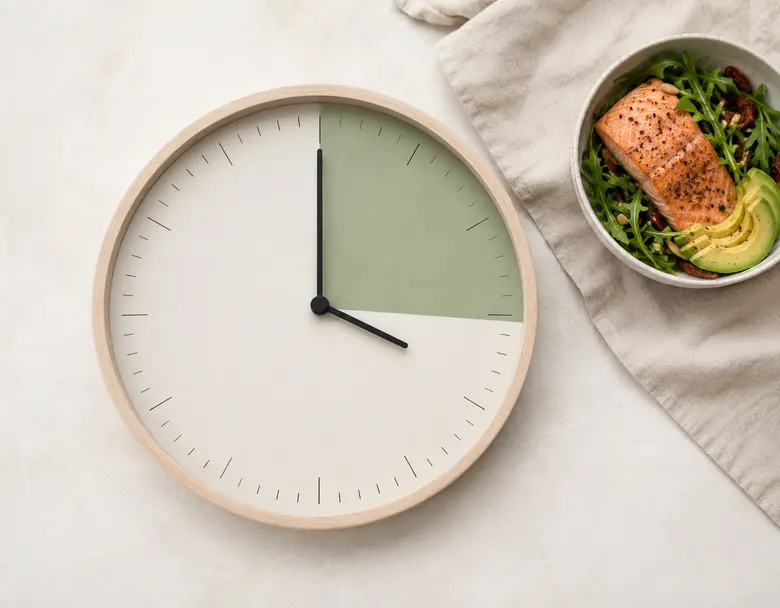
20/4 intermittent fasting means fasting for 20 hours and eating during a 4-hour window. For example, you might eat between 2 p.m. and 6 p.m., then fas...

Intermittent fasting is an eating pattern that alternates between periods of eating and fasting. The core rule is simple: choose a fasting window, cho...

Intermittent fasting can be a reasonable eating structure for some adults, but it is not automatically healthy for everyone. It may help some people r...

The main types of intermittent fasting include daily time-restricted eating, such as 12:12, 14:10, and 16:8; weekly approaches, such as 5:2; alternate...

Intermittent fasting during perimenopause or menopause should be approached cautiously. Perimenopause and menopause can already involve changes in per...
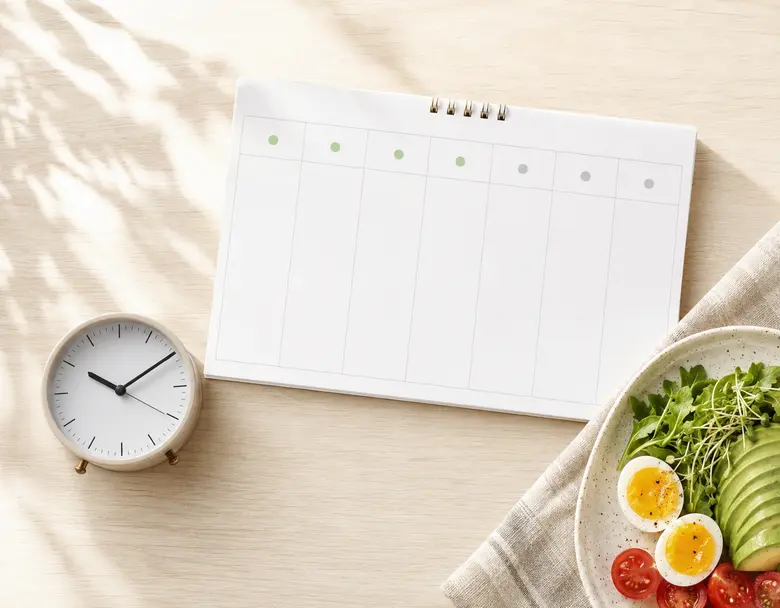
4:3 intermittent fasting usually means eating in a more typical pattern on four days of the week and using three lower-intake or fasting days. The thr...

Calories usually break a clean intermittent fast. Water, black coffee, and unsweetened tea are the simplest fasting-window choices, while foods, sweet...