





Intermittent Fasting: A Complete Guide to Schedules, Food, and Safety
Intermittent fasting is an eating pattern that alternates between periods of eating and periods without food. It focuses mainly on when you eat, but t...
Evidence-based guides, plans, and answers — reviewed by registered dietitians.




Intermittent fasting does not automatically cause gallbladder problems, but gallbladder health deserves caution when fasting leads to long periods wit...

There is no single "best" intermittent fasting plan for Hashimoto's or hypothyroidism. If you have thyroid disease or take thyroid medicine, the bette...

Intermittent fasting may help some women create a simpler eating structure, reduce eating opportunities, and support weight-management habits. But the...
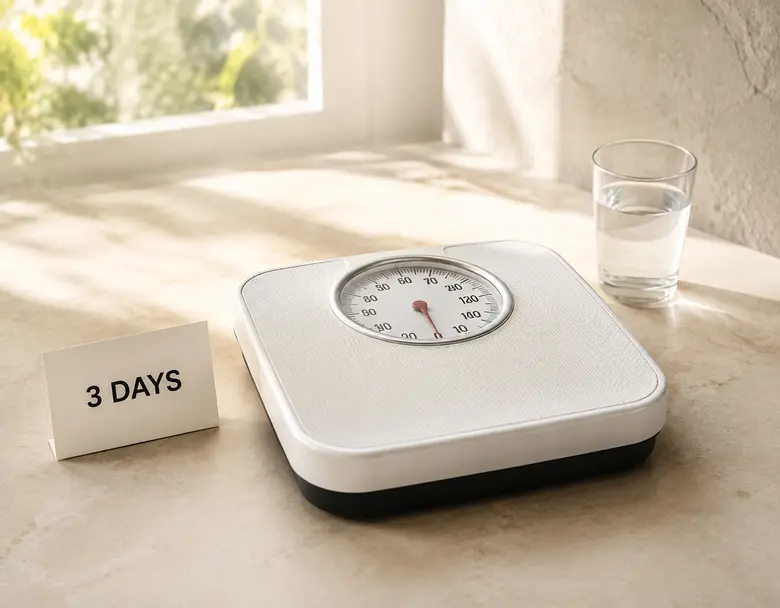
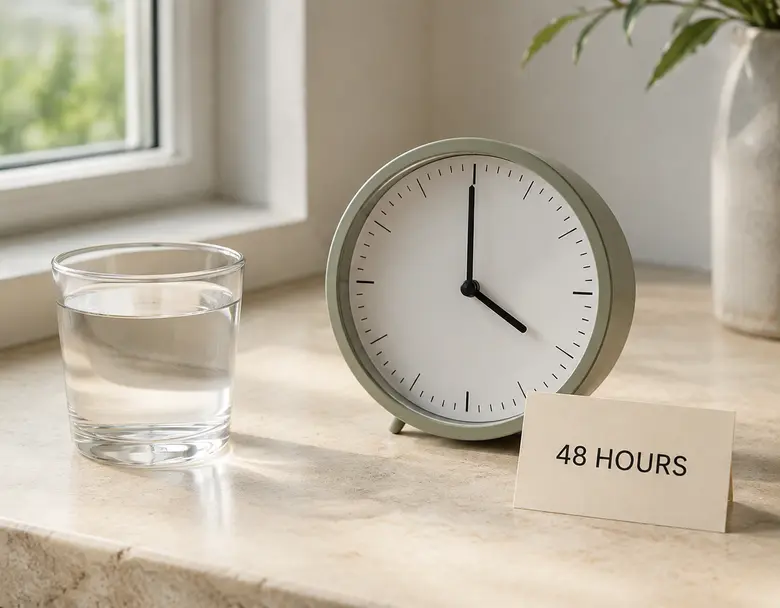
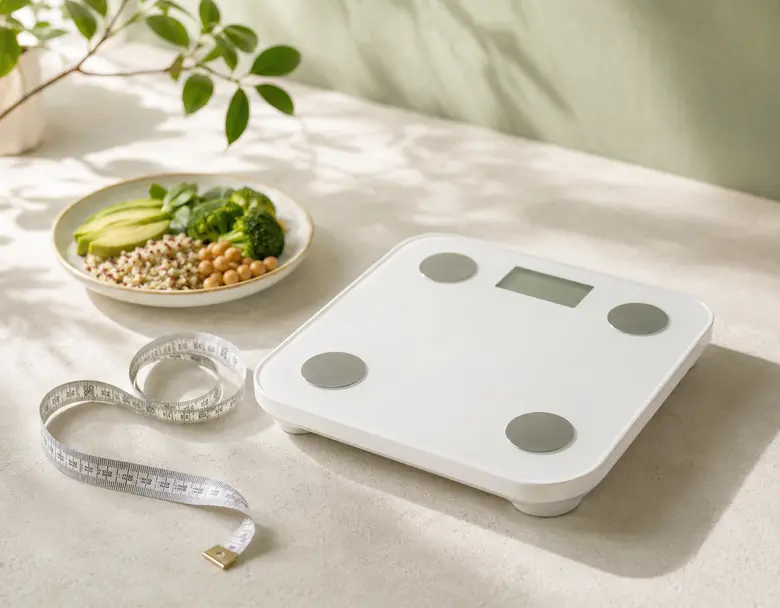
A 3-day fast can make the scale drop quickly, but that number is not the same as fat loss. Some of the change can come from less food in your digestiv...
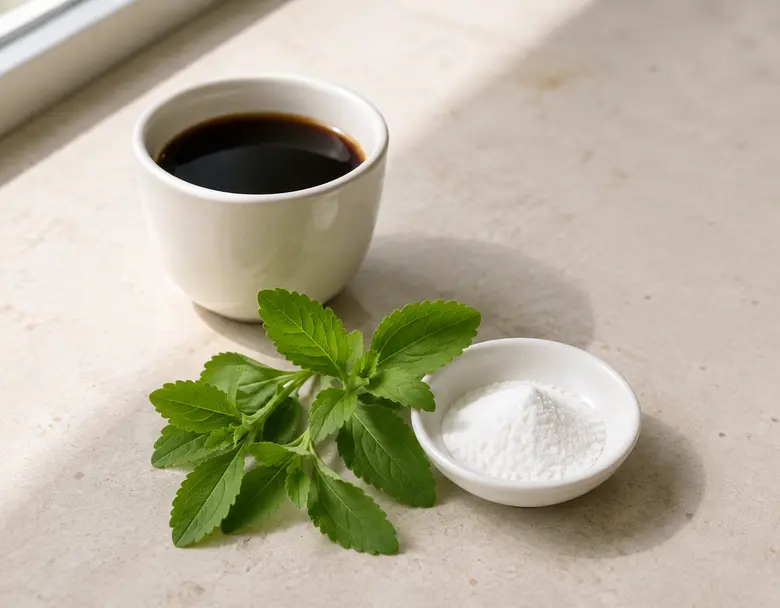
Stevia usually does not add meaningful calories when used as a high-intensity sweetener, so many people treat it as unlikely to break a calorie-focuse...

A fasting challenge can help you practice consistency, but the challenge should be about building a repeatable routine, not proving how long you can g...
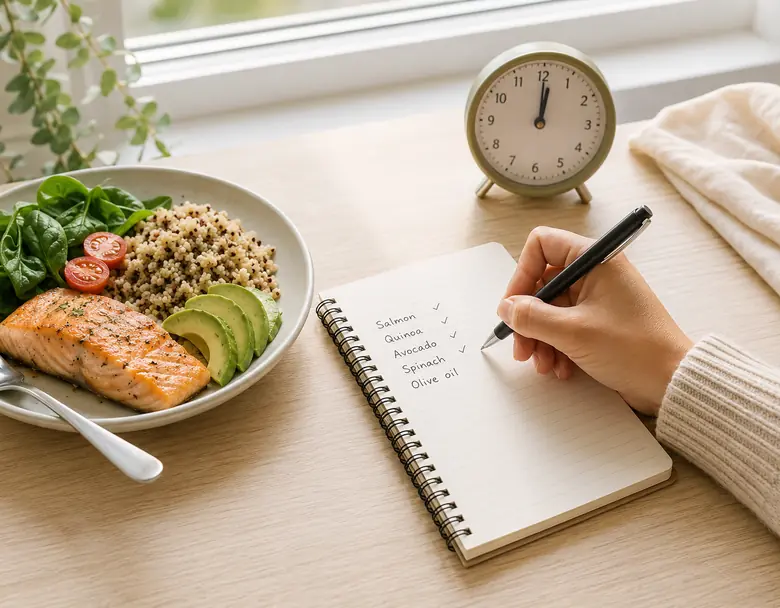
Food logging can make intermittent fasting more useful when it answers practical questions: Are you eating enough? Are meals balanced? Is hunger relat...

A true weight-loss plateau is a stable trend over several weeks, not a one- to three-day increase. If progress has slowed, first review the eating win...

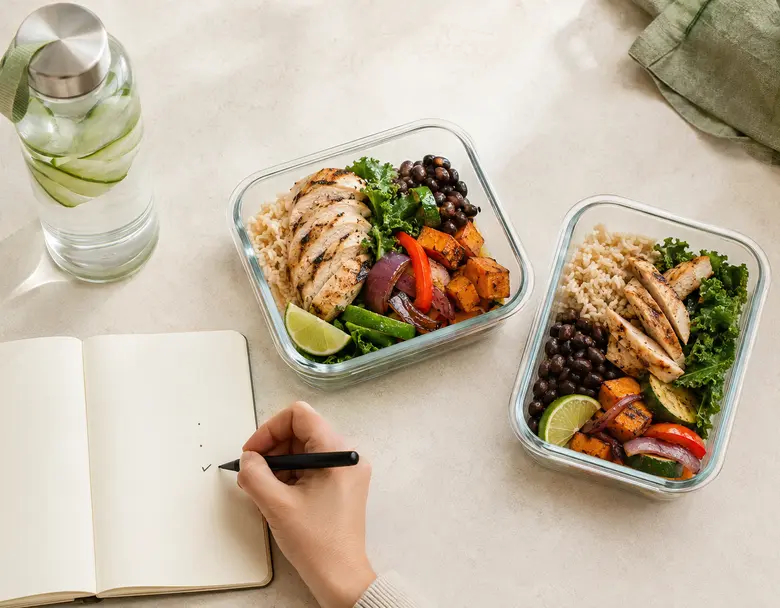
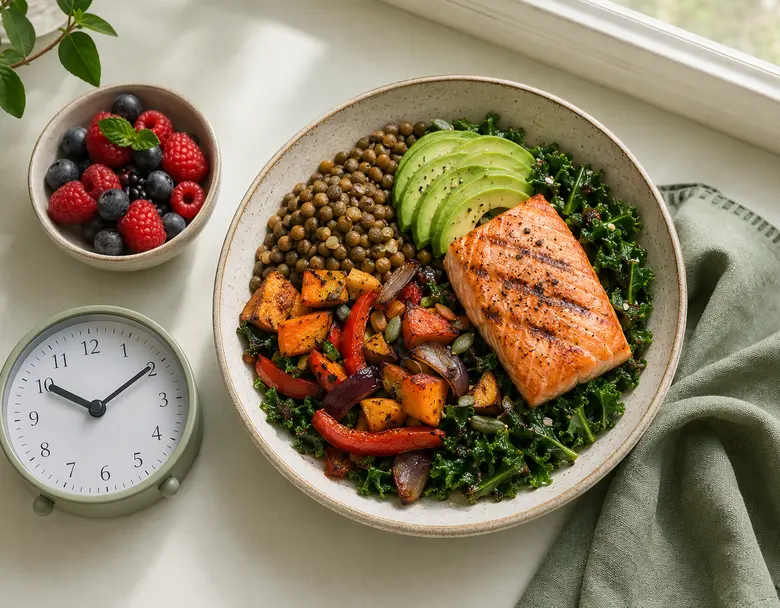
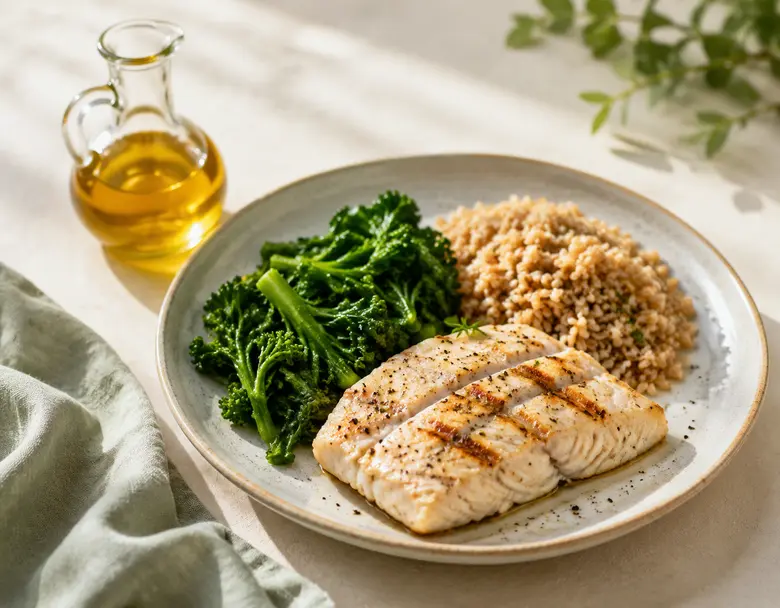
Meal prep can make intermittent fasting easier by reducing decisions when you are hungry and protecting the eating window from last-minute takeout or...

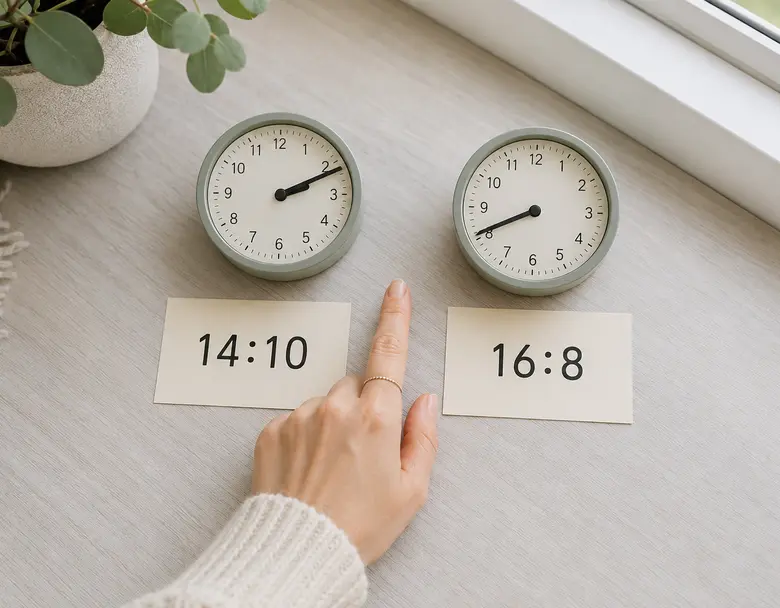
There is no single best time of day for everyone to eat or fast. The most useful schedule is one you can repeat, that fits your sleep and social routi...